

 Preview
 Send
Send Share
Share
 Details

 Download
 Similars
 X-Ray
X-Ray Diaporama
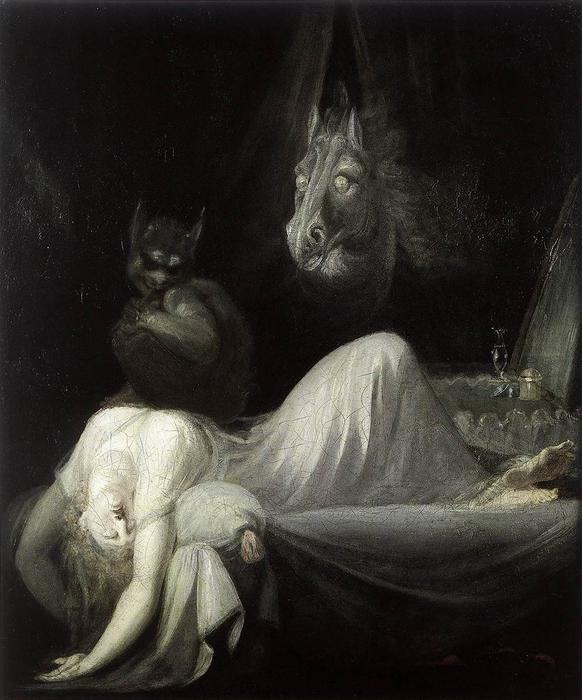
The Nightmare
 Oil On Canvas
- WallArt
- Gothic Romanticism
 1790
1790- 19th Century
 77.0 x 64.0 cm
 Goethe-Museum
 Read More
Purchase a high-resolution, enhanced digital image, far superior to the online preview.
Each file is meticulously prepared by our in-house specialists using advanced tools and expert manual retouching. We ensure every image has exceptional clarity, precise color accuracy, and fine detail.
The final file is delivered via email within 72 hours, optimized for immediate use in professional, editorial, and print environments. This is the same quality trusted by top-tier design studios, publishers, and galleries.
Digital Image
Download a high-resolution file for personal display, printing, and creative projects. ( Buy Print Buy Hand Made Painting)
Included in Every Digital Image Order
Expert Digital Delivery, Guaranteed
When you choose ArtsDot.com, you're not just getting an image - you're receiving a professionally enhanced digital artwork, crafted with precision and backed by a satisfaction guarantee. Here's everything that comes with your order, automatically:

Fast Email Delivery
Your high-resolution digital image file will be emailed to you within 72 hours of ordering - ready for immediate use.

AI-Enhanced Digital File
Your artwork is professionally optimized using advanced AI tools and manual editing, ensuring maximum detail, clarity, and color accuracy.

Free Lifetime Re-Delivery
Accidentally deleted or lost your file? No worries - we'll resend it to you anytime, free of charge.

No Import Fees - Ever
Enjoy your artwork instantly with zero customs, duties, or delivery fees - digital downloads are always tax-free.

Color Accuracy Guarantee
We ensure your digital image reflects the original colors as closely as possible using professional tools and color management.

60-Day Satisfaction Guarantee
If you're not satisfied with your digital image, we'll revise it or refund 100% within 60 days - no questions asked.

100% Money-Back Guarantee
Not satisfied? Get a full refund within 60 days of receiving your digital file - no questions asked.

Bulk Order Discounts
Buy 3 images, save 10% - Buy 5, save 15% - Buy 10+, save 20%. Great for creative projects, galleries, and agencies.
Collectible Description
Henry Fuseli’s ‘The Nightmare’: A Descent into the Subconscious
Henry Fuseli's "The Nightmare," completed in 1790, remains one of the most arresting and unsettling images in art history. More than just a depiction of a sleeping woman, it is a profound exploration of the subconscious, a gateway to anxieties and hidden desires rendered with masterful Romantic sensibility. The painting’s enduring power lies not only in its dramatic composition but also in its ability to tap into universal fears – those lurking within our own dreams and shadowed by the potential for darkness within humanity.
The scene itself is deceptively simple: a woman, seemingly lost in slumber, lies prone on a bed. Yet, surrounding her are elements that immediately evoke unease. A horse’s head, grotesquely large and hanging over the edge of the bed, dominates the upper portion of the canvas, its presence simultaneously menacing and suggestive. Below, a sleek black cat sits calmly, an emblem of indifference or perhaps a harbinger of impending doom. And on the right, a diminutive gnome-like figure observes the scene with unsettling intensity – often interpreted as Fuseli himself, intruding upon this private nightmare.
A Symphony of Shadow and Light: Technique and Style
Fuseli’s technical skill is immediately apparent in his use of chiaroscuro, the dramatic contrast between light and dark. The pale skin of the woman is illuminated by a single, unseen source, casting the rest of the scene into deep shadow. This technique isn't merely stylistic; it actively contributes to the painting’s emotional impact, isolating the figure and amplifying her vulnerability. He employed oil paints on canvas, layering thin glazes to achieve a luminous effect while utilizing bold brushstrokes to define the forms – particularly the muscular physique of the horse and the angular features of the gnome.
The overall style is firmly rooted in the Romantic movement, characterized by an emphasis on emotion, imagination, and the sublime. Fuseli’s work anticipates the darker currents of Gothic horror that would flourish in subsequent decades, yet it possesses a unique sensitivity and psychological depth. The flattened perspective, deliberately eschewing traditional spatial realism, further enhances the dreamlike quality of the scene, transporting the viewer into the unsettling realm of the subconscious.
Symbolism and Interpretation: Unraveling the Dream
“The Nightmare” is rich in symbolic meaning, inviting multiple interpretations. The horse, a recurring motif in Fuseli’s work, has been variously interpreted as representing sexual desire, repressed emotions, or even the destructive forces of nature. The cat, with its enigmatic gaze, embodies indifference and perhaps a lurking presence – a subtle reminder of the dangers that can lie hidden beneath the surface. The gnome figure is particularly intriguing, suggesting the artist's own engagement with the dreamscape, blurring the lines between observer and participant.
Beyond these specific symbols, the painting speaks to broader themes of vulnerability, fear, and the struggle against internal demons. It’s a potent reminder that our dreams are not merely random firings of neurons but reflections of our deepest anxieties and desires. The woman's posture – limp, helpless, and filled with terror – resonates powerfully across time, tapping into a primal human experience.
A Timeless Masterpiece: Historical Context and Legacy
"The Nightmare" was initially met with considerable controversy, its unsettling imagery shocking audiences of the late 18th century. However, it quickly gained recognition as a masterpiece of Romantic art, profoundly influencing subsequent generations of artists and writers. Currently housed in the Goethe-Museum in Frankfurt, Germany, this painting continues to captivate viewers with its haunting beauty and enduring psychological resonance. Its impact can be seen in countless works that followed, solidifying Fuseli’s place as a pioneer of Gothic horror and a master of evoking emotional intensity through art.
Related Artworks
Artist Biography
early life and education
johann heinrich füssli, a swiss painter, draughtsman, and writer on art, was born on february 7, 1741, in zürich, switzerland. he was the second of 18 children to johann caspar füssli, a portrait painter. füssli received a classical education at the collegium carolinum in zürich.artistic career
füssli's artistic career began with his move to london in 1764, where he met sir joshua reynolds, who encouraged him to devote himself to painting. he then spent eight years in italy, studying antique art and the works of titian, caravaggio, and mannerists.supernatural experiences
füssli's paintings often depicted supernatural experiences, such as the nightmare, which showcased his unique style. he also created a series of paintings based on john milton's works, with the intention of forming a milton gallery comparable to boydell's shakespeare gallery.notable works and associations
- titania, bottom and the fairies, a painting showcasing füssli's use of fairy-tale scenes from shakespeare as motifs.
- association with the royal academy, where he held the posts of professor of painting and keeper.
- influence on younger british artists, including william blake.
museums and collections
füssli's works can be found in various museums, including:- kunsthaus zürich, switzerland, which features a wide range of füssli's paintings, including the nightmare.
- albertina, vienna, austria, which houses füssli's watercolor piece, teiresias foretells the future to odysseus.
legacy
füssli's style had a considerable influence on many younger british artists, and his supernatural themes continue to fascinate art lovers. his legacy can be explored further through his numerous works, which can be found in various museums and collections. recommended reading:- titania, bottom and the fairies by johann heinrich füssli
- henry fuseli - wikipedia
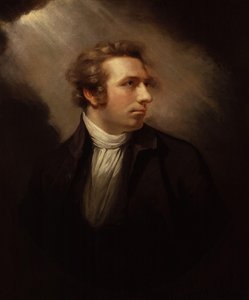
johann heinrich füssli
1741 - 1825 , Switzerland
Quick Facts
- Artistic Movement Or Style: Romanticism, Neoclassicism
- Artists Or Movements Influenced By This Artist: ['William Blake']
- Artists Who Influenced This Artist:
- Titian
- Caravaggio
- Date Of Birth: Feb 7, 1741
- Date Of Death: 1825
- Full Name: Johann Heinrich Füssli
- Nationality: Swiss
- Notable Artworks:
- The Nightmare
- Titania, Bottom & Fairies
- Place Of Birth: Zurich, Switzerland

