 Preview
 Send
Send Share
Share
 Details

 Download
 Similars
 X-Ray
X-Ray Diaporama
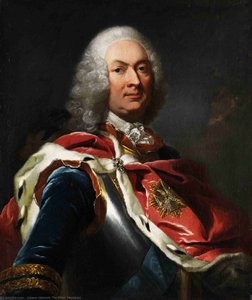
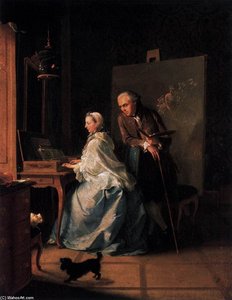
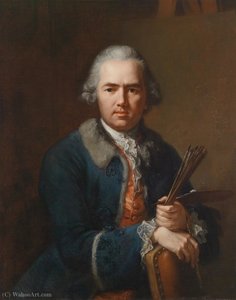
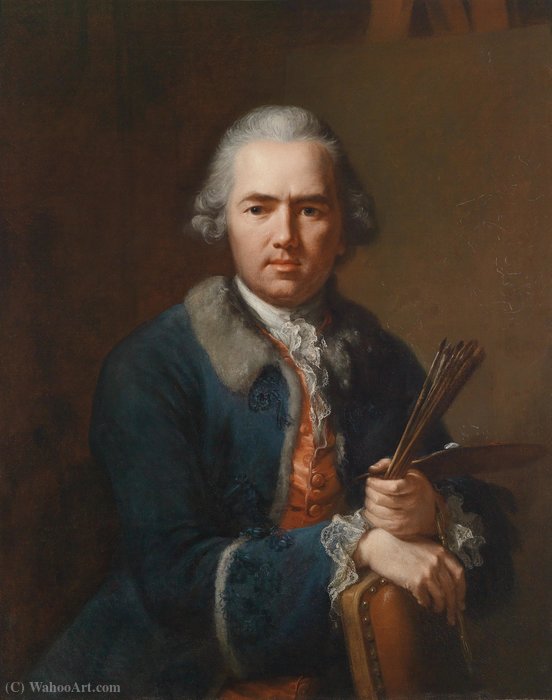
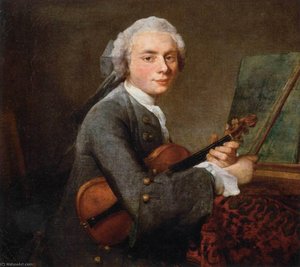
Self portrait
 Read More
Hand Made Oil Reproduction
Hand-painted oil on canvas in your size and frame, made to order by our artists. ( Buy Print Buy Image)




































Pick from our preset sizes that match the artwork's original proportions.

You may enter your own dimensions to fit a specific frame or space. If your selected size does not match the original image's proportions, we will either crop the artwork or extend the painting with additional hand-painted elements. A digital mockup will be sent for your approval before production begins.
Please note that the on-screen preview does not reflect the actual cropping or extension. Only the mockup will accurately show the final composition.
While custom sizes are available, we recommend selecting a dimension from the predefined list to preserve the original proportions.
After order, ArtsDot.com team will email client for instructions and provide a mockup preview
Worldwide Delivery () in 3/4 weeks instead of standard 5 weeks. (17 August). No compromise on quality.

Free Worldwide Express Shipping

High-Quality Linen Canvas

Full Shipping Insurance

Customs Tax Refund Guarantee

True Color Matching Guarantee

60-Day Return Policy (Defects Only)

100% Money-Back Guarantee

Bulk Discount Offer
 Glass option is only available in size under 110 CM

Self portrait
Reproduction Medium
Reproduction Size
-


Total Price
$ 263
Related Artworks
Artist Biography
The Master of the Rococo Gaze: The Life of Johann Heinrich Tischbein the Elder
In the luminous era of the eighteenth century, few names resonated with the elegance and technical precision of Johann Heinrich Tischbein the Elder. Born in 1722 in the quiet German town of Haina, Tischbein emerged from a lineage deeply rooted in the creative arts. While his father, Johann Conrad, worked as a carpenter with an artist's soul, the elder Tischbein would go on to define himself as one of Europe’s most respected painters. His journey was not merely one of personal ambition but a grand odyssey through the great art capitals of the age, moving from the disciplined workshops of Germany to the sophisticated salons of Paris and the dramatic light of Venice.
The foundation of his mastery was laid through an extraordinary education under three distinct masters, each contributing a unique thread to the tapestry of his style. He first studied wallpaper painting and oil techniques with Johann Georg von Freese, a period that instilled in him a profound respect for surface texture and decorative harmony. This was followed by a transformative sojourn to Paris, where he studied under the celebrated Carle van Lood, absorbing the grace of the French Rococo. Finally, his travels took him to Rome and Venice, where the influence of Giovanni Battista Piazzetta introduced him to the dramatic interplay of light and shadow, a technique that would lend a soulful depth to his later portraiture.
A Legacy of Nobility and Narrative
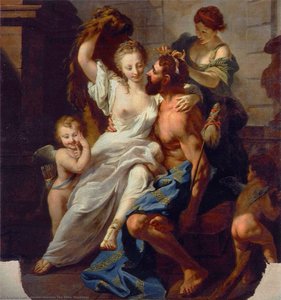
Tischbein’s career was inextricably linked to the heights of European patronage. His appointment as the court painter to William VIII, Landgrave of Hesse-Kassel, marked a pinnacle in his professional life. In this capacity, he did more than simply capture faces; he documented the very essence of the aristocracy. His work often oscillated between the intimate and the epic, ranging from delicate portraits of the nobility to sweeping mythological scenes and historical compositions. These mythological works were particularly notable for their use of high-ranking models, turning the canvas into a stage where classical legends met contemporary prestige.
Beyond the realm of oil on canvas, Tischbein’s intellectual curiosity led him to master the intricate art of engraving. He was not merely a practitioner but a scholar of his craft, authoring the "Kurtzgefaßte Abhandlung über die Ætzkunst" (Brief Treatise on Etching). This publication, accompanied by eighty-four meticulously executed plates, demonstrated his profound understanding of line and tone. Through his etchings, he was able to disseminate his artistic vision far beyond the borders of Kassel, ensuring that his technical innovations reached a much broader European audience.
Historical Significance and Artistic Lineage
The historical importance of Johann Heinrich Tischbein the Elder extends far beyond his individual achievements; he served as the cornerstone of a multi-generational artistic dynasty. His influence acted as a bridge between the decorative flourishes of the Rococo and the burgeoning structured elegance of the late eighteenth century. By maintaining the role of gallery director in Kassel, he helped curate a visual legacy that would inspire his nephews and much of the next generation of German painters.
To reflect on his life is to witness the evolution of an era. His ability to blend the following elements defined his enduring impact:
- Technical Versatility: The seamless transition between the delicate textures of wallpaper painting, the richness of oil portraiture, and the sharp precision of etching.
- Cultural Synthesis: The integration of German discipline, French grace, and Italian dramatic chiaroscuro into a singular, cohesive style.
- Intellectual Contribution: His role as both an artist and an educator through his written treatises on the mechanics of printmaking.
Though time has passed since his death in 1789, the spirit of Tischbein remains etched in the history of European art, a testament to a man who could capture both the fleeting beauty of a moment and the eternal dignity of the human spirit.
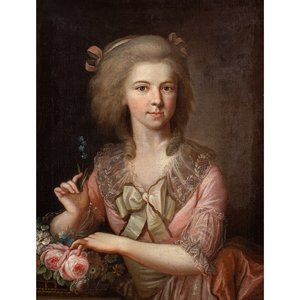
johann heinrich the elder tischbein
1722 - 1789 , Germany
Quick Facts
- Artistic Movement Or Style: Rococo
- Artists Or Movements Influenced By This Artist: ['Goethe']
- Artists Who Influenced This Artist: ['Johann Konrad Tischbein']
- Date Of Birth: October 3, 1722
- Date Of Death: August 22, 1789
- Full Name: Johann Heinrich Tischbein
- Nationality: German
- Notable Artworks:
- Male Nude Study
- Portrait Of The Artist And His Wife At The Spinet
- Mocking Of Anacreon
- Place Of Birth: Haina, Germany