 Preview
 Send
Send Share
Share
 Details

 Download
 Similars
 X-Ray
X-Ray Diaporama
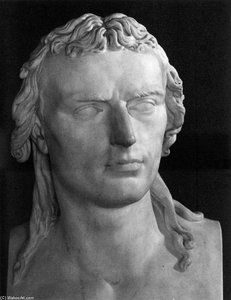
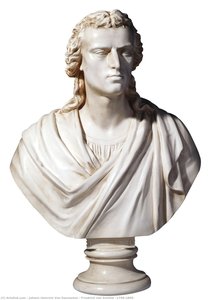
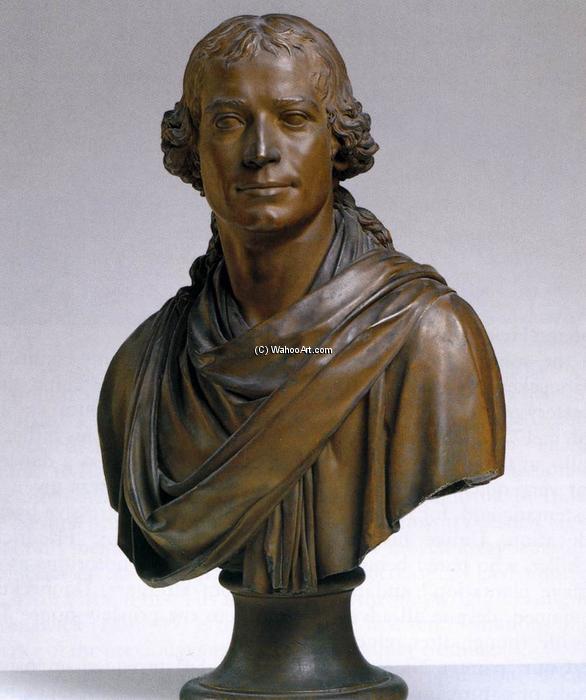
Self-Portrait


 Read More
Hand Made Oil Reproduction
Hand-painted oil on canvas in your size and frame, made to order by our artists. ( Buy Print Buy Image)




































Pick from our preset sizes that match the artwork's original proportions.

You may enter your own dimensions to fit a specific frame or space. If your selected size does not match the original image's proportions, we will either crop the artwork or extend the painting with additional hand-painted elements. A digital mockup will be sent for your approval before production begins.
Please note that the on-screen preview does not reflect the actual cropping or extension. Only the mockup will accurately show the final composition.
While custom sizes are available, we recommend selecting a dimension from the predefined list to preserve the original proportions.
After order, ArtsDot.com team will email client for instructions and provide a mockup preview
Worldwide Delivery () in 3/4 weeks instead of standard 5 weeks. (20 August). No compromise on quality.

Free Worldwide Express Shipping

High-Quality Linen Canvas

Full Shipping Insurance

Customs Tax Refund Guarantee

True Color Matching Guarantee

60-Day Return Policy (Defects Only)

100% Money-Back Guarantee

Bulk Discount Offer
 Glass option is only available in size under 110 CM

Self-Portrait
Reproduction Medium
Reproduction Size
-


Total Price
$ 263
Related Artworks
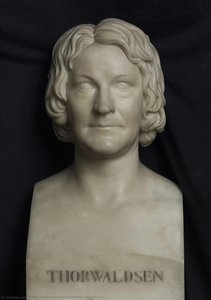
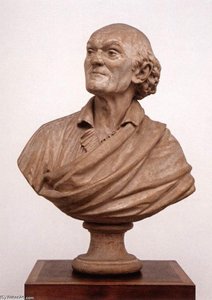
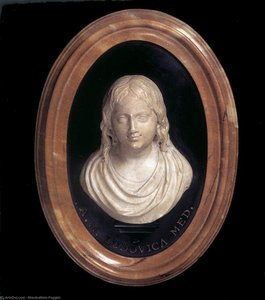
Artist Biography
Early Life and Training
Johann Heinrich von Dannecker was born on October 16, 1758, in Waldemarbach, Germany. He came from a modest background; his father, Georg Dannecker, was a coachman for Charles Alexander, Duke of Württemberg. The family relocated to Ludwigsburg in 1764. Dannecker initially attended military school at the age of thirteen but transitioned to artistic training from 1772 to 1780 alongside Philipp Jakob Scheffauer. His early education included studies under Adam Bauer and, starting in 1775, at the military academy in Stuttgart. A significant moment came when he won a prize at a competition with his model of Milo of Crotona, leading Duke Charles Alexander to appoint him sculptor to the palace in 1780. During this period, Dannecker focused on creating child-angels and caryatids for palace decorations.Travels and Artistic Development
Following his academy completion in 1780, Dannecker embarked on a crucial journey through Europe. He visited Paris, Rome, Bologna, and Mantua, returning to Stuttgart in 1790. This period of travel profoundly shaped his artistic style. He subsequently served as a professor at the Hohe Karlsschule until 1794. His work during this time reflected a dual influence: admiration for Antonio Canova and a deep study of ancient Greek and Roman art. Dannecker never left Stuttgart again after these travels, dedicating himself to his craft within the city.Major Works and Style
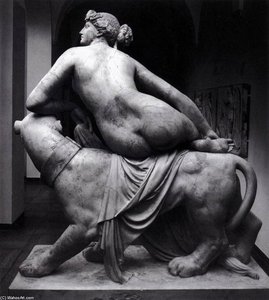
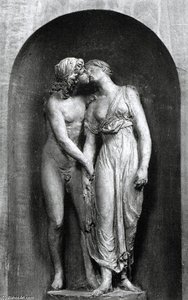
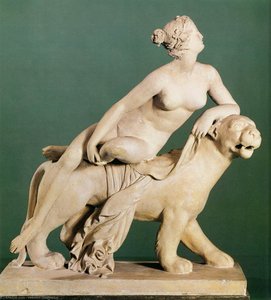
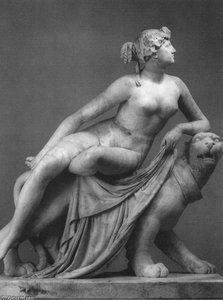
Dannecker’s artistic output included various sculptures, often characterized by neoclassical elegance and detail. Early works like a girl lamenting her dead bird gained considerable admiration for their delicate portrayal of emotion. He created notable pieces such as Sappho (in marble), offering-bearers for the Jagdschloss, Hector (not in marble), The Complaint of Ceres (inspired by Schiller’s poem), a statue of Christ, Psyche, a kneeling water-nymph, and multiple versions of Love. His most celebrated work is undoubtedly "Ariadne on the Panther," initially modeled in terracotta in 1803 and later executed in marble between approximately 1810 and 1814. This sculpture, now housed in the Liebieghaus Sculpture Collection in Frankfurt, is widely considered his masterpiece and a pivotal piece of 19th-century sculpture. The creation of this work was facilitated by a contract with Frankfurt banker Simon Moritz von Bethmann, who commissioned the marble version and built a neoclassical museum (the Bethmann Museum) to showcase it.Legacy and Historical Significance
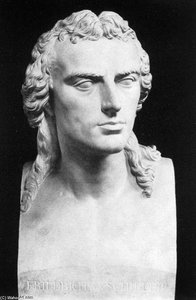
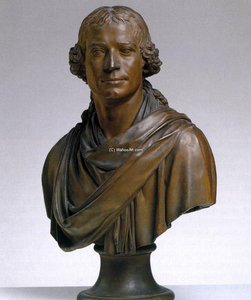
Johann Heinrich von Dannecker’s legacy extends beyond his individual sculptures. The Bethmann Museum, designed specifically to display "Ariadne on the Panther," was Frankfurt's first purpose-built museum building, demonstrating a commitment to art appreciation and public access. His bust of Friedrich Schiller, created after the poet’s death, gained further recognition when Reinhold Begas made copies for the monumental Schiller statue in Berlin's Gendarmenmarkt. Dannecker continued working into his later years, creating busts like that of John the Baptist in 1823 and 1824. He died on December 8, 1841, leaving behind a body of work that exemplifies neoclassical sculpture and contributed significantly to German art history. His influence can be seen in subsequent generations of sculptors who admired his technical skill and artistic vision.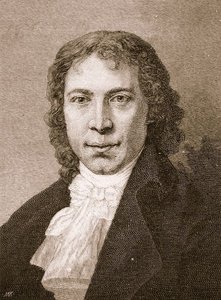
Johann Heinrich von Dannecker
1758 - 1841 , Germany
Quick Facts
- Artistic Movement Or Style: Neoclassical
- Artists Who Influenced This Artist: ['Antonio Canova']
- Date Of Birth: October 16, 1758
- Date Of Death: December 8, 1841
- Full Name: Johann Heinrich von Dannecker
- Nationality: German
- Notable Artworks:
- Ariadne on the Panther
- Sappho
- Psyche
- Friedrich von Schiller (bust)
- Place Of Birth: Waldemarbach, Germany