

 Preview
 Send
Send Share
Share
 Details

 Download
 Similars
 X-Ray
X-Ray Diaporama
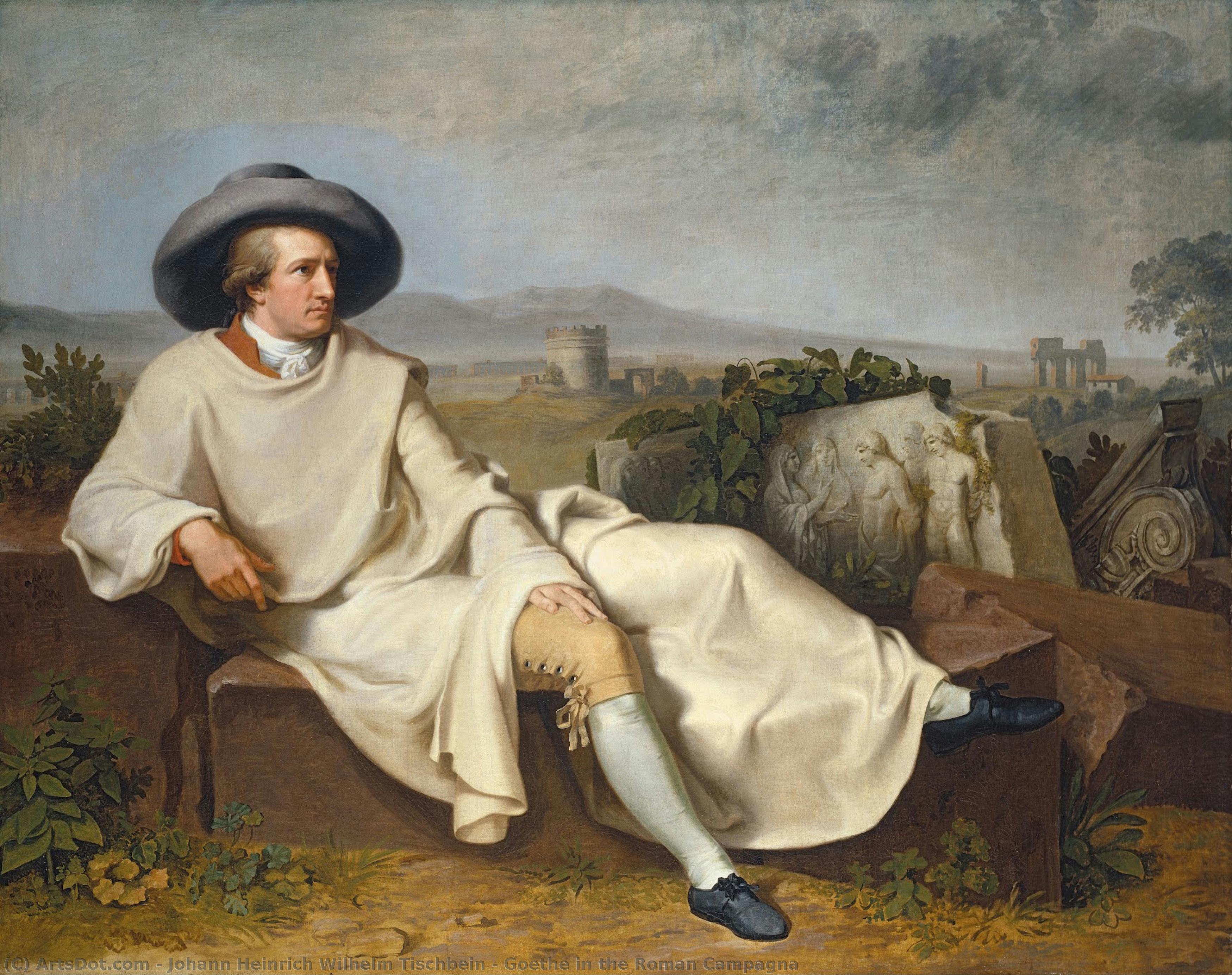
Goethe in the Roman Campagna
 Oil On Canvas
- WallArt
- Neoclassicism
 1787
1787 206.0 x 164.0 cm
 Städel Museum
 Read More
Purchase a high-resolution, enhanced digital image, far superior to the online preview.
Each file is meticulously prepared by our in-house specialists using advanced tools and expert manual retouching. We ensure every image has exceptional clarity, precise color accuracy, and fine detail.
The final file is delivered via email within 72 hours, optimized for immediate use in professional, editorial, and print environments. This is the same quality trusted by top-tier design studios, publishers, and galleries.
Digital Image
Download a high-resolution file for personal display, printing, and creative projects. ( Buy Print Buy Hand Made Painting)
Included in Every Digital Image Order
Expert Digital Delivery, Guaranteed
When you choose ArtsDot.com, you're not just getting an image - you're receiving a professionally enhanced digital artwork, crafted with precision and backed by a satisfaction guarantee. Here's everything that comes with your order, automatically:

Fast Email Delivery
Your high-resolution digital image file will be emailed to you within 72 hours of ordering - ready for immediate use.

AI-Enhanced Digital File
Your artwork is professionally optimized using advanced AI tools and manual editing, ensuring maximum detail, clarity, and color accuracy.

Free Lifetime Re-Delivery
Accidentally deleted or lost your file? No worries - we'll resend it to you anytime, free of charge.

No Import Fees - Ever
Enjoy your artwork instantly with zero customs, duties, or delivery fees - digital downloads are always tax-free.

Color Accuracy Guarantee
We ensure your digital image reflects the original colors as closely as possible using professional tools and color management.

60-Day Satisfaction Guarantee
If you're not satisfied with your digital image, we'll revise it or refund 100% within 60 days - no questions asked.

100% Money-Back Guarantee
Not satisfied? Get a full refund within 60 days of receiving your digital file - no questions asked.

Bulk Order Discounts
Buy 3 images, save 10% - Buy 5, save 15% - Buy 10+, save 20%. Great for creative projects, galleries, and agencies.
Johann Heinrich Wilhelm Tischbein’s Goethe in the Roman Campagna: A Portrait of Enlightenment
The painting “Goethe in the Roman Campagna,” executed by Johann Heinrich Wilhelm Tischbein in 1787, stands as a cornerstone of Neoclassical portraiture and embodies the spirit of intellectual curiosity that defined the era. More than just a likeness of Johann Wolfgang von Goethe—Germany’s most celebrated poet and playwright—the artwork is a meticulously crafted meditation on observation, contemplation, and the intersection between art and philosophy. Tischbein's masterful depiction captures not merely physical appearance but also an inner state of serene thoughtfulness, reflecting Goethe’s profound engagement with the natural world during his travels in Italy.Style and Technique: The Language of Order
Tischbein adhered rigorously to the principles of Neoclassicism, a movement that sought inspiration from classical antiquity—specifically ancient Greece and Rome—rejecting the ornate excesses of Baroque art. This stylistic commitment is evident in every aspect of the composition. Geometric precision dominates both figure and landscape, mirroring the ideals of rationality and balance championed by thinkers like Voltaire and Rousseau. Brushstrokes are smooth and deliberate, conveying a sense of controlled elegance and reflecting Tischbein’s meticulous attention to detail. The artist skillfully employs chiaroscuro—the dramatic interplay of light and shadow—to sculpt Goethe's form against the backdrop of the Roman countryside, enhancing depth and creating an illusionistic effect that draws the viewer into the scene. Oil paints on canvas provide a rich surface texture, subtly hinting at the materiality of the subject matter.Historical Context: Weimar’s Intellectual Renaissance
“Goethe in the Roman Campagna” emerged during Weimar’s Golden Age—a period of unprecedented cultural flourishing under Johann Wilhelm Ernst Goethe (no relation to the poet), Tischbein's patron and ruler. This era witnessed a resurgence of interest in classical learning, fueled by humanist scholarship and driven by a desire to emulate the grandeur of antiquity. Goethe himself was deeply immersed in philosophical debates concerning reason versus emotion, and Tischbein’s portrait reflects this intellectual preoccupation. The painting served as a visual testament to Goethe's formative experiences—his immersion in Italian art and literature—solidifying his reputation as a champion of Enlightenment ideals.Symbolism: Landscape as Reflection
The Roman Campagna—the fertile plains surrounding Rome—functions symbolically as more than just a scenic backdrop; it represents the source of inspiration for Goethe’s artistic endeavors. The landscape embodies tranquility, beauty, and intellectual stimulation – qualities that Tischbein sought to convey through his depiction. Goethe's seated posture suggests contemplation and observation, mirroring the artist’s own approach to capturing the essence of his subject. Furthermore, the classical setting underscores the overarching theme of humanist values—a belief in human reason and potential—characteristic of the Enlightenment period.Emotional Impact: Dignified Reflection
Ultimately, “Goethe in the Roman Campagna” transcends mere representation; it communicates a profound emotional resonance. Tischbein’s portrayal captures Goethe's inner serenity and intellectual engagement with remarkable sensitivity. The painting invites viewers to contemplate the beauty of observation and the importance of cultivating a contemplative spirit—themes that continue to resonate powerfully today. It stands as an enduring emblem of artistic excellence and intellectual curiosity, securing its place within the canon of Neoclassical portraiture.Related Artworks

Artist Biography
early life and training
johann heinrich wilhelm tischbein, known as the goethe tischbein, was a german painter from the tischbein family of artists. born on february 15, 1751, in haina, germany, tischbein's life was marked by an innate passion for art. he received his early training under the guidance of johann heinrich tischbein the elder, a prominent figure in the german art scene.artistic career and notable works
tischbein's artistic career was characterized by his mastery of portraiture, as evident in his famous work portrait of johann wolfgang von goethe in the roman campagna. this piece not only showcases tischbein's skill but also highlights his connection to the renowned german writer and statesman. other notable works include:- paris with the apple, a painting that reflects tischbein's fascination with the french art scene.
- helen and menelaus, a piece that demonstrates his ability to capture mythological themes with elegance.
- ajax and cassandra, showcasing tischbein's versatility in depicting dramatic scenes.
legacy and influence
tischbein's contributions to german art are undeniable. his work has been featured in various museums, including the schackgalerie in munich, which is dedicated to late romanticism. this museum, with its extraordinary collection of paintings, offers a unique insight into 19th-century german art.personal life and later years
tischbein passed away on june 26, 1829, in eutin, germany. his legacy continues to inspire artists and art enthusiasts alike, with his work remaining a testament to the enduring power of german art during the late romantic period. key points:- tischbein was born on february 15, 1751, in haina, germany.
- he received training under johann heinrich tischbein the elder.
- notable works include portrait of johann wolfgang von goethe in the roman campagna, paris with the apple, and ajax and cassandra.
- tischbein's work is featured in the schackgalerie in munich.
- he passed away on june 26, 1829, in eutin, germany.
- view tischbein's artworks on ArtsDot: [https://ArtsDot.com/@/johann heinrich wilhelm tischbein](https://ArtsDot.com/@/johann heinrich wilhelm tischbein)
- explore the schackgalerie in munich: /en/art/show/art-d3bffr-en/
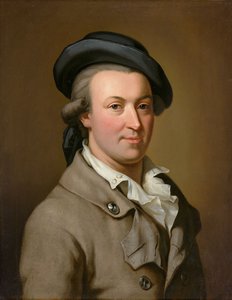
johann heinrich wilhelm tischbein
1751 - 1829 , Germany
Quick Facts
- Artistic Movement Or Style: English School; Moral & Satirical Engravings/Paintings
- Artists Or Movements Influenced By This Artist:
- Romantic Literature
- Caricature
- Artists Who Influenced This Artist:
- Nicolas Poussin
- Jan Vermeer
- Date Of Birth: November 5, 1697
- Date Of Death: October 26, 1764
- Full Name: William Hogarth
- Nationality: British
- Notable Artworks:
- Beer Street
- Gin Lane
- Marriage A-la-Mode
- Industry and Idleness
- Place Of Birth: London, England

