

 Preview
 Send
Send Share
Share
 Details

 Download
 Similars
 X-Ray
X-Ray Diaporama
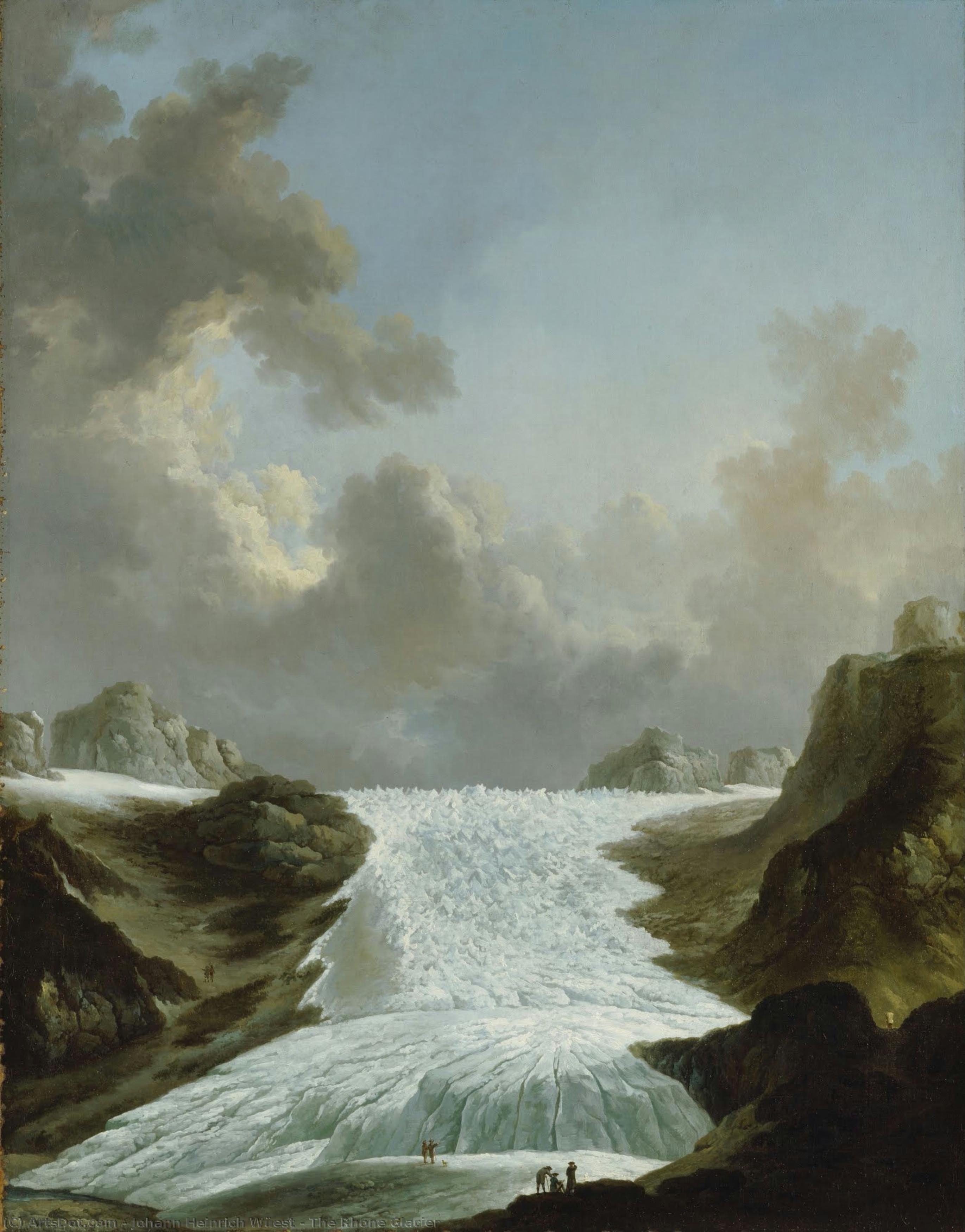
The Rhone Glacier
 1775
1775 126.0 x 100.0 cm
 Kunsthaus Zürich
 Read More
Purchase a high-resolution, enhanced digital image, far superior to the online preview.
Each file is meticulously prepared by our in-house specialists using advanced tools and expert manual retouching. We ensure every image has exceptional clarity, precise color accuracy, and fine detail.
The final file is delivered via email within 72 hours, optimized for immediate use in professional, editorial, and print environments. This is the same quality trusted by top-tier design studios, publishers, and galleries.
Digital Image
Download a high-resolution file for personal display, printing, and creative projects. ( Buy Print Buy Hand Made Painting)
Included in Every Digital Image Order
Expert Digital Delivery, Guaranteed
When you choose ArtsDot.com, you're not just getting an image - you're receiving a professionally enhanced digital artwork, crafted with precision and backed by a satisfaction guarantee. Here's everything that comes with your order, automatically:

Fast Email Delivery
Your high-resolution digital image file will be emailed to you within 72 hours of ordering - ready for immediate use.

AI-Enhanced Digital File
Your artwork is professionally optimized using advanced AI tools and manual editing, ensuring maximum detail, clarity, and color accuracy.

Free Lifetime Re-Delivery
Accidentally deleted or lost your file? No worries - we'll resend it to you anytime, free of charge.

No Import Fees - Ever
Enjoy your artwork instantly with zero customs, duties, or delivery fees - digital downloads are always tax-free.

Color Accuracy Guarantee
We ensure your digital image reflects the original colors as closely as possible using professional tools and color management.

60-Day Satisfaction Guarantee
If you're not satisfied with your digital image, we'll revise it or refund 100% within 60 days - no questions asked.

100% Money-Back Guarantee
Not satisfied? Get a full refund within 60 days of receiving your digital file - no questions asked.

Bulk Order Discounts
Buy 3 images, save 10% - Buy 5, save 15% - Buy 10+, save 20%. Great for creative projects, galleries, and agencies.
Collectible Description
Related Artworks







Artist Biography
Henry Fuseli: A Pioneer of the Gothic Imagination
Johann Heinrich Füssli, better known as Henry Fuseli, emerged in the late 18th century as a pivotal figure in European art, particularly recognized for his dramatic and unsettling depictions of mythological subjects. Born in Basel, Switzerland, in 1741, Fuseli’s artistic journey was marked by a fascination with the macabre, the sublime, and the psychological depths of human experience – elements that would profoundly influence the burgeoning Romantic movement. His early life provided a unique foundation for his future work; his father served as concierge to the residence of the Parisian École des Élèves Protégés, affording young Henry access to the studios of leading artists in the Louvre, exposing him to both classical antiquity and the vibrant styles of the Baroque.
Fuseli’s artistic development was shaped by a complex interplay of influences. Initially trained in the traditions of the Rococo, he quickly gravitated towards the dramatic intensity of Caravaggio and the brooding atmosphere of Rembrandt. This shift is evident in his early works, such as *The Ghost at the Banquet*, painted in 1769, which established him as a master of creating scenes charged with suspense and psychological tension. The painting’s success catapulted him to fame, solidifying his reputation for depicting nightmares and visions—a hallmark that would define much of his subsequent output.
His time in Rome, awarded through the Prix de Rome scholarship, proved transformative. He immersed himself in the study of classical sculpture, particularly the marbles of antiquity, meticulously copying works by masters like Bernini. However, he didn’t simply replicate; he infused these studies with a distinctly personal vision, incorporating elements of Baroque dynamism and his own burgeoning interest in the darker aspects of human nature. This period witnessed the creation of numerous paintings inspired by classical mythology, including *The Massacre of Innocence* (1783), a harrowing depiction of Herod’s slaughter of the children that remains one of his most iconic works. The painting's stark realism and emotional intensity shocked audiences and cemented Fuseli’s reputation for unsettling imagery.
Portraiture and Social Engagement
While renowned for his mythological scenes, Fuseli also established himself as a respected portrait painter. He produced numerous portraits of prominent figures of the era, including members of the British aristocracy and intellectual circles. These works demonstrate a remarkable ability to capture not only physical likeness but also the personalities and inner lives of his subjects. His portraits of Sir Joshua Reynolds, William Wilberforce, and Thomas Jefferson are particularly noteworthy for their psychological depth and subtle nuances.
Beyond portraiture, Fuseli was actively involved in the cultural life of London. He served as an Associate of the Royal Academy in 1786, a prestigious institution that he helped to establish. His involvement extended beyond painting; he was a vocal advocate for artistic reform and a critic of prevailing aesthetic standards. He championed the importance of direct observation and emotional expression in art, arguing against the rigid formalism of Neoclassicism.
The Influence of Romanticism
Fuseli’s work exerted a profound influence on the development of Romanticism, a movement that emphasized emotion, imagination, and the power of nature. His depictions of supernatural phenomena, his exploration of psychological states, and his rejection of classical ideals paved the way for later Romantic artists such as William Blake and Caspar David Friedrich. The themes he explored—the sublime, terror, dreams, and the irrational—resonated deeply with the sensibilities of a generation seeking to break free from the constraints of Enlightenment rationalism.
His paintings were not always well-received during his lifetime; critics often dismissed them as morbid or unsettling. However, in retrospect, Fuseli’s work is recognized for its pioneering role in shaping the Romantic aesthetic and its enduring exploration of the darker corners of the human psyche. His legacy lies not only in his individual masterpieces but also in his contribution to the broader cultural landscape.
Later Years and Legacy
Fuseli continued to paint and exhibit throughout his later years, producing a prolific body of work that reflected his evolving artistic interests. He spent much of his final decade in Switzerland, where he established an art school and dedicated himself to teaching. He died in Basel in 1825 at the age of 84.
Despite facing criticism during his lifetime, Henry Fuseli’s impact on European art is undeniable. His pioneering exploration of psychological themes, his dramatic use of light and shadow, and his embrace of the sublime established him as a key figure in the transition from Neoclassicism to Romanticism. His work continues to fascinate and provoke viewers today, reminding us of the enduring power of imagination and the unsettling beauty of the human experience.
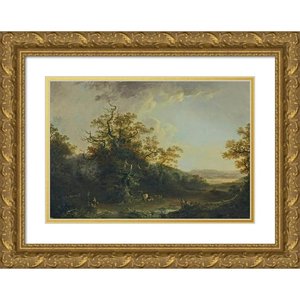
johann heinrich wüest
1741 - 1821 , Switzerland
Quick Facts
- Artistic Movement Or Style: Rococo, Romanticism
- Artists Or Movements Influenced By This Artist:
- Romanticism
- Goya
- Artists Who Influenced This Artist:
- Jacques-Louis David
- Joseph Wright of Derby
- Date Of Birth: 1741
- Date Of Death: 1825
- Full Name: Henry Fuseli
- Nationality: Swiss
- Notable Artworks:
- The Nightmare
- Lady Sylvia Finch
- Hesperides
- Place Of Birth: Switzerland

