 Preview
 Send
Send Share
Share
 Details

 Download
 Similars
 X-Ray
X-Ray Diaporama
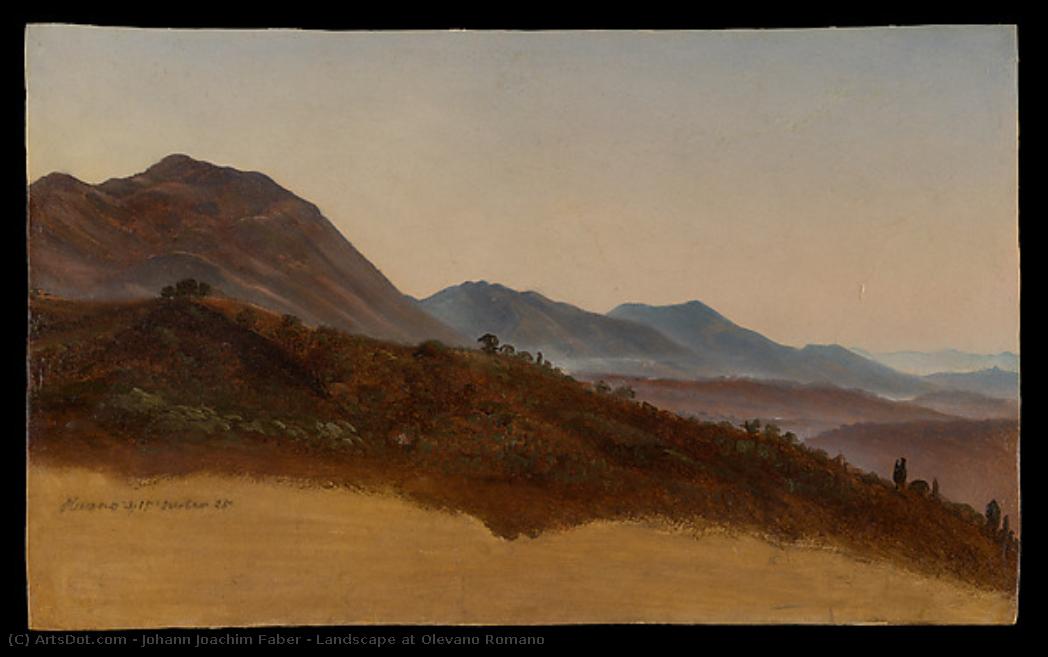
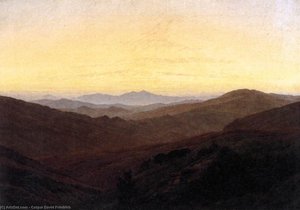
Landscape at Olevano Romano
 1825
1825 21.0 x 34.0 cm
 Metropolitan Museum of Art
 Read More
Hand Made Oil Reproduction
Hand-painted oil on canvas in your size and frame, made to order by our artists. ( Buy Print Buy Image)




































Pick from our preset sizes that match the artwork's original proportions.

You may enter your own dimensions to fit a specific frame or space. If your selected size does not match the original image's proportions, we will either crop the artwork or extend the painting with additional hand-painted elements. A digital mockup will be sent for your approval before production begins.
Please note that the on-screen preview does not reflect the actual cropping or extension. Only the mockup will accurately show the final composition.
While custom sizes are available, we recommend selecting a dimension from the predefined list to preserve the original proportions.
After order, ArtsDot.com team will email client for instructions and provide a mockup preview
Worldwide Delivery () in 3/4 weeks instead of standard 5 weeks. (27 August). No compromise on quality.

Free Worldwide Express Shipping

High-Quality Linen Canvas

Full Shipping Insurance

Customs Tax Refund Guarantee

True Color Matching Guarantee

60-Day Return Policy (Defects Only)

100% Money-Back Guarantee

Bulk Discount Offer
 Glass option is only available in size under 110 CM

Landscape at Olevano Romano
Reproduction Medium
Reproduction Size
-


Total Price
$ 263
Related Artworks







Artist Biography
Early Life and Artistic Beginnings in Hamburg
Johann Joachim Faber, born in the bustling port city of Hamburg in 1778, emerged into a world steeped in commercial energy and burgeoning cultural awareness. While details surrounding his early family life remain scarce, it’s clear that the vibrant atmosphere of late-eighteenth century Hamburg—a hub of trade, Enlightenment thought, and neoclassical architecture—provided fertile ground for an aspiring artist. He initially embarked on his artistic journey by receiving foundational training at the drawing and painting school established by Friedrich Ludwig Waagen, a local artist who offered practical instruction in sketching, composition, and basic techniques. This private institution served as a crucial stepping stone, filling a void left by the absence of a formal public academy dedicated to fine arts within the city.
Faber’s early work focused on historical and religious subjects, demonstrating a commitment to established artistic traditions. He notably painted the altar-piece, “Suffer Little Children to come unto Me,” for St. Catharine's Church in Hamburg—a piece indicative of his initial dedication to narrative and devotional art. However, this direction would soon undergo a profound transformation, spurred by an experience that would define his artistic career.
The Italian Journey and the Embrace of Landscape
A pivotal moment arrived with Faber’s journey to Italy in the 1820s, undertaken in the company of fellow artists Joseph Anton Koch and Johann Christian Reinhardt. This expedition proved transformative, igniting a passion for landscape painting that would become his defining artistic pursuit. The Italian countryside, bathed in golden light and steeped in classical history, captivated Faber’s imagination. He found himself increasingly drawn to capturing the sublime beauty of nature—the rugged terrains, coastal vistas, and rustic charm of hill towns like Olevano Romano.
The influence of Joseph Anton Koch was particularly significant during this period. Koch, a leading figure in the classical ideal of heroic landscapes, instilled in Faber a sense of structured composition and precise observation. This mentorship helped Faber to blend detailed realism with a romantic sensibility, creating works that were both visually striking and emotionally resonant.
A Romantic Vision of Italian Topography
Upon his return from Italy, Faber dedicated himself wholeheartedly to landscape painting. He became renowned for his oil sketches and paintings depicting the diverse topography of the Italian peninsula—from the Amalfi grottos to the bays of Naples. His works weren’t merely topographical representations; they were imbued with a romantic spirit, capturing the atmosphere, light, and emotional essence of each location.
Paintings like “Landscape at Olevano Romano” (1825), an unfinished sketch emphasizing the rustic allure of the hill town east of Rome, exemplify his style. Similarly, “Civitella Seen from the North” (circa 1820–1825) showcases his ability to convey a sense of depth and tranquility through careful observation and skillful brushwork. These pieces weren’t simply depictions of places; they were expressions of a deeply felt connection with nature.
Legacy and Historical Significance
Faber's career highlights the increasing mobility of German artists during the early nineteenth century, as many sought inspiration in Italy’s rich artistic heritage. His work bridged Northern European Romanticism with Italianate classicism, contributing to a broader movement that celebrated the sublime power of nature.
His paintings found their way into prominent collections, including the Alte Nationalgalerie in Berlin—a testament to his growing recognition and influence. Works such as “View of the Capuchin Monastery near Naples” (1830) continue to be admired for their technical skill, atmospheric depth, and evocative portrayal of Italian landscapes.
Although Faber’s life ended in Hamburg in 1846, his artistic legacy endures. He remains a significant figure in the history of German Romantic landscape painting, celebrated for his ability to capture the timeless beauty and emotional resonance of the Italian countryside. His works offer a glimpse into a world where art served as a vehicle for exploring not only the visual splendor of nature but also the profound connection between humanity and the environment.
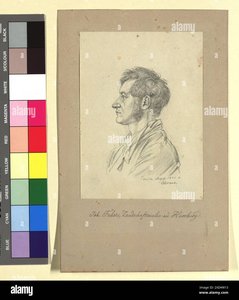
johann joachim faber
1778 - 1846 , Germany
Quick Facts
- Artistic Movement Or Style: Romantic landscape art
- Artists Who Influenced This Artist: ['Joseph Anton Koch']
- Date Of Birth: 1778
- Date Of Death: 1846
- Full Name: Johann Joachim Faber
- Nationality: German
- Notable Artworks:
- View of Capuchin Monastery
- Landscape at Olevano Romano
- Suffer Little Children
- Place Of Birth: Hamburg, Germany