

 Preview
 Send
Send Share
Share
 Details

 Download
 Similars
 X-Ray
X-Ray Diaporama
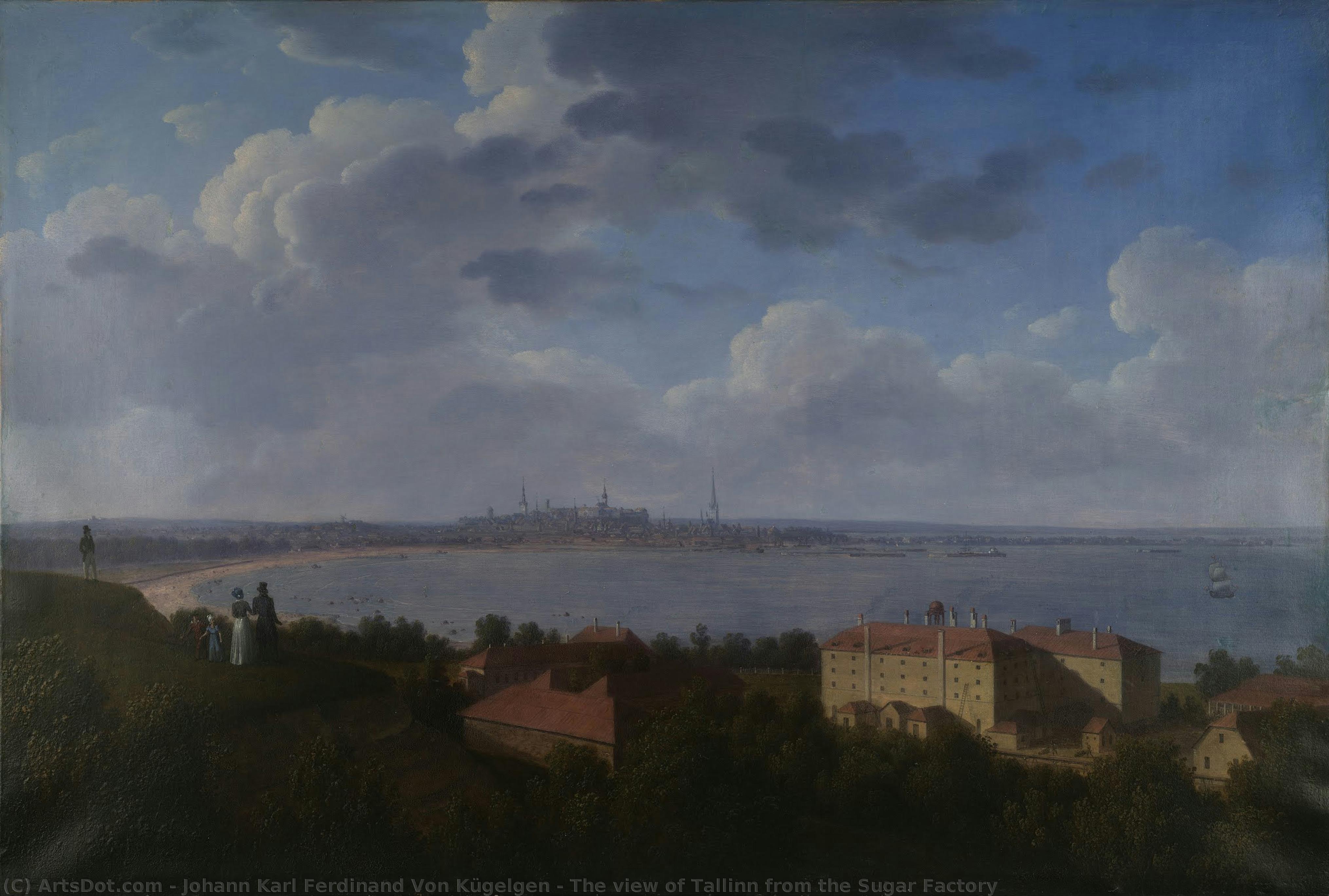
The view of Tallinn from the Sugar Factory

 Read More
Purchase a high-resolution, enhanced digital image, far superior to the online preview.
Each file is meticulously prepared by our in-house specialists using advanced tools and expert manual retouching. We ensure every image has exceptional clarity, precise color accuracy, and fine detail.
The final file is delivered via email within 72 hours, optimized for immediate use in professional, editorial, and print environments. This is the same quality trusted by top-tier design studios, publishers, and galleries.
Digital Image
Download a high-resolution file for personal display, printing, and creative projects. ( Buy Print Buy Hand Made Painting)
Included in Every Digital Image Order
Expert Digital Delivery, Guaranteed
When you choose ArtsDot.com, you're not just getting an image - you're receiving a professionally enhanced digital artwork, crafted with precision and backed by a satisfaction guarantee. Here's everything that comes with your order, automatically:

Fast Email Delivery
Your high-resolution digital image file will be emailed to you within 72 hours of ordering - ready for immediate use.

AI-Enhanced Digital File
Your artwork is professionally optimized using advanced AI tools and manual editing, ensuring maximum detail, clarity, and color accuracy.

Free Lifetime Re-Delivery
Accidentally deleted or lost your file? No worries - we'll resend it to you anytime, free of charge.

No Import Fees - Ever
Enjoy your artwork instantly with zero customs, duties, or delivery fees - digital downloads are always tax-free.

Color Accuracy Guarantee
We ensure your digital image reflects the original colors as closely as possible using professional tools and color management.

100-Day Satisfaction Guarantee
If you're not satisfied with your digital image, we'll revise it or refund 100% within 100 days - no questions asked.

100% Money-Back Guarantee
Not satisfied? Get a full refund within 100 days of receiving your digital file - no questions asked.

Bulk Order Discounts
Buy 3 images, save 10% - Buy 5, save 15% - Buy 10+, save 20%. Great for creative projects, galleries, and agencies.
Related Artworks








Artist Biography
Johann Karl Ferdinand von Kügelgen: Bridging History and Landscape
Born in the heart of Bacharach am Rhein in 1772, Johann Karl Ferdinand von Kügelgen’s life was inextricably linked to the burgeoning artistic landscape of early 19th-century Germany. His twin brother, Gerhard von Kügelgen, a renowned portraitist and history painter, provided an initial framework for his own artistic journey, yet it was through scholarship in Rome and subsequent work within the circles of St. Petersburg and Berlin that Kügelgen carved out a distinctive path as a master of both landscape and historical painting. His legacy isn’t one of flamboyant innovation, but rather of quiet mastery—a meticulous observation of nature combined with a deep understanding of narrative and composition, resulting in works imbued with a subtle Romantic sensibility.
Kügelgen's early years were shaped by the intellectual currents of his time. Studying at the first Bonn University of Philosophy instilled in him a broad education, while his subsequent apprenticeship under Johann Christoph Fesel in Frankfurt and Würzburg honed his technical skills. A pivotal moment arrived with a scholarship granted by the Elector of Bonn, Archduke Maximilian Franz of Austria, allowing him to pursue artistic training in Rome – a move that exposed him to the classical ideals and burgeoning Neoclassical style prevalent at the time. This Roman period proved formative, laying the groundwork for his later approach to landscape painting, characterized by careful detail and an appreciation for atmospheric perspective.
His marriage in 1807 to Emilie Zoege von Manteuffel marked a significant shift in his life, bringing him into contact with influential circles in St. Petersburg. The birth of his eldest son, Konstantin von Kügelgen, also further solidified his position within the Russian artistic community. The influence of this environment is evident in some of his later works, particularly those depicting scenes from Russian history and folklore – a departure from purely German subjects that demonstrates an openness to diverse cultural influences.
A Painter of Two Worlds: Landscape and History
Kügelgen’s artistic output can be broadly categorized into two primary genres: landscape painting and historical works. While he is perhaps best known for his evocative landscapes, it's crucial to recognize that these weren’t simply depictions of nature; they were carefully constructed narratives rendered in meticulous detail. He frequently chose subjects that evoked a sense of melancholy or quiet contemplation – scenes of rolling hills, misty forests, and serene waterways—reflecting the growing Romantic interest in the sublime and the power of nature.
His historical paintings, on the other hand, demonstrate a sophisticated understanding of composition and storytelling. He often depicted scenes from classical mythology or biblical narratives, imbuing them with a sense of drama and emotional intensity. Unlike some of his contemporaries who embraced overtly dramatic styles, Kügelgen’s historical works possess a restrained elegance—a subtle use of color and light that draws the viewer into the scene without resorting to excessive ornamentation.
The Influence of Rome and Petersburg
Kügelgen's time in Rome undoubtedly shaped his artistic sensibilities. The Roman landscape, with its dramatic lighting and varied terrain, provided a rich source of inspiration. He absorbed the techniques of Neoclassical painters while simultaneously developing his own distinctive style—one characterized by a sensitivity to light and atmosphere that would later become a hallmark of German Romanticism. The scholarship he received there also exposed him to a wider range of artistic ideas and traditions.
His subsequent years in St. Petersburg further broadened his horizons. The Imperial Academy of Arts provided him with access to a vast collection of historical paintings and offered opportunities to study the works of other prominent Russian artists. He was eventually appointed as a court and cabinet painter, a prestigious position that afforded him considerable influence within the artistic community. This period saw him increasingly involved in depicting scenes from Russian history—a testament to his adaptability and willingness to embrace new subject matter.
Legacy and Recognition
During his lifetime, Kügelgen’s work was widely recognized for its quality and technical skill. He became a member of both the Prussian Academy of Arts in Berlin and the Imperial Academy of Arts in St. Petersburg—testaments to his standing within the artistic establishment. His paintings were exhibited at major salons throughout Europe and acquired by private collectors and royal collections.
Beyond his own achievements, Kügelgen’s legacy is inextricably linked to that of his brother, Gerhard von Kügelgen, and his granddaughter, Sally von Kügelgen—a family of artists who collectively contributed significantly to the artistic landscape of Germany and Russia. Today, his works are housed in museums and private collections around the world, offering a glimpse into the quiet beauty and understated elegance of a master painter whose influence continues to resonate with viewers.
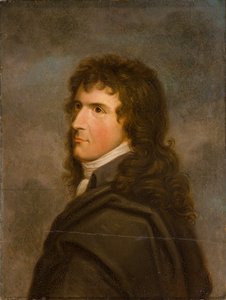
johann karl ferdinand von kügelgen
1772 - 1832 , Germany
Quick Facts
- Artistic Movement Or Style: Romanticism
- Artists Or Movements Influenced By This Artist: ['Sally von Kügelgen']
- Artists Who Influenced This Artist: ['Johann Christoph Fesel']
- Date Of Birth: February 6, 1772
- Date Of Death: January 9, 1832
- Full Name: Johann Karl Ferdinand von Kügelgen
- Nationality: German
- Notable Artworks: ['The view of Tallinn from the Sugar Factory']
- Place Of Birth: Bacharach am Rhein, Germany