 Preview
 Send
Send Share
Share
 Details

 Download
 Similars
 X-Ray
X-Ray Diaporama
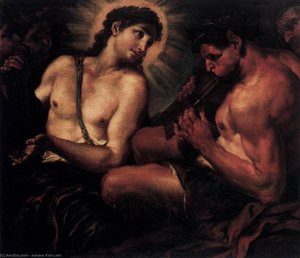
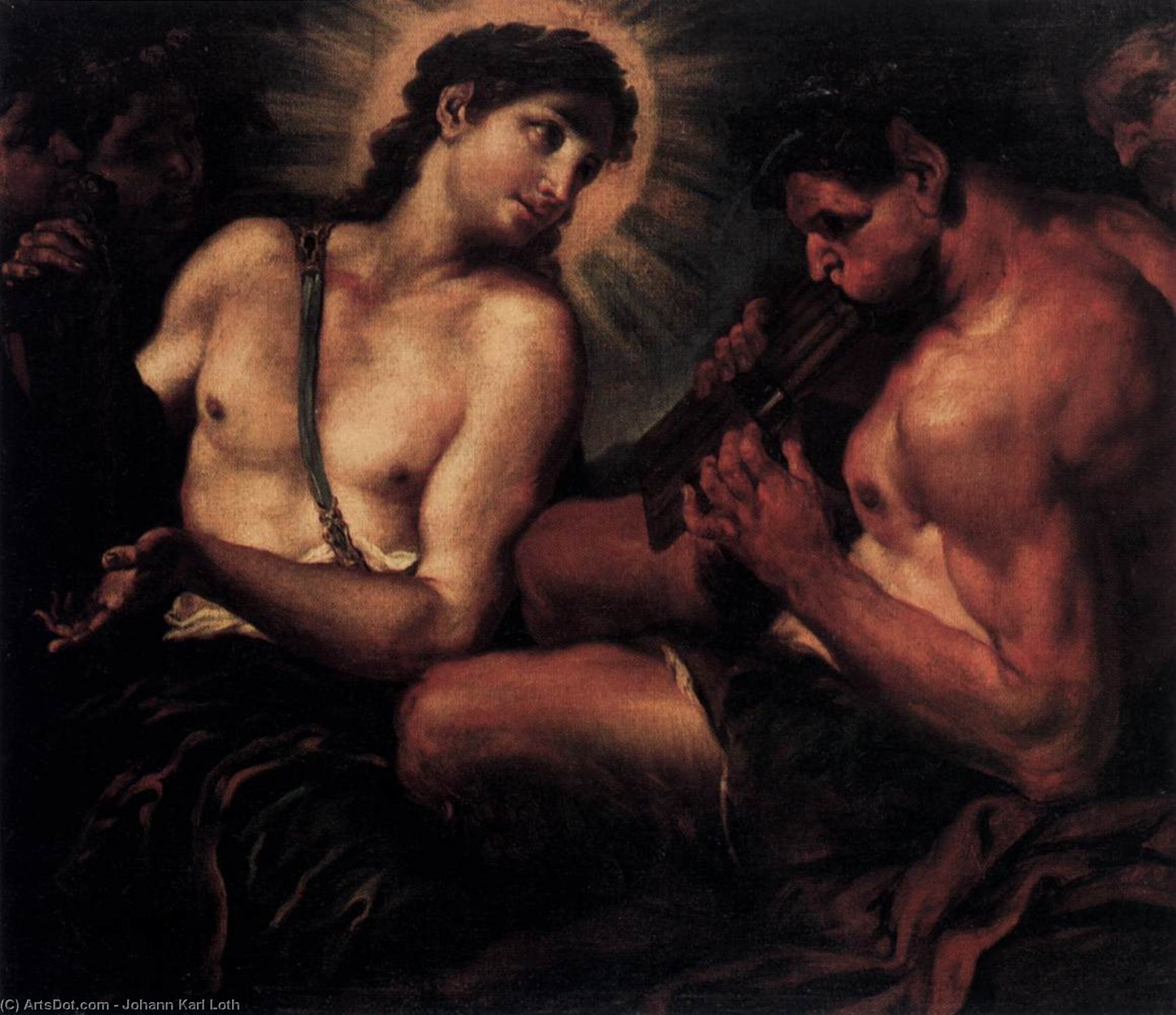
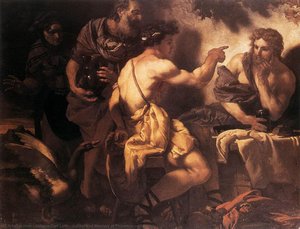
Apollo, Pan, and Marsyas
 97.0 x 117.0 cm
 Staatliche Museen
 Read More
Hand Made Oil Reproduction
Hand-painted oil on canvas in your size and frame, made to order by our artists. ( Buy Print Buy Image)




































Pick from our preset sizes that match the artwork's original proportions.

You may enter your own dimensions to fit a specific frame or space. If your selected size does not match the original image's proportions, we will either crop the artwork or extend the painting with additional hand-painted elements. A digital mockup will be sent for your approval before production begins.
Please note that the on-screen preview does not reflect the actual cropping or extension. Only the mockup will accurately show the final composition.
While custom sizes are available, we recommend selecting a dimension from the predefined list to preserve the original proportions.
After order, ArtsDot.com team will email client for instructions and provide a mockup preview
Worldwide Delivery () in 3/4 weeks instead of standard 5 weeks. (16 August). No compromise on quality.

Free Worldwide Express Shipping

High-Quality Linen Canvas

Full Shipping Insurance

Customs Tax Refund Guarantee

True Color Matching Guarantee

60-Day Return Policy (Defects Only)

100% Money-Back Guarantee

Bulk Discount Offer
 Glass option is only available in size under 110 CM

Apollo, Pan, and Marsyas
Reproduction Medium
Reproduction Size
-


Total Price
$ 263
Related Artworks
Artist Biography
Johann Karl Loth: Venetian Baroque Master
Johann Carl Loth, born around 1632 in Munich, stands as a prominent figure within the Venetian Baroque artistic landscape—a realm dominated by titans like Pietro Titian and Giovanni Battista Gaetano Crespi. Though overshadowed by his contemporaries in terms of fame during his lifetime, Loth’s prolific output and distinctive style cemented his place as one of the “three grand masters” dubbed “karel,” alongside Karel Duijardin and Karel Maratta—a designation bestowed upon him by Arnold Houbraken, a respected biographer of the era. This honor underscores Loth’s considerable influence and recognition within the artistic circles of Amsterdam and Venice.- Early Life & Training: Loth’s formative years were spent under the tutelage of his father, Johann Ulrich Loth, a painter himself, who instilled in him a foundational understanding of artistic principles. Evidence suggests that Loth was also influenced by Giovan Battista Langetti, another influential Venetian artist known for his dramatic compositions and masterful use of chiaroscuro—techniques that would become hallmarks of Loth’s own oeuvre.
- Venetian Career & Collaborations: Loth’s artistic journey truly blossomed in Venice, where he established himself as a respected painter from 1663 until his death in 1698. This period witnessed invaluable collaborations with Pietro Liberi, a fellow Venetian artist who shared Loth’s penchant for grand historical narratives and theatrical visual storytelling. Together, they tackled ambitious commissions—primarily for the Habsburg court in Vienna—demonstrating a commitment to elevating artistic standards.
- Notable Commissions & Artistic Style: Loth achieved considerable renown through his involvement with Emperor Leopold I, securing prestigious assignments that showcased his skill and ambition. His distinctive style is characterized by densely populated scenes depicting biblical narratives or mythological tales—often imbued with dramatic lighting effects (tenebrism) and meticulous attention to detail. Consider particularly “Jupiter and Mercury at Philemon and Baucis,” completed in 1659 for the Kunsthistorisches Museum, where Loth skillfully captures a pivotal moment from Greek mythology.
- Legacy & Influence: Loth’s artistic legacy extends beyond his individual masterpieces. He nurtured numerous pupils—including Michael Wenzel Halbax, santo prunati, Johann Michael Rottmayr, Hans Adam Weissenkircher, Daniel Seiter, and Baron Peter Strudel—who carried forward his stylistic innovations and contributed to the vibrant Venetian art scene. His connections with artists like Willem Drost and Jan Vermeer van Utrecht further solidified his position as a central figure in the artistic community of his time.
- Museum Presence & Historical Significance: Loth’s works are prominently displayed in museums across Europe, notably the Art Institute of Chicago and the National Gallery London. The chapel at Burghley House in England houses two impressive paintings—a testament to Loth's enduring artistic impact. His contribution to Venetian Baroque painting is significant not only for its visual grandeur but also for its embodiment of the period’s intellectual currents—particularly the revival of classical ideals and the exploration of religious themes with profound emotional resonance.
johann karl loth
1632 - 1698
Quick Facts
- Artistic Movement Or Style: Baroque
- Artists Or Movements Influenced By This Artist: ['Classical Mythology Art']
- Artists Who Influenced This Artist:
- Giovanni Battista Langetti
- Franz Loth
- Date Of Death: 1698
- Full Name: Johann Karl Loth
- Nationality: German
- Notable Artworks:
- Jupiter and Mercury at Philemon and Baucis
- Karl mercury piping to argus
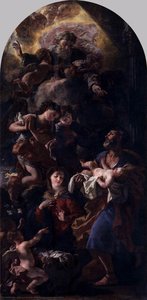
- Holy Family and God the Father
- Place Of Birth: Munich