

 Preview
 Send
Send Share
Share
 Details

 Download
 Similars
 X-Ray
X-Ray Diaporama
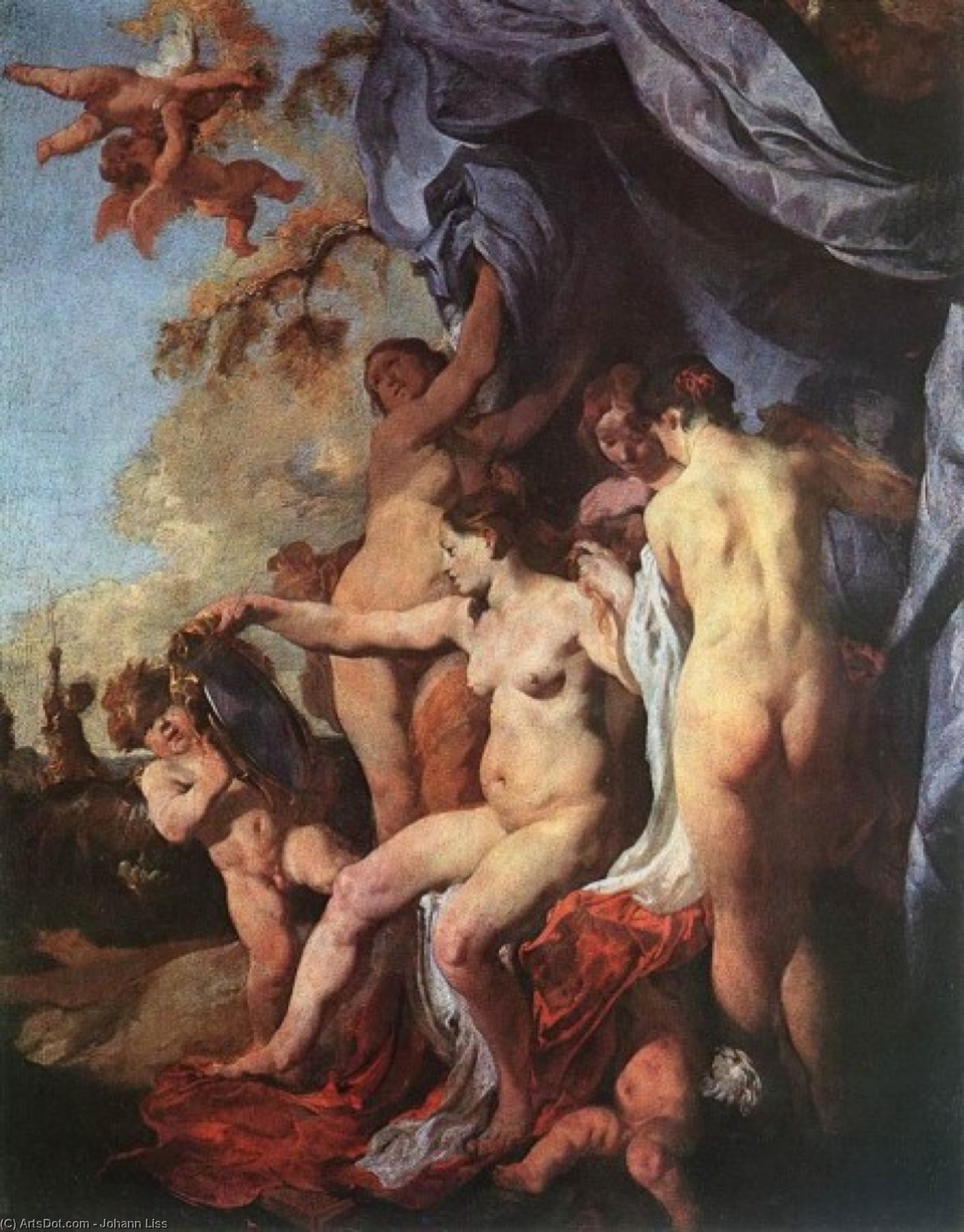
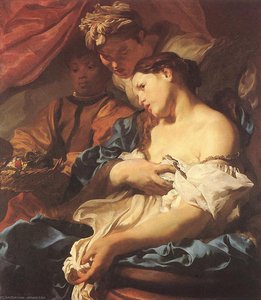
Venus in front of the Mirror
 Oil On Canvas
- WallArt
- Baroque Painting
 1625
1625 83.0 x 69.0 cm
 Galleria degli Uffizi
 Read More
Purchase a high-resolution, enhanced digital image, far superior to the online preview.
Each file is meticulously prepared by our in-house specialists using advanced tools and expert manual retouching. We ensure every image has exceptional clarity, precise color accuracy, and fine detail.
The final file is delivered via email within 72 hours, optimized for immediate use in professional, editorial, and print environments. This is the same quality trusted by top-tier design studios, publishers, and galleries.
Digital Image
Download a high-resolution file for personal display, printing, and creative projects. ( Buy Print Buy Hand Made Painting)
Included in Every Digital Image Order
Expert Digital Delivery, Guaranteed
When you choose ArtsDot.com, you're not just getting an image - you're receiving a professionally enhanced digital artwork, crafted with precision and backed by a satisfaction guarantee. Here's everything that comes with your order, automatically:

Fast Email Delivery
Your high-resolution digital image file will be emailed to you within 72 hours of ordering - ready for immediate use.

AI-Enhanced Digital File
Your artwork is professionally optimized using advanced AI tools and manual editing, ensuring maximum detail, clarity, and color accuracy.

Free Lifetime Re-Delivery
Accidentally deleted or lost your file? No worries - we'll resend it to you anytime, free of charge.

No Import Fees - Ever
Enjoy your artwork instantly with zero customs, duties, or delivery fees - digital downloads are always tax-free.

Color Accuracy Guarantee
We ensure your digital image reflects the original colors as closely as possible using professional tools and color management.

60-Day Satisfaction Guarantee
If you're not satisfied with your digital image, we'll revise it or refund 100% within 60 days - no questions asked.

100% Money-Back Guarantee
Not satisfied? Get a full refund within 60 days of receiving your digital file - no questions asked.

Bulk Order Discounts
Buy 3 images, save 10% - Buy 5, save 15% - Buy 10+, save 20%. Great for creative projects, galleries, and agencies.
Collectible Description
Venus in Front of the Mirror: A Venetian Baroque Enigma
Johann Liss’s “Venus in front of the Mirror,” painted in Florence around 1625-26, is not merely a depiction of the Roman goddess but a profound meditation on beauty, vanity, and the complexities of female identity within the opulent world of Renaissance Venice. Housed currently at the Galleria degli Uffizi, this captivating work transcends its relatively modest size (83 x 69 cm) to offer a glimpse into the artistic sensibilities of a master whose career was tragically cut short.
The scene unfolds with an arresting intimacy. Venus, rendered in Liss’s signature style – characterized by bold color contrasts and a dynamic, almost restless brushstroke – is presented in a moment of quiet contemplation. She sits on a plush bed draped in rich fabrics, her gaze fixed upon a delicately crafted mirror reflecting her own image. The composition isn't one of grand mythological drama; instead, it’s intensely personal, focusing entirely on the goddess’s internal world. Around her are several other women – some nude, others partially clothed – creating a subtly suggestive atmosphere that hints at the pleasures and perils associated with female beauty.
A Master of Light and Shadow: Liss's Venetian Technique
Liss was deeply influenced by the artistic currents flowing through Venice during this period. He absorbed the dramatic lighting employed by Caravaggio, utilizing it to sculpt form and create a palpable sense of depth within the painting. Notice how the light catches the folds of Venus’s gown, highlighting her curves while simultaneously casting shadows that add mystery and intrigue. Liss's technique is remarkably loose and expressive; his brushstrokes are visible, contributing to the work’s vibrant energy and conveying a sense of immediacy. This departure from the more polished styles prevalent in other Italian courts reflects Liss’s unique Venetian perspective.
The choice of mirror itself is significant. Mirrors were not simply reflective surfaces during this era; they represented vanity, self-awareness, and the illusion of perfection. Venus's absorption in her reflection suggests a preoccupation with her own image – a theme that resonates powerfully across centuries. The other women present further amplify this idea, creating a tableau of female gazes and judgments.
Symbolism and Context: A Venetian Portrait
“Venus in front of the Mirror” can be interpreted as more than just a mythological scene; it’s a sophisticated portrait of Venetian society. The presence of multiple women suggests an exploration of female relationships, power dynamics, and the social pressures placed upon women during the Renaissance. Liss was known for his depictions of both religious and secular subjects, and this painting exemplifies his ability to infuse even seemingly straightforward narratives with layers of meaning.
Considering Liss’s relatively short career – he died in Verona at the young age of 32 – it's remarkable that he produced such a complex and emotionally resonant work. His untimely death likely contributed to the relative obscurity of his oeuvre, despite the undeniable quality of his art. The painting’s journey through history, from its creation to its current location in Florence, adds another layer of intrigue to this captivating masterpiece.
A Timeless Appeal: Beauty and Reflection
“Venus in front of the Mirror” continues to captivate viewers with its evocative atmosphere and subtle complexities. Liss’s masterful use of light, color, and composition creates a scene that is both alluring and unsettling – a testament to the enduring power of beauty and the timeless fascination with self-reflection. Whether viewed as a celebration of feminine allure or an exploration of vanity and social constraints, this painting remains a significant example of Venetian Baroque art, offering a poignant glimpse into the world of 17th-century Florence.
Related Artworks

Artist Biography
Pieter Claesz: The Quiet Master of Light and Still Life
Born in Burgsteinfurt, Germany, in 1597 – a date often debated by scholars – Pieter Claesz emerged as one of the most distinctive figures in 17th-century Dutch painting. While his name might not be as instantly recognizable as Rembrandt or Vermeer, Claesz’s quietly assured style and masterful manipulation of light and atmosphere have secured him a unique place within the history of still life. His work offers a serene contemplation on everyday objects, imbued with an understated elegance that continues to captivate viewers today. He died in Haarlem in 1661, leaving behind a legacy of meticulously observed scenes that reveal a profound understanding of texture, color, and the subtle poetry of domesticity.
Early Life and Training
Information about Claesz’s early life is surprisingly sparse. He was likely apprenticed to a Haarlem painter, though the identity of his master remains unknown. His artistic development coincided with a period of significant change in Dutch art – the rise of the “diamond painters,” a group known for their monochrome still lifes that focused on capturing the play of light and shadow on simple objects. This movement, largely influenced by Italian Mannerism and Caravaggio’s dramatic use of chiaroscuro, provided the foundation for Claesz's distinctive style. Interestingly, he was admitted to the Antwerp Guild of Saint Luke in 1620, suggesting a period of artistic exploration and refinement in Flanders before settling permanently in Haarlem.
A Style Defined by Restraint and Observation
Claesz’s paintings are characterized by an extraordinary restraint. Unlike the more flamboyant still lifes of his contemporaries, he eschewed elaborate compositions and vibrant colors. Instead, he favored a limited palette – primarily browns, grays, blacks, and muted yellows – creating a sense of quiet intimacy and understated beauty. His subjects—breakfast tables laden with simple objects like wine glasses, knives, plates of bread or fish, and bowls of fruit—are rendered with meticulous detail, capturing the textures of metal, glass, and fabric with remarkable accuracy. The key to Claesz’s success lies not in dramatic effects but in his ability to evoke a sense of atmosphere through subtle variations in light and shadow. He expertly used reflected light to create depth and volume, transforming ordinary objects into miniature worlds of quiet contemplation.
- Monochrome Dominance: Claesz’s signature style was defined by the use of monochrome palettes, emphasizing tonal shifts and atmospheric effects.
- Detailed Observation: He meticulously rendered textures – from the sheen of polished silver to the rough surface of linen—demonstrating a keen eye for detail.
- Subtle Lighting: Claesz masterfully manipulated reflected light to create depth, volume, and a sense of realism within his confined spaces.
Influences and Connections
While often considered an independent innovator, Claesz’s work was undoubtedly influenced by several key artistic currents. Caravaggio's dramatic use of light and shadow is evident in the way Claesz employs reflected light to create a sense of drama within his still lifes. Furthermore, he shared stylistic affinities with other Haarlem painters like Jacob van Stoorfoot and Pieter Van Neste, both known for their monochrome landscapes and still lifes. Notably, his son, Nicolaes Pietersz Berchem, continued the family tradition, developing into a renowned landscape painter in his own right, demonstrating a clear lineage of artistic skill and aesthetic sensibility.
Legacy and Historical Significance
Pieter Claesz’s contribution to Dutch still life painting is often underestimated. Despite not achieving widespread fame during his lifetime, his work has been increasingly recognized for its quiet beauty, technical mastery, and profound sense of atmosphere. His paintings offer a unique window into the domestic lives of 17th-century Hollanders, revealing a world of simple pleasures and understated elegance. Today, his works are held in prestigious collections worldwide, including the National Gallery of Art in Washington D.C., and the Frans Hals Museum in Haarlem, ensuring that this “quiet master” continues to be appreciated for his remarkable artistic vision.
His work stands as a testament to the power of restraint, observation, and the ability to find beauty in the everyday—qualities that resonate deeply with viewers centuries after his time.

johann liss
1597 - 1630 , Germany
Quick Facts
- Artistic Movement Or Style: Tonal landscapes
- Artists Or Movements Influenced By This Artist: ['Esaias van de Velde']
- Artists Who Influenced This Artist:
- Jan van Goyen
- Salomon van Ruisdael
- Date Of Birth: 1597
- Date Of Death: 1661
- Full Name: Pieter Claesz van Haarlem
- Nationality: Dutch
- Notable Artworks:
- Breakfast Still Life
- Still Life with a Burning Candle
- Place Of Birth: Burgsteinfurt, Germany

