 Preview
 Send
Send Share
Share
 Details

 Download
 Similars
 X-Ray
X-Ray Diaporama
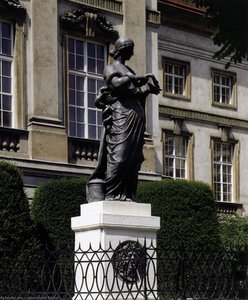
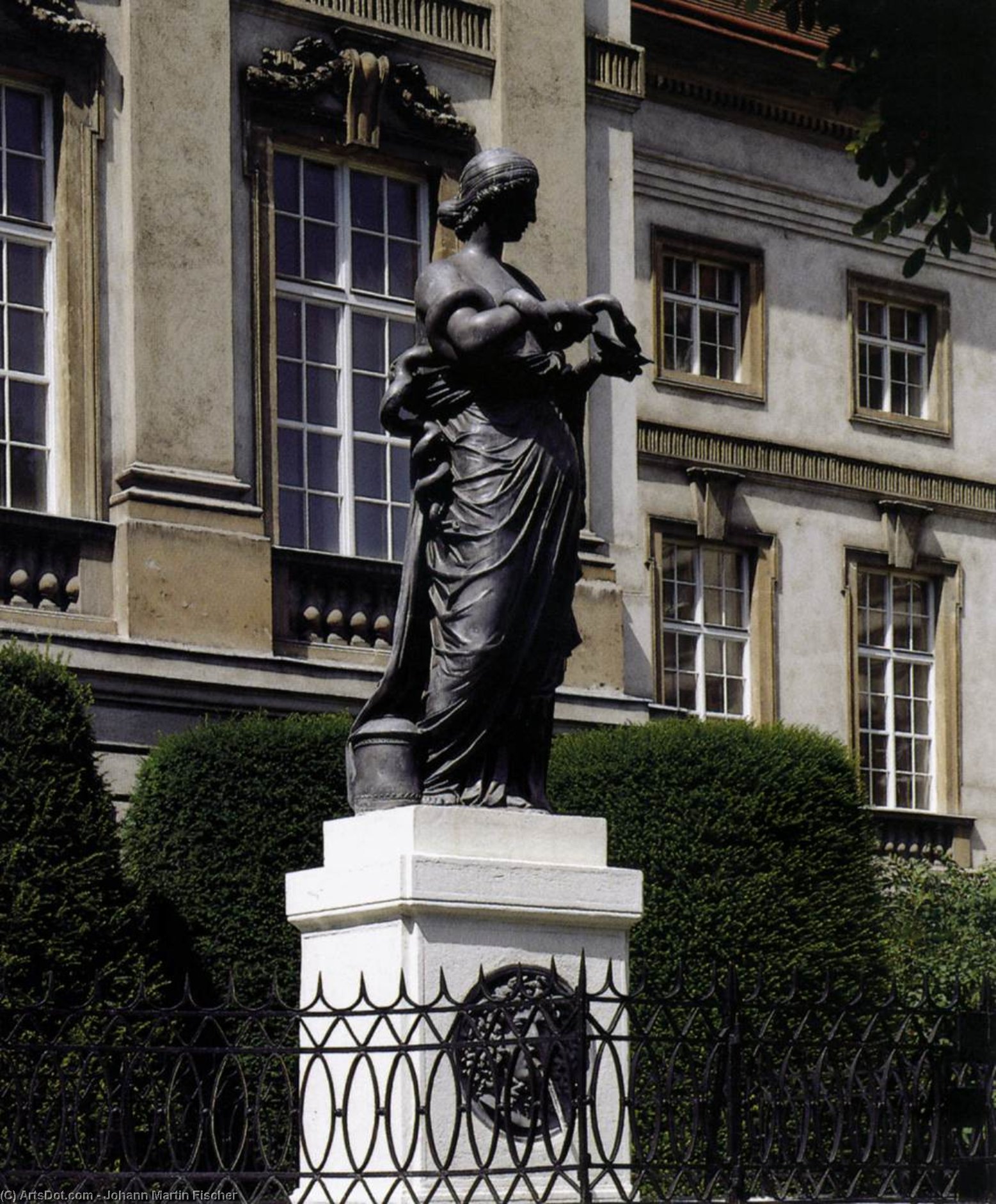
Hygieia


 Read More
Giclée / Art Print
Museum-quality giclée or canvas print with fast production and flexible finish options. ( Buy Hand Made Painting Buy Image)




































Pick from our preset sizes that match the artwork's original proportions.

You may enter your own dimensions to fit a specific frame or space. If your selected size does not match the original image's proportions, we will either crop the artwork or extend the image with a mirrored or solid-fill edge. A digital mockup will be sent for your approval before production begins.
Please note that the on-screen preview does not reflect the actual cropping or extension. Only the mockup will accurately show the final composition.
While custom sizes are available, we recommend selecting a dimension from the predefined list to preserve the original proportions.
Worldwide Delivery () in 2 weeks instead of standard 4/5 weeks. (22 August)

Free Worldwide Express Shipping

High-Quality Linen Canvas

Full Shipping Insurance

Customs Tax Refund Guarantee

True Color Matching Guarantee

60-Day Return Policy (Defects Only)

100% Money-Back Guarantee

Bulk Discount Offer
 Glass option is only available in size under 110 CM

Hygieia
Giclée / Art Print
Reproduction Size
-


Total Price
$ 63
Related Artworks






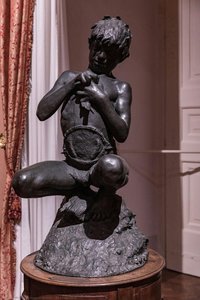

Artist Biography
The Sculptor of Light and Form: The Life of Johann Martin Fischer
In the quiet, mist-shrouded landscapes of the Allgäu region, a legacy was forged that would eventually grace the imperial halls of Vienna. Born in 1740 in Bebele, near Füssen, Johann Martin Fischer began his journey not as an aristocrat of the arts, but as the son of a humble peasant. His early path seemed destined for the rugged life of a wheelwright, yet a physical frailty prevented him from mastering the heavy labors of carpentry. This redirection of fate proved to be a divine intervention for the art world; at the age나 of fifteen, Fischer was apprenticed to a village sculptor. Though his early training was often interrupted by the grueling demands of agricultural labor, the seeds of anatomical precision and classical grace were being sown in the fertile soil of his developing talent.
The true metamorphosis of Fischer’s career began with his migration to Vienna in 1760. This move from the provincial borders of Bavaria to the beating heart of the Holy Roman Empire allowed him to immerse himself in the sophisticated workshops of masters like Anton Tabota and Jakob Christoph Schletterer. It was here that the raw potential of a village apprentice was refined into the technical mastery of an imperial sculptor. His work became a bridge between the lingering grandeur of the Baroque and the emerging clarity of Neoclassicisms, as he learned to manipulate metal and stone to capture the very essence of life. His dedication to the study of anatomy—demonstrated by his remarkable écorché figures—allowed him to breathe movement into static medium, making him a vital figure in the academic circles of the era.
A Legacy Carved in Stone and Spirit
Fischer’s career was marked by an extraordinary versatility that saw him move seamlessly between monumental public works and intimate religious commissions. His ability to command both the vastness of outdoor monuments and the delicate intricacies of altarpieces earned him a prestigious position within the Academy of Fine Arts in Vienna. As a professor of anatomy and later a professor of sculpture, he shaped the hands of future generations, ensuring that his rigorous devotion to structural truth would endure. His sculptural output was as varied as the landscapes of his youth, ranging from the solemn sandstone figures of the Four Evangelists for the Michaelerkirche to grand statues celebrating the Habsburg monarchs.
Beyond the physical weight of his stone works, Fischer’s later transition into painting revealed a soul captivated by the ethereal. In this phase of his life, he moved away from the muscularity of sculpture toward a more luminous and allegorical style. His most celebrated achievement, the depiction of Hygieia, serves as a testament to his ability to weave classical mythology with the moral aspirations of his time. Through meticulous detail and a palette that seemed to glow from within, he captured the goddess of health not merely as a figure of myth, but as a symbol of purity and the Enlightenment ideals of reform. In the works of Johann Martin Fischer, we find a rare harmony where the strength of German craftsmanship meets the soaring intellectualism of the European classical tradition.
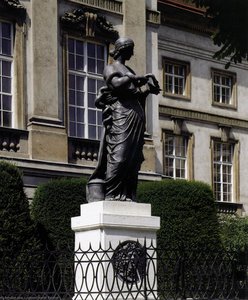
johann martin fischer
1740 - 1820 , Germany
Quick Facts
- Artistic Movement Or Style: Classical Painting
- Artists Or Movements Influenced By This Artist: ['Biedermeier']
- Artists Who Influenced This Artist: ['Rembrandt']
- Date Of Birth: 1740
- Full Name: Johann Martin Fischer
- Nationality: German
- Notable Artworks: ['Hygieia']
- Place Of Birth: Bebele, Germany