

 Preview
 Send
Send Share
Share
 Details

 Download
 Similars
 X-Ray
X-Ray Diaporama
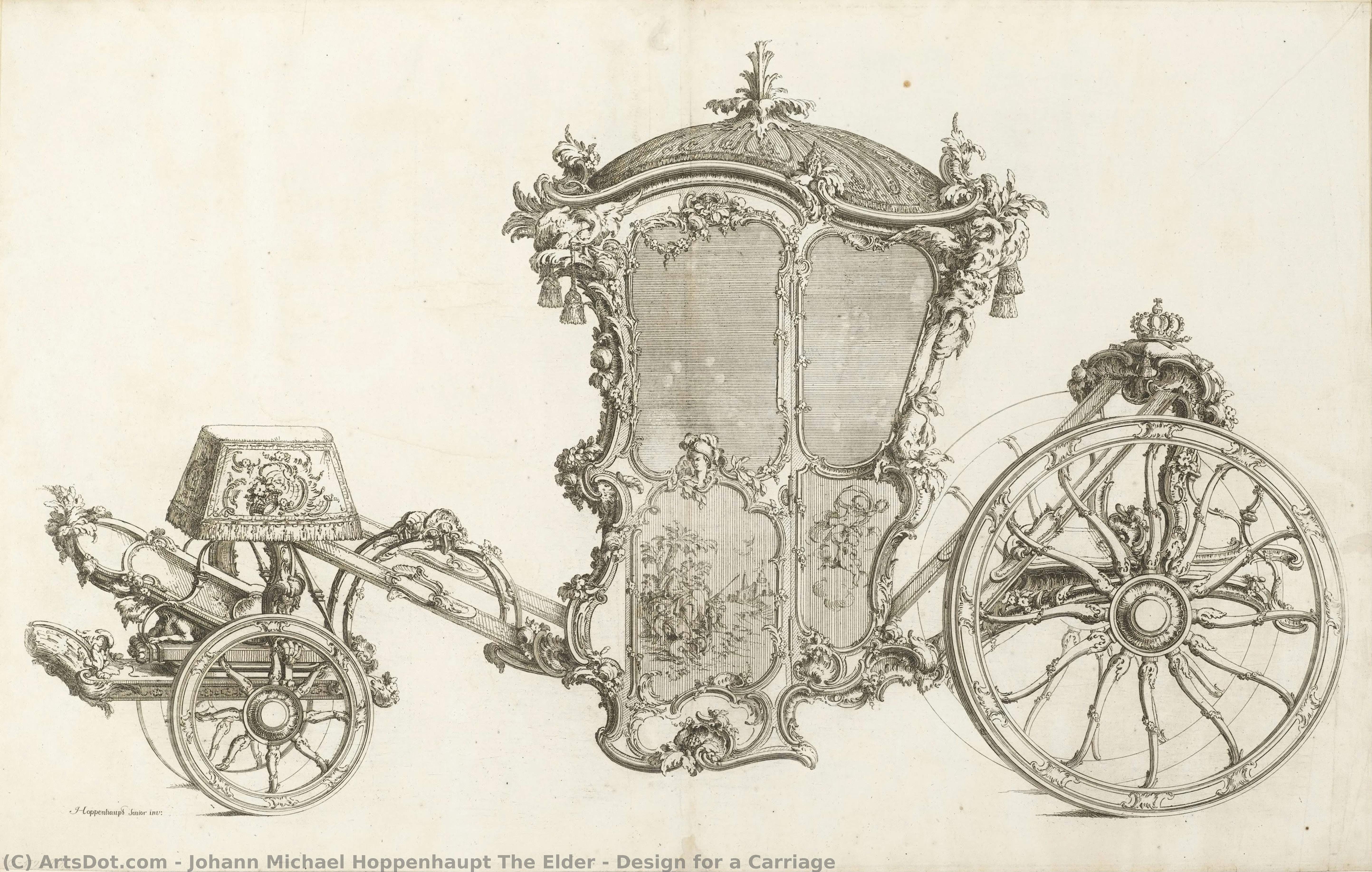
Design for a Carriage


 Read More
Purchase a high-resolution, enhanced digital image, far superior to the online preview.
Each file is meticulously prepared by our in-house specialists using advanced tools and expert manual retouching. We ensure every image has exceptional clarity, precise color accuracy, and fine detail.
The final file is delivered via email within 72 hours, optimized for immediate use in professional, editorial, and print environments. This is the same quality trusted by top-tier design studios, publishers, and galleries.
Digital Image
Download a high-resolution file for personal display, printing, and creative projects. ( Buy Print Buy Hand Made Painting)
Included in Every Digital Image Order
Expert Digital Delivery, Guaranteed
When you choose ArtsDot.com, you're not just getting an image - you're receiving a professionally enhanced digital artwork, crafted with precision and backed by a satisfaction guarantee. Here's everything that comes with your order, automatically:

Fast Email Delivery
Your high-resolution digital image file will be emailed to you within 72 hours of ordering - ready for immediate use.

AI-Enhanced Digital File
Your artwork is professionally optimized using advanced AI tools and manual editing, ensuring maximum detail, clarity, and color accuracy.

Free Lifetime Re-Delivery
Accidentally deleted or lost your file? No worries - we'll resend it to you anytime, free of charge.

No Import Fees - Ever
Enjoy your artwork instantly with zero customs, duties, or delivery fees - digital downloads are always tax-free.

Color Accuracy Guarantee
We ensure your digital image reflects the original colors as closely as possible using professional tools and color management.

60-Day Satisfaction Guarantee
If you're not satisfied with your digital image, we'll revise it or refund 100% within 60 days - no questions asked.

100% Money-Back Guarantee
Not satisfied? Get a full refund within 60 days of receiving your digital file - no questions asked.

Bulk Order Discounts
Buy 3 images, save 10% - Buy 5, save 15% - Buy 10+, save 20%. Great for creative projects, galleries, and agencies.
Collectible Description
Related Artworks
Artist Biography
Johann Michael Hoppenhaupt the Elder: A Master of German Baroque Ornament
Born in Zittau, Germany, in 1709, Johann Michael Hoppenhaupt the Elder – often referred to as Johann Michael Hoppenhaupt II – emerged during a pivotal era in European art and architecture. His life coincided with the flourishing of the German Baroque period, a time characterized by dramatic ornamentation, intricate detail, and a profound engagement with religious and secular themes. While his early years remain somewhat shrouded in historical record, it’s clear that Hoppenhaupt's talent was recognized early, setting him on a path to become one of the most sought-after ornament sculptors and decorators of his time. His work wasn’t merely decorative; it was an integral part of the Gesamtkunstwerk – the total artwork – concept so prevalent in 18th-century Prussia, where he primarily worked. This meant that every element within a palace or building, from the architecture to the furniture and sculpture, was carefully designed to create a cohesive and immersive experience for the viewer.Potsdam’s Royal Patronage: Shaping the New Palace
Hoppenhaupt's career truly ascended with his involvement in the decoration of the new palace in Potsdam, commissioned by Frederick II, King of Prussia. This ambitious project demanded a vast array of skilled artisans, and Hoppenhaupt quickly established himself as a key figure. He wasn’t simply tasked with creating individual sculptures; he was responsible for designing and executing elaborate ornamental schemes that adorned every surface – from the grand staircases to the ceilings, and even the furniture itself. His designs were deeply influenced by Italian Baroque principles, particularly those of Bernini and Borromini, but adapted to suit the tastes of the Prussian court. The sheer scale of the project provided Hoppenhaupt with unparalleled opportunities to showcase his technical skill and artistic vision. He worked alongside other prominent artists like Gabriel Rauch and Johann Elias Mediz, creating a vibrant workshop dedicated to producing the opulent details that defined Potsdam’s royal residence.Technique and Style: The Language of Ornament
Hoppenhaupt's sculptures were characterized by their incredible detail and virtuosity. He was a master of *rocaille*, a decorative style popular during this period, employing swirling, asymmetrical forms inspired by natural rock formations and shells. His work frequently featured mythological figures, putti (cherubs), floral motifs, and intricate foliage – all rendered with astonishing precision. He skillfully utilized various materials including marble, stucco, bronze, and wood, often combining them to create a rich textural tapestry. The “Design for a Carriage” (1753), showcased on ArtsDot’s website, exemplifies this perfectly; the engraving reveals the meticulous planning and execution that went into each element of his designs, demonstrating not just artistic skill but also a deep understanding of engineering and construction. His ability to seamlessly integrate ornament into architectural spaces was truly remarkable, elevating the entire building beyond mere functionality and transforming it into a breathtaking spectacle.Beyond Potsdam: Expanding Influence
While Potsdam remains his most celebrated association, Hoppenhaupt’s influence extended far beyond the Prussian capital. He accepted commissions throughout Germany, contributing to the decoration of palaces and churches in cities like Merseburg, where he ultimately resided and died after 1755. His work reflects a growing interest in classical antiquity during this period, incorporating elements of Roman and Greek sculpture into his Baroque designs. This fusion of styles demonstrates Hoppenhaupt’s adaptability and his ability to synthesize diverse artistic influences. He wasn't simply replicating existing forms; he was reinterpreting them through the lens of Baroque aesthetics, creating a uniquely German interpretation of classical ideals.Historical Significance: A Reflection of Royal Power
Johann Michael Hoppenhaupt the Elder’s work is more than just beautiful ornamentation; it's a powerful reflection of the power and prestige of the Prussian monarchy. The lavish decoration he oversaw served to reinforce the image of Frederick II as a enlightened ruler, capable of commissioning works of unparalleled beauty and sophistication. His sculptures were not merely decorative embellishments but symbols of royal authority and cultural refinement. Today, his legacy endures through the surviving fragments of his work – particularly those within the Potsdam palace – offering a tangible connection to a remarkable period in German art history and providing invaluable insight into the aesthetics and aspirations of 18th-century Prussia.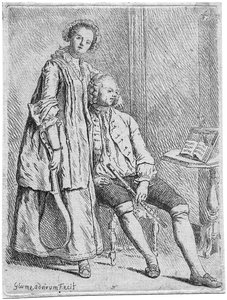
johann michael hoppenhaupt the elder
1709 - , Germany
Quick Facts
- Artistic Movement Or Style: German Baroque Design
- Date Of Birth: 1709
- Full Name: Johann Michael Hoppenhaupt the Elder”
- Nationality: German
- Notable Artworks: ['Design for a Carriage']
- Place Of Birth: Zittau, Germany

