 Preview
 Send
Send Share
Share
 Details

 Download
 Similars
 X-Ray
X-Ray Diaporama
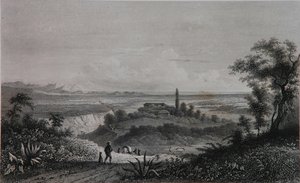
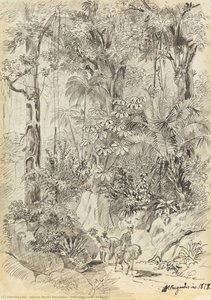
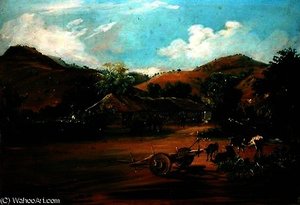
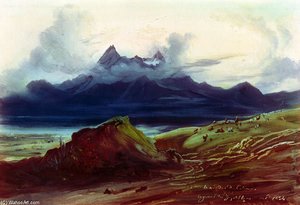
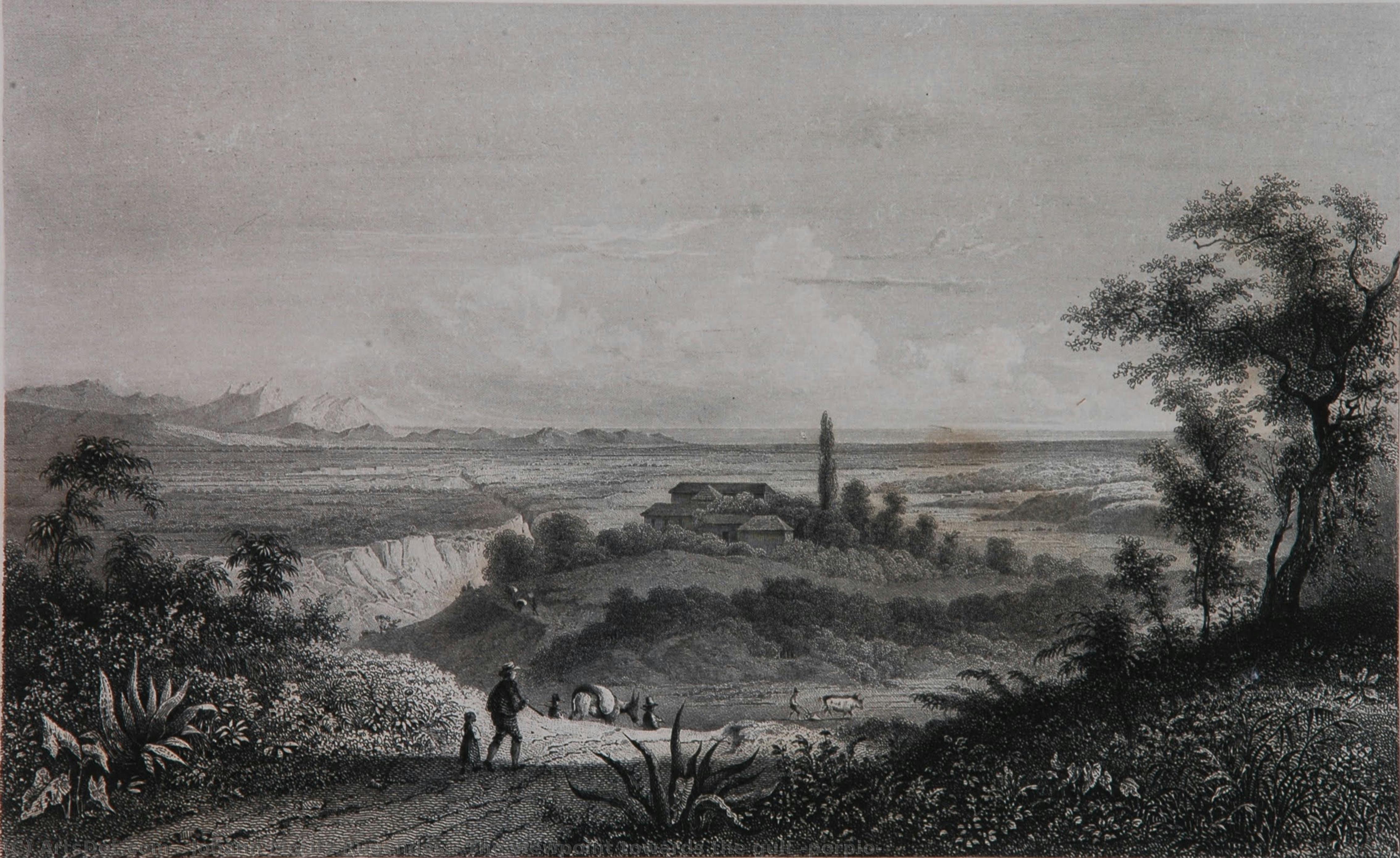
The viewpoint towards the gulf (porpio)
 13.0 x 20.0 cm
 Pinacoteca Universidad de Colima
 Read More
Hand Made Oil Reproduction
Hand-painted oil on canvas in your size and frame, made to order by our artists. ( Buy Print Buy Image)




































Pick from our preset sizes that match the artwork's original proportions.

You may enter your own dimensions to fit a specific frame or space. If your selected size does not match the original image's proportions, we will either crop the artwork or extend the painting with additional hand-painted elements. A digital mockup will be sent for your approval before production begins.
Please note that the on-screen preview does not reflect the actual cropping or extension. Only the mockup will accurately show the final composition.
While custom sizes are available, we recommend selecting a dimension from the predefined list to preserve the original proportions.
After order, ArtsDot.com team will email client for instructions and provide a mockup preview
Worldwide Delivery () in 3/4 weeks instead of standard 5 weeks. (16 August). No compromise on quality.

Free Worldwide Express Shipping

High-Quality Linen Canvas

Full Shipping Insurance

Customs Tax Refund Guarantee

True Color Matching Guarantee

60-Day Return Policy (Defects Only)

100% Money-Back Guarantee

Bulk Discount Offer
 Glass option is only available in size under 110 CM

The viewpoint towards the gulf (porpio)
Reproduction Medium
Reproduction Size
-


Total Price
$ 263
Related Artworks
Artist Biography
The Visionary of Tropical Romanticism
Johann Moritz Rugendas stands as a singular figure in 19th-century art history—a German painter who irrevocably transformed the perception of Latin America through his breathtaking landscapes and meticulously documented ethnographic studies. Born in Augsburg, Bavaria, in 1802, into a family steeped in artistic tradition, Rugendas carried a profound legacy within his bloodline; his great-grandfather, Georg Philipp Rugendas, was already a celebrated battle painter. This lineage instilled in him an unwavering dedication to visual representation and the precision of observation, qualities that would eventually define his extraordinary career as a chronicler of the New World.
His artistic journey commenced with rigorous formal training under Albrecht Adam in Munich, followed by a deeper immersion into the Academy de Arts of Munich where Lorenzo Quaglio II honed his skills. However, Rugendas possessed a spirit that transcended the confines of traditional academic instruction. Recognizing that the classroom alone could not capture the raw essence of the natural world—a conviction fueled by the pioneering scientific spirit of Alexander von Humboldt and the landscape mastery of Thomas Ender—he embarked on a path of independent exploration. This commitment to direct, unmediated observation would prove pivotal in shaping his distinctive style, characterized by vibrant color palettes and an unparalleled sensitivity to the minute details of flora, fauna, and human culture.
A Journey Through the Heart of Brazil
The Brazilian Expedition between 1822 and 1825 represents arguably Rugendas’s most ambitious undertaking and cemented his reputation as one of the most vital European artists to ever visit Latin America. Funded by Baron Freiherr von Langsdorff's scientific expedition, a mission aimed at charting Brazil’s geography, indigenous populations, and natural riches, Rugendas traveled extensively throughout regions such as Minas Gerais and Rio de Janeiro. It was during this period that his work transitioned from mere documentation to a profound expression of Tropical Romanticism.
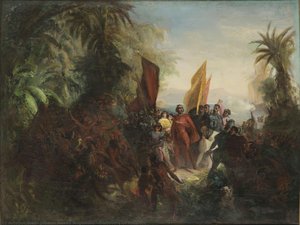
In works such as Embarcation on the Shore, Rio De Janeiro, one can witness his ability to blend maritime detail with the sweeping grandeur of the Brazilian coast. His canvases do not merely depict scenery; they capture the atmosphere of a continent in flux. Beyond the landscapes, Rugendas turned his gaze toward the people, producing portraits and ethnographic studies that captured the dignity of indigenous figures and the complexities of colonial society. Whether through the monochrome precision of a portrait like Padre Antonio Diogo Feijó or the sweeping historical narratives found in Discovery of America, his work serves as a visual bridge between the Old World's academic traditions and the vibrant, untamed energy of the Americas.
Legacy and Historical Significance
The significance of Rugendas lies in his dual role as both an artist and a visual historian. His ability to synthesize the scientific rigor of the Humboldtian era with the emotional depth of Romanticism allowed him to create a body of work that is as much about feeling as it is about fact. He did not simply paint what he saw; he painted the spirit of a landscape. Through his eyes, the lush forests of Brazil and the historical milestones of Mexico were brought to life for a European audience, forever altering the cultural imagination of the West.
Today, the impact of his work continues to resonate within the realms of landscape painting and ethnographic art. His meticulous attention to detail and his mastery of light and color remain a testament to his dedication to truth in art. Rugendas’s legacy is found not only in the museums that house his masterpieces but in the very way we perceive the historical and natural splendor of the Latin American continent.
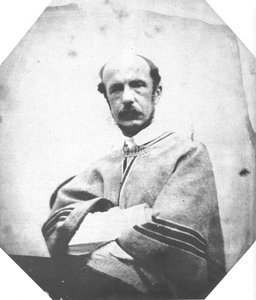
Johann Moritz Rugendas
1802 - 1858 , Germany
Quick Facts
- Artistic Movement Or Style: Biedermeier / Empire; Late Romanticism
- Artists Or Movements Influenced By This Artist: ['Tropical Romanticism']
- Artists Who Influenced This Artist:
- Thomas Ender
- Alexander von Humboldt
- Date Of Birth: March 29, 1802
- Date Of Death: May 29, 1858
- Full Name: Johann Moritz Rugendas
- Nationality: German
- Notable Artworks:
- Rio Jnhomerim
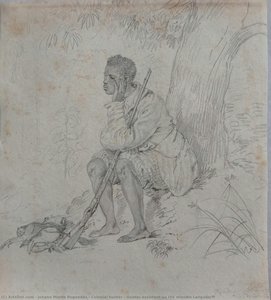
- Colonial hunter
- Place Of Birth: Augsburg, Germany