 Preview
 Send
Send Share
Share
 Details

 Download
 Similars
 X-Ray
X-Ray Diaporama
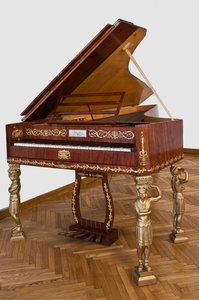
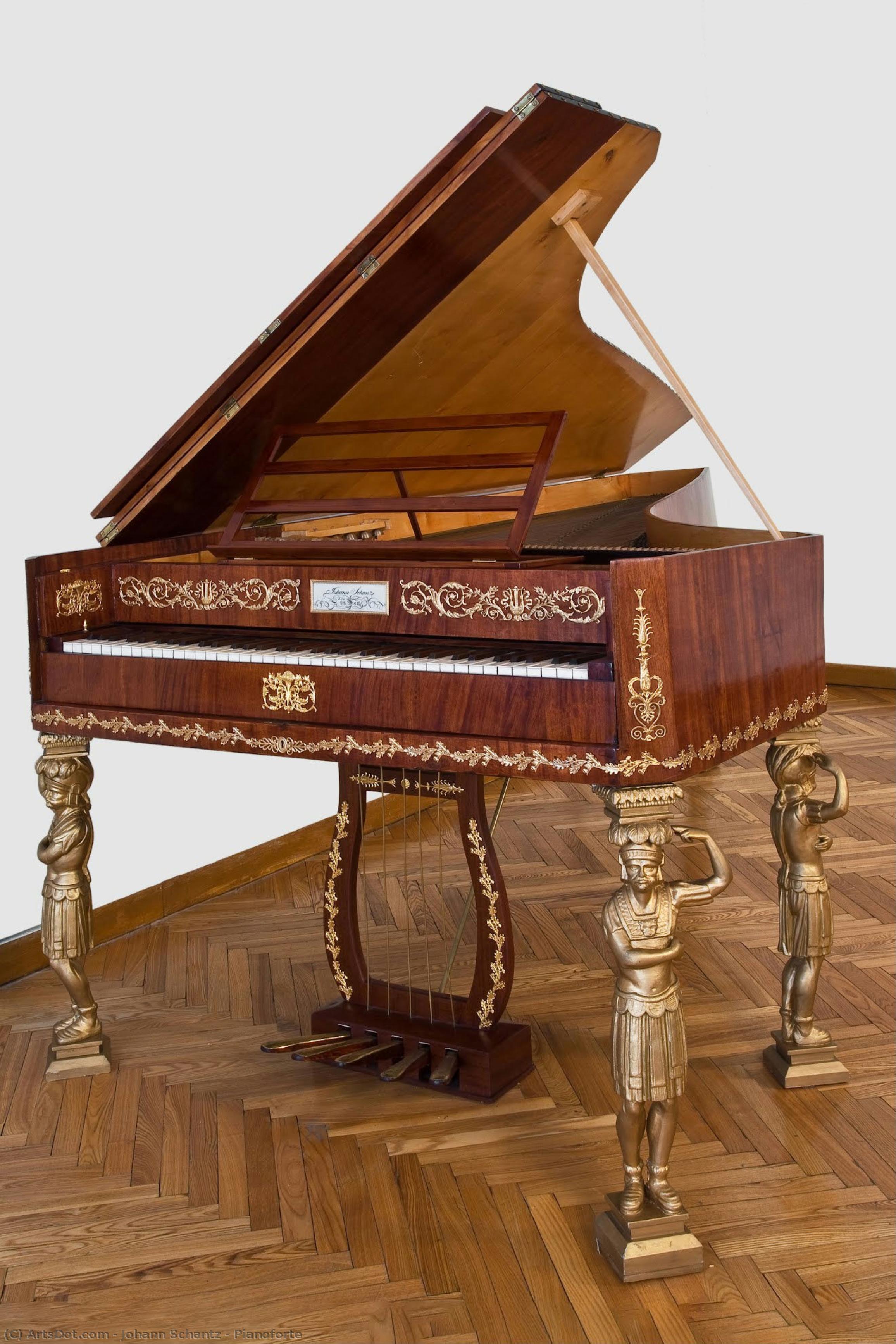
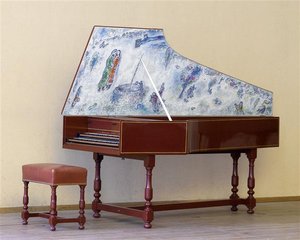
Pianoforte


 Read More
Hand Made Oil Reproduction
Hand-painted oil on canvas in your size and frame, made to order by our artists. ( Buy Print Buy Image)




































Pick from our preset sizes that match the artwork's original proportions.

You may enter your own dimensions to fit a specific frame or space. If your selected size does not match the original image's proportions, we will either crop the artwork or extend the painting with additional hand-painted elements. A digital mockup will be sent for your approval before production begins.
Please note that the on-screen preview does not reflect the actual cropping or extension. Only the mockup will accurately show the final composition.
While custom sizes are available, we recommend selecting a dimension from the predefined list to preserve the original proportions.
After order, ArtsDot.com team will email client for instructions and provide a mockup preview
Worldwide Delivery () in 3/4 weeks instead of standard 5 weeks. (17 August). No compromise on quality.

Free Worldwide Express Shipping

High-Quality Linen Canvas

Full Shipping Insurance

Customs Tax Refund Guarantee

True Color Matching Guarantee

60-Day Return Policy (Defects Only)

100% Money-Back Guarantee

Bulk Discount Offer
 Glass option is only available in size under 110 CM

Pianoforte
Reproduction Medium
Reproduction Size
-


Total Price
$ 263
Related Artworks
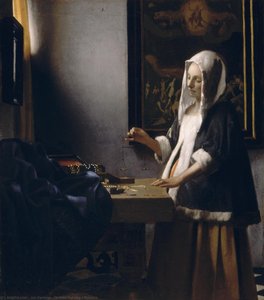
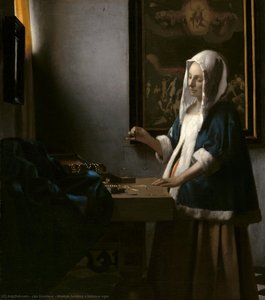

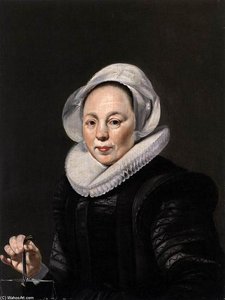
Artist Biography
Johann Georg Bergmüller: A Master of Augsburg’s Frescoes
Johann Georg Bergmüller, born in Türkheim in 1762 and passing away in Augsburg in 1762, stands as a pivotal figure in the history of German Baroque art, particularly renowned for his extraordinary skill in fresco painting. His life was inextricably linked to the artistic landscape of Augsburg, where he not only honed his craft but also profoundly shaped the training of subsequent generations of artists. Bergmüller’s legacy rests primarily on his contributions to the decoration of numerous churches and monasteries throughout Bavaria, imbuing these sacred spaces with vibrant color and dynamic narratives. Bergmüller's artistic journey began within the confines of his father’s cabinet-making workshop, a surprisingly formative experience that instilled in him an appreciation for meticulous craftsmanship and attention to detail – qualities that would later define his fresco technique. He received his initial formal training at the court painter Johann Andreas Wolff’s studio in Munich, immersing himself in the prevailing artistic trends of the era. A crucial period of development followed with a cultural journey to the Netherlands, exposing him to the innovative techniques and compositional approaches prevalent in Flemish painting. This exposure significantly broadened his artistic horizons and informed his subsequent style. Upon returning to Augsburg, Bergmüller quickly established himself as a highly sought-after artist, securing commissions for prominent religious institutions. His work was characterized by a masterful command of color, dynamic composition, and a deep understanding of the principles of perspective. He wasn’t merely replicating biblical scenes; he was animating them with a palpable sense of movement and emotion. Bergmüller's frescoes frequently depicted scenes from the lives of saints, episodes from the Bible, or allegorical representations of Christian virtues – all rendered with remarkable clarity and dramatic impact. Notable examples include his contributions to Ochsenhausen Abbey, Steingaden Abbey, and various other churches throughout the region. These works demonstrate a consistent commitment to quality and an ability to seamlessly integrate decorative elements with theological themes. Bergmüller’s influence extended far beyond his own creations. He served as the Catholic director of the Augsburg Academy, alongside his Protestant counterpart, fostering a collaborative environment that encouraged artistic innovation. His role as a teacher was particularly significant; he mentored numerous talented young artists, including Johann Georg Wolcker, Gottfried Bernhard Göz, and Johann Evangelist Holzer, each of whom went on to develop distinctive styles while retaining elements of Bergmüller’s approach. He meticulously documented his techniques and theories in *Anthropometria*, a comprehensive treatise on the principles of proportion and perspective – a testament to his intellectual curiosity and dedication to artistic pedagogy.Devis: A British Landscape Painter of Subtle Detail
Arthur William Devis (1762–1822), born in London, emerged as a significant figure in 19th-century British landscape painting, distinguished by his meticulous observation and subtle tonal gradations. While often overshadowed by the bolder styles of his contemporaries, Devis’s work possesses a quiet elegance and remarkable atmospheric depth that continues to captivate viewers today. His artistic development was shaped by a diverse range of influences, including the Dutch Masters, particularly Rembrandt van Rijn, whose mastery of light and shadow profoundly impacted Devis's approach to landscape depiction. Devis initially trained under Thomas Phillips, a prominent portrait painter, but quickly gravitated towards landscape subjects. He spent considerable time in the Netherlands during his formative years, immersing himself in the artistic traditions of that region and absorbing its distinctive visual language. This period proved crucial in shaping his understanding of color, composition, and atmospheric perspective – elements he would later incorporate into his own work. Devis’s landscapes are characterized by a remarkable sensitivity to light and shadow, achieved through the skillful manipulation of tonal values. He avoided dramatic contrasts, instead opting for subtle gradations that create a sense of depth and atmosphere.- Key Characteristics: Devis's paintings are renowned for their atmospheric perspective, delicate color palettes, and meticulous attention to detail.
- Subjects: He primarily depicted rural landscapes, often featuring scenes of agricultural activity, woodland settings, and glimpses of the English countryside.
- Influences: Rembrandt van Rijn, Dutch Masters, and the tradition of Dutch landscape painting significantly shaped his artistic style.
Comparing Bergmüller and Devis: Two Masters Across Continents
While separated by geography and artistic traditions, Johann Georg Bergmüller and Arthur William Devis represent fascinating parallels in the development of landscape and fresco painting during the late 18th and early 19th centuries. Both artists demonstrated a profound respect for observation and a meticulous approach to their craft. Bergmüller’s frescoes in Augsburg were characterized by a dynamic, narrative style, while Devis's landscapes prioritized atmospheric depth and subtle tonal variations.- Bergmüller: Focused on large-scale decorative murals, employing bold colors and dramatic compositions to convey religious narratives.
- Devis: Specialized in smaller-format landscape paintings, emphasizing atmospheric perspective and a quiet, contemplative mood.
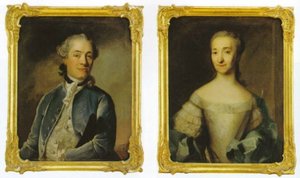
johann schantz
1762 - 1828 , Austria
Quick Facts
- Artistic Movement Or Style: Baroque fresco painter
- Artists Or Movements Influenced By This Artist:
- Johann Georg Wolcker
- Gottfried Bernhard Göz
- Artists Who Influenced This Artist: ['Johann Andreas Wolff']
- Date Of Birth: 1762
- Date Of Death: 1762
- Full Name: Johann Georg Bergmüller
- Nationality: German
- Notable Artworks:
- Ochsenhausen Abbey
- Steingaden Abbey
- Place Of Birth: Türkheim, Bavaria