 Preview
 Send
Send Share
Share
 Details

 Download
 Similars
 X-Ray
X-Ray Diaporama
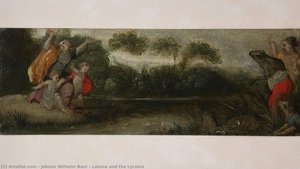
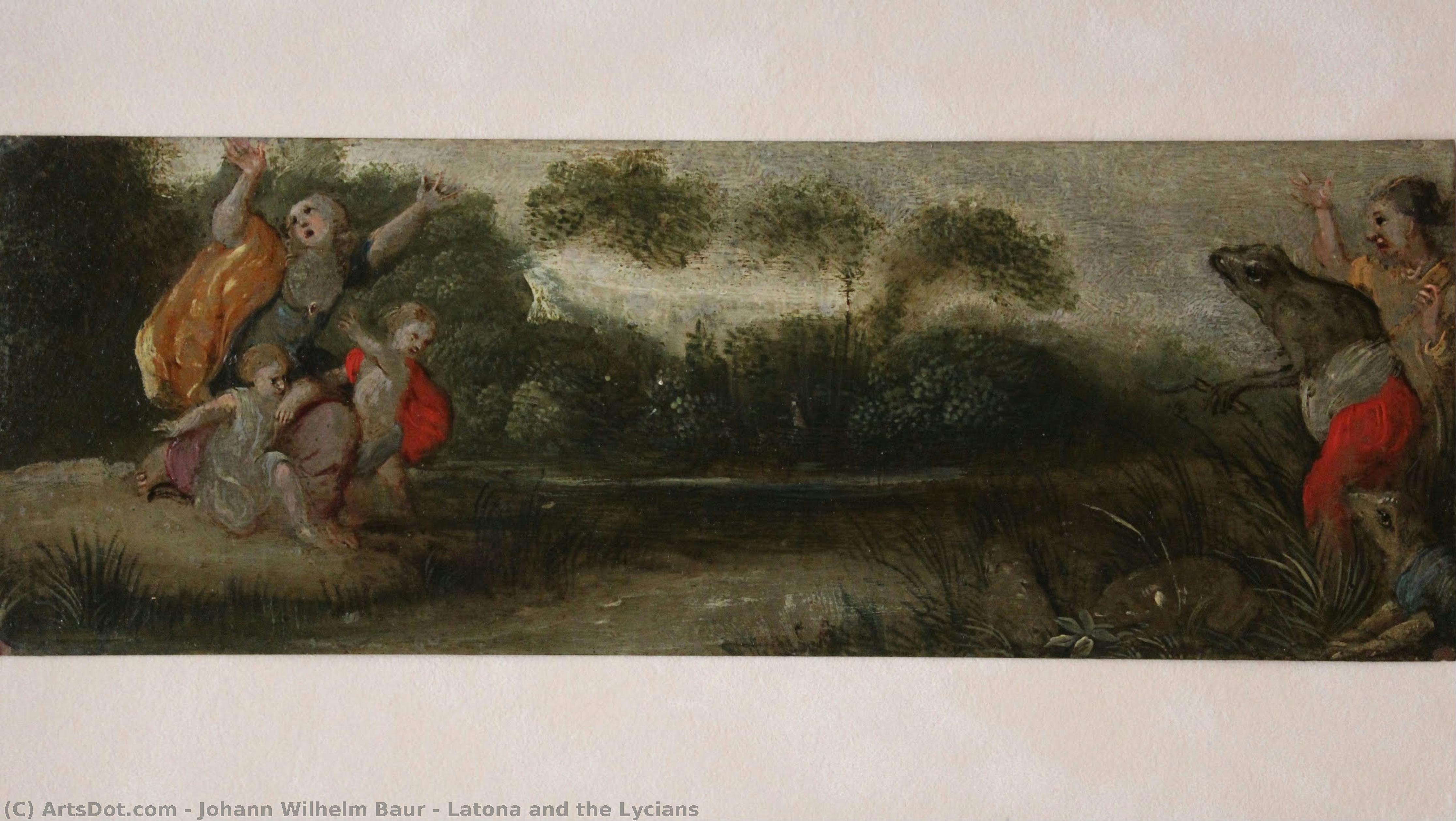
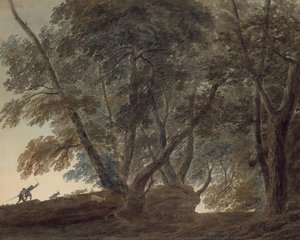
Latona and the Lycians


 Read More
Giclée / Art Print
Museum-quality giclée or canvas print with fast production and flexible finish options. ( Buy Hand Made Painting Buy Image)




































Pick from our preset sizes that match the artwork's original proportions.

You may enter your own dimensions to fit a specific frame or space. If your selected size does not match the original image's proportions, we will either crop the artwork or extend the image with a mirrored or solid-fill edge. A digital mockup will be sent for your approval before production begins.
Please note that the on-screen preview does not reflect the actual cropping or extension. Only the mockup will accurately show the final composition.
While custom sizes are available, we recommend selecting a dimension from the predefined list to preserve the original proportions.
Worldwide Delivery () in 2 weeks instead of standard 4/5 weeks. (30 August)

Free Worldwide Express Shipping

High-Quality Linen Canvas

Full Shipping Insurance

Customs Tax Refund Guarantee

True Color Matching Guarantee

60-Day Return Policy (Defects Only)

100% Money-Back Guarantee

Bulk Discount Offer
 Glass option is only available in size under 110 CM

Latona and the Lycians
Giclée / Art Print
Reproduction Size
-


Total Price
$ 63
Related Artworks






Artist Biography
Johann Wilhelm Baur: Life and Legacy
Early Life and Training
Johann Wilhelm Baur, a renowned German painter and engraver, was born on May 31, 1607, in Strasbourg, France. His artistic journey began under the tutelage of Friedrich Brentel, a prominent artist of the time. This foundational training provided Baur with a solid grounding in drawing, composition, and technique.
Italian Sojourn and Artistic Development
Following his initial education, Baur embarked on an extended tour of Italy – a crucial period for his artistic development. He had the distinct privilege of working for esteemed families such as the Farnese, Colonna, and Borghese. This exposure to Italian art and patronage significantly shaped his style and subject matter. During this time, he honed his skills in both painting and etching.
Artistic Contributions and Innovations
Baur is celebrated for his innovative vedute – highly detailed topographical views of cities and landscapes. These works had a lasting impact on German and European art, influencing subsequent generations of artists. He also excelled in miniatures and etchings, demonstrating a remarkable mastery of technique and an exceptional eye for detail. His peers affectionately nicknamed him “Reiger” (heron) likely referencing his meticulous attention to detail.
Key Themes and Notable Works
Baur’s artistic focus centered heavily on mythological scenes, particularly those drawn from Ovid's Metamorphoses. His paintings often depict dramatic moments of transformation and emotional intensity. Some of his most notable works include:
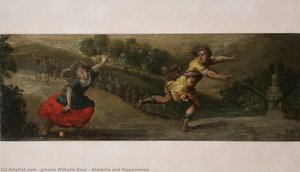
- Atalanta and Hippomenes
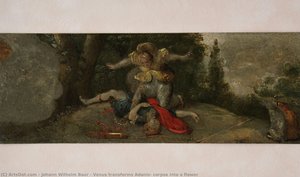
- Venus transforms Adonis’ corpse into a flower
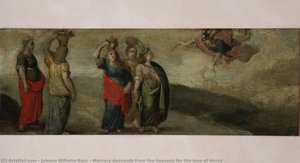
- Mercury descends from the heavens for the love of Herse
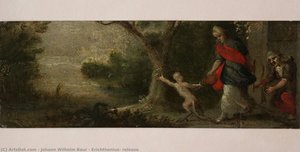
- Erichthonius’ release
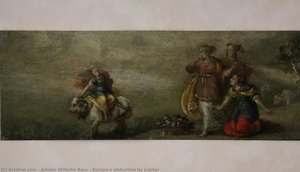
- Europa’s abduction by Jupiter
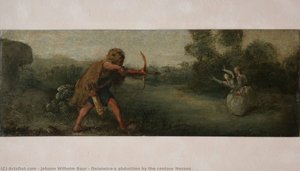
- Deianeira’s abduction by the centaur Nessos
- Latona and the Lycians
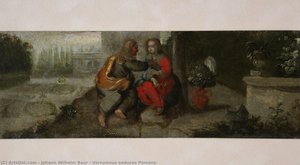
- Vertumnus seduces Pomona
Influences and Legacy
While Friedrich Brentel was his primary early influence, Baur’s time in Italy exposed him to a wider range of artistic styles and masters. The Baroque aesthetic prevalent in Rome and other Italian cities profoundly impacted his work. His innovative vedute paved the way for later topographical painters, and his detailed miniatures influenced portraiture.
Historical Significance and Passing
Johann Wilhelm Baur passed away in Vienna on January 1, 1642. Despite a relatively short life, he left behind a significant body of work that continues to be admired for its technical skill, dramatic composition, and mythological themes. His contributions remain a cherished part of the region's cultural heritage, particularly within the Musée des Beaux-Arts de Strasbourg (France), which houses an impressive collection of his art.
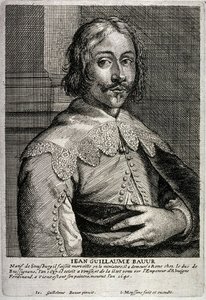
Johann Wilhelm Baur
1607 - 1642 , France
Quick Facts
- Birth Date: May 31, 1607
- Birth Place: Strasbourg, France
- Death Date: January 1, 1642
- Influenced: None, 'influenced by': 'Friedrich Brentel', 'movement': 'Baroque', 'name': 'Johann Wilhelm Baur', 'nationality': 'German', 'notable works': ['Atalanta and Hippomenes',