 Preview
 Send
Send Share
Share
 Details

 Download
 Similars
 X-Ray
X-Ray Diaporama
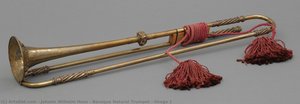
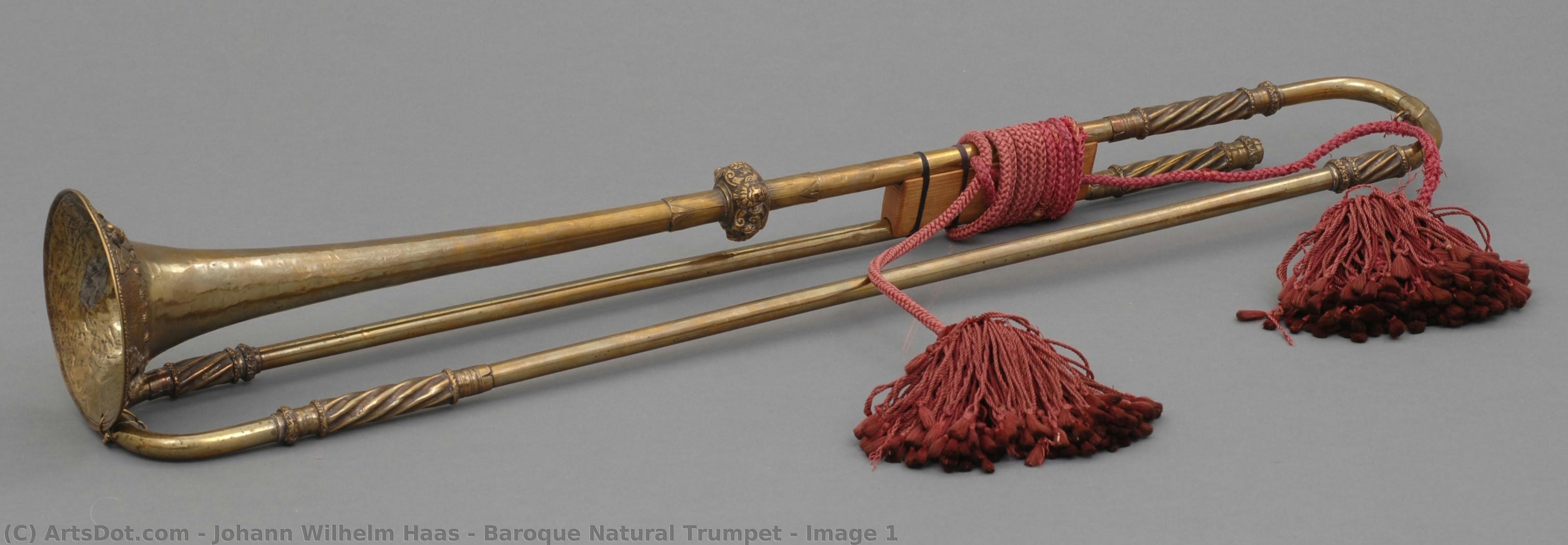
Baroque Natural Trumpet - Image 1


 Read More
Hand Made Oil Reproduction
Hand-painted oil on canvas in your size and frame, made to order by our artists. ( Buy Print Buy Image)




































Pick from our preset sizes that match the artwork's original proportions.

You may enter your own dimensions to fit a specific frame or space. If your selected size does not match the original image's proportions, we will either crop the artwork or extend the painting with additional hand-painted elements. A digital mockup will be sent for your approval before production begins.
Please note that the on-screen preview does not reflect the actual cropping or extension. Only the mockup will accurately show the final composition.
While custom sizes are available, we recommend selecting a dimension from the predefined list to preserve the original proportions.
After order, ArtsDot.com team will email client for instructions and provide a mockup preview
Worldwide Delivery () in 3/4 weeks instead of standard 5 weeks. (23 August). No compromise on quality.

Free Worldwide Express Shipping

High-Quality Linen Canvas

Full Shipping Insurance

Customs Tax Refund Guarantee

True Color Matching Guarantee

60-Day Return Policy (Defects Only)

100% Money-Back Guarantee

Bulk Discount Offer
 Glass option is only available in size under 110 CM

Baroque Natural Trumpet - Image 1
Reproduction Medium
Reproduction Size
-


Total Price
$ 263
Related Artworks

Artist Biography
Johann Wilhelm Haas: The Nightingale of Nuremberg
Born in the heart of Nuremberg in 1649, Johann Wilhelm Haas wasn’t merely a trumpet maker; he was a craftsman deeply intertwined with the musical and social fabric of 17th-century Germany. His legacy isn't found solely in the gleaming brass instruments bearing his signature, but also within the correspondence that documented their refinement and the courts where they resonated – a testament to his skill and influence. Haas’s story is one of family tradition, meticulous craftsmanship, and a profound understanding of acoustics, all culminating in trumpets that were considered the pinnacle of baroque instrument design.
Haas belonged to a lineage of brass instrument makers, tracing its roots back through generations within the Haas family – a dynasty renowned for their expertise in Nuremberg. His father and grandfather had served as guards for the city’s night watch, utilizing trumpets to signal the changing of the guard, an experience that likely instilled in young Johann a deep appreciation for the instrument's role in public life. This familial connection provided him with a foundational knowledge of brassworking, setting the stage for his own remarkable career. He apprenticed under Hanns Hainlein, a respected Nuremberg craftsman known for his skill and innovation, further honing his techniques.
The Art of the Baroque Trumpet
Haas’s trumpets were not simply functional instruments; they were works of art in themselves. The baroque period demanded an aesthetic as well as a sonic quality, and Haas expertly blended both. His trumpets were characterized by their elegant curves, intricate engravings – often depicting leaves, flowers like tulips, and even pomegranates – and meticulously crafted bell rims. These embellishments weren’t merely decorative; they reflected the wealth and status of the courts that commissioned them. The production of these instruments was strictly governed by a guild system in Nuremberg, ensuring quality control and upholding traditional standards. Haas's mastery allowed him to not only meet but exceed these expectations.
Crucially, Haas’s trumpets were renowned for their exceptional tone – a characteristic that earned him considerable acclaim across Germany. Court purveyors regularly exchanged letters with him regarding repairs, replacements, and adjustments, demonstrating the high regard in which his instruments were held. These correspondences offer invaluable insights into the technical aspects of trumpet making during this period, revealing Haas’s dedication to achieving optimal resonance and projection. He even inscribed his signature on the instruments he repaired and replaced, a subtle but significant mark of his ownership and pride.
A Legacy in Sound and Craftsmanship
The impact of Johann Wilhelm Haas extends far beyond the individual instruments he created. His family’s legacy continued through his son, Wolf Wilhelm Haas, and grandson, Ernst Johann Conrad Haas – each carrying on the tradition of crafting exceptional brass instruments. Wolf and Ernst Haas, like their father, signed their work with Haas's name, a deliberate choice that solidified the family’s reputation for quality and craftsmanship. These three generations collectively produced over 60 trumpets, 7 horns, and 2 trombones, many of which are now treasured possessions in museums worldwide, including the Metropolitan Museum of Art, the Bavarian National Museum, and the Trompetenmuseum in Säckingen.
The instruments themselves offer a fascinating glimpse into the musical landscape of 17th and 18th-century Europe. They were integral to court music, military ceremonies, and public announcements – serving as vital communication tools and symbols of power. Haas’s trumpets weren't just instruments; they were conduits for sound, shaping the cultural experience of their time. His work stands as a remarkable achievement in brass instrument making, representing a high point of craftsmanship and artistic expression during the baroque era.
Further Exploration
To delve deeper into the life and work of Johann Wilhelm Haas, consider exploring these resources:

johann wilhelm haas
1649 - 1723 , Germany
Quick Facts
- Artistic Movement Or Style: Baroque
- Artists Or Movements Influenced By This Artist: ['Court Music']
- Artists Who Influenced This Artist: ['Hanns Hainlein']
- Date Of Birth: 1649
- Date Of Death: 1723
- Full Name: Johann Wilhelm Haas
- Nationality: German
- Notable Artworks: ['Natural Trumpet']
- Place Of Birth: Nuremberg, Germany
Related Articles

Baroque Drama: Bringing Opulence & Emotion into Contemporary Interiors
Explore the opulent world of Baroque interior design! Discover key elements, modern applications & how to bring dramatic elegance into your home with 's authentic reproductions.

The Dramatic Flourish: Exploring the Baroque Movement's Enduring Legacy in Art History
Explore the dramatic world of Baroque art! Discover iconic artists like Caravaggio & Rubens, defining techniques, and its lasting impact on art history. Expert insights for collectors & enthusiasts at ArtsDot.

Baroque Masterpieces: 10 Paintings That Defined an Era |
Journey through the drama & grandeur of Baroque art! Explore 10 masterpieces by Caravaggio, Rembrandt, Rubens & more. Discover stunning oil paintings, rich colors & timeless stories. Find museum-quality reproductions at .

Dutch Baroque Masters: 10 Paintings That Shaped an Era | ArtsDot
Journey through the Golden Age with our guide to the Top 10 Dutch Baroque masterpieces! Explore iconic paintings by Rembrandt, Vermeer & Frans Hals. Find museum-quality art reproductions and elevate your home decor at ArtsDot.com.

The Visceral Stage: Exploring Dramatic Narratives & Emotional Intensity in Baroque Art
Explore the dramatic world of Baroque art! Discover iconic masters like Caravaggio & Rembrandt, their techniques, and the movement's lasting impact. Expert insights for collectors & enthusiasts at ArtsDot.