

 Preview
 Send
Send Share
Share
 Details

 Download
 Similars
 X-Ray
X-Ray Diaporama
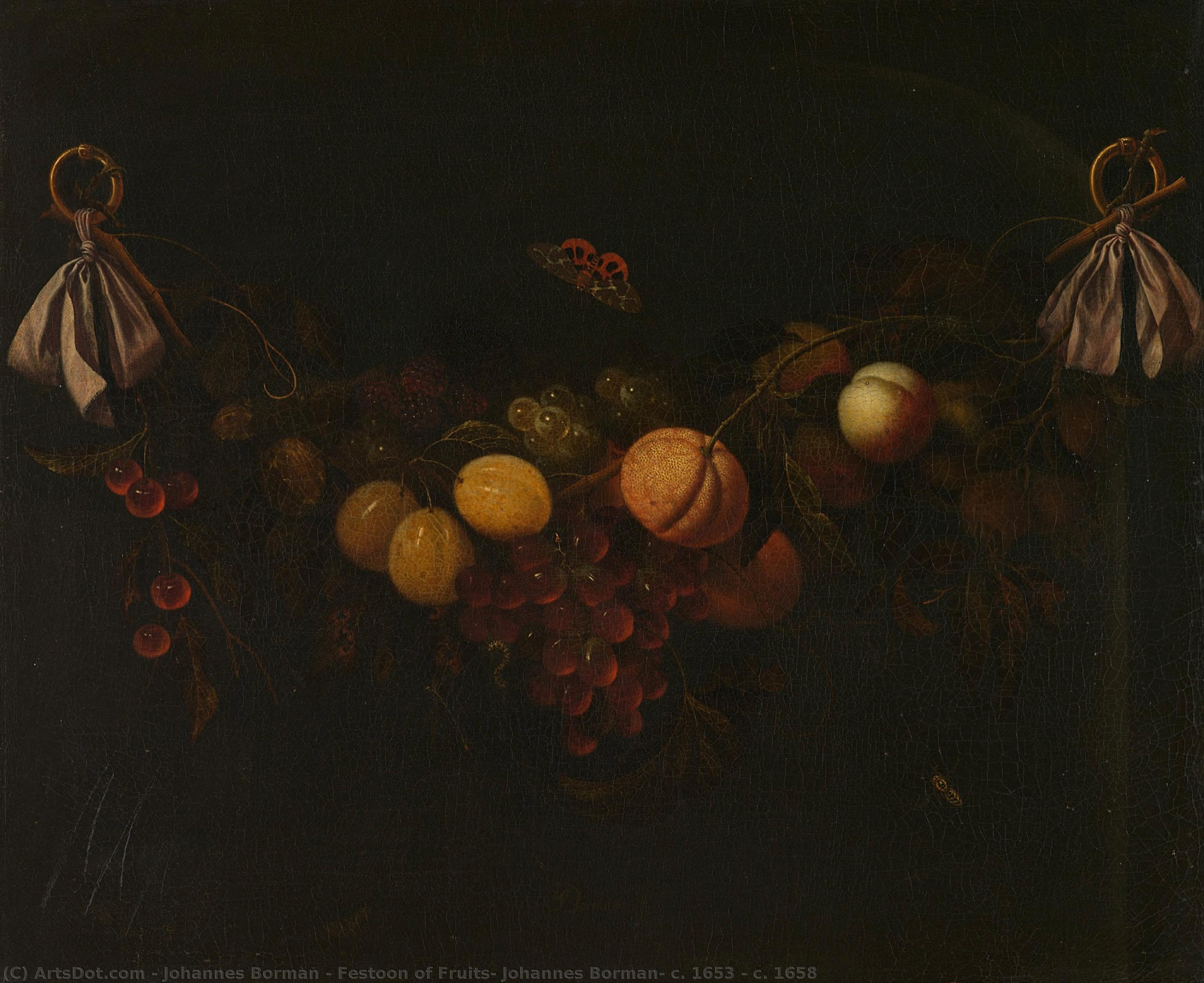
Festoon of Fruits, Johannes Borman, c. 1653 - c. 1658
 1658
1658 60.0 x 74.0 cm
 Read More
Purchase a high-resolution, enhanced digital image, far superior to the online preview.
Each file is meticulously prepared by our in-house specialists using advanced tools and expert manual retouching. We ensure every image has exceptional clarity, precise color accuracy, and fine detail.
The final file is delivered via email within 72 hours, optimized for immediate use in professional, editorial, and print environments. This is the same quality trusted by top-tier design studios, publishers, and galleries.
Digital Image
Download a high-resolution file for personal display, printing, and creative projects. ( Buy Print Buy Hand Made Painting)
Included in Every Digital Image Order
Expert Digital Delivery, Guaranteed
When you choose ArtsDot.com, you're not just getting an image - you're receiving a professionally enhanced digital artwork, crafted with precision and backed by a satisfaction guarantee. Here's everything that comes with your order, automatically:

Fast Email Delivery
Your high-resolution digital image file will be emailed to you within 72 hours of ordering - ready for immediate use.

AI-Enhanced Digital File
Your artwork is professionally optimized using advanced AI tools and manual editing, ensuring maximum detail, clarity, and color accuracy.

Free Lifetime Re-Delivery
Accidentally deleted or lost your file? No worries - we'll resend it to you anytime, free of charge.

No Import Fees - Ever
Enjoy your artwork instantly with zero customs, duties, or delivery fees - digital downloads are always tax-free.

Color Accuracy Guarantee
We ensure your digital image reflects the original colors as closely as possible using professional tools and color management.

60-Day Satisfaction Guarantee
If you're not satisfied with your digital image, we'll revise it or refund 100% within 60 days - no questions asked.

100% Money-Back Guarantee
Not satisfied? Get a full refund within 60 days of receiving your digital file - no questions asked.

Bulk Order Discounts
Buy 3 images, save 10% - Buy 5, save 15% - Buy 10+, save 20%. Great for creative projects, galleries, and agencies.
Related Artworks



Artist Biography
The Still Life Specialist: Johannes Borman and the Golden Age of Dutch Painting
Johannes Borman, a name perhaps less immediately recognizable than some of his contemporaries in the illustrious circle of 17th-century Dutch painters, nevertheless occupies a significant position within the specialized genre of still life. Born around 1653 – the exact date remains elusive – and passing away sometime after 1658, Borman’s career was remarkably concentrated, yet intensely productive during a brief period in Leiden. His work exemplifies the meticulous realism and symbolic depth that characterized Dutch Golden Age painting, particularly its exploration of material abundance and the fleeting nature of earthly pleasures. While biographical details are scarce, piecing together information from archival records and stylistic analysis allows us to glimpse the life and artistry of this dedicated still life master.A Leiden Workshop and Early Influences
Borman’s artistic journey unfolded primarily within the city of Leiden, a thriving center for painting in the Dutch Republic. He is documented as having been active as a painter there between 1653 and 1658, operating a workshop that suggests he had already established himself as a skilled artisan. The precise nature of his training remains unknown; however, stylistic affinities point to influences from painters like Willem van Aelst and Jan Davidsz. de Heem, both renowned for their opulent still lifes brimming with exotic fruits, flowers, and luxurious objects. Van Aelst’s compositional clarity and de Heem's dramatic use of light likely shaped Borman’s early approach. It is also plausible that he benefited from the broader artistic milieu in Leiden, absorbing techniques and motifs prevalent within local painting circles. The emphasis on detailed rendering and a refined palette evident in his work suggests a commitment to the highest standards of craftsmanship valued by Dutch patrons.The Festoon as Signature Style
Borman quickly developed a distinctive style centered around the *festoon* – a decorative arrangement of draped fruits, flowers, and foliage often suspended from ribbons or ledges. This compositional device allowed him to showcase his exceptional ability to depict textures, colors, and forms with astonishing accuracy. His paintings are characterized by a rich, dark background that serves to accentuate the vibrant luminosity of the objects displayed. Unlike some still life painters who incorporated elaborate narratives or moralizing symbols, Borman’s work generally focuses on the sheer beauty and sensual appeal of his subjects. However, even in these seemingly straightforward depictions of material wealth, subtle symbolic undertones can be detected. The inclusion of specific fruits, for example – grapes representing wine and communion, peaches symbolizing longevity – hints at deeper meanings related to prosperity, abundance, and the transience of life.Technical Mastery and Artistic Legacy
Borman’s technical skill was exceptional. He employed a meticulous layering technique, building up forms with delicate brushstrokes and glazes to create an illusion of three-dimensionality. His ability to capture the subtle sheen of fruit skin, the velvety texture of flower petals, and the reflective qualities of glass and metal is truly remarkable. The paintings possess a tactile quality that invites close inspection, drawing the viewer into a world of sensory delight. Although his career was relatively short, Borman produced a substantial body of work – approximately twenty known paintings are attributed to him today. His influence, while not as widespread as some of his more famous contemporaries, is discernible in the works of other Leiden still life painters who followed in his footsteps. He represents a fascinating example of specialization within the Dutch Golden Age art world, demonstrating how artists could achieve renown through dedication to a particular subject matter and mastery of technique. His paintings continue to be admired for their exquisite beauty, technical brilliance, and evocative representation of 17th-century Dutch life and values.Rediscovering Borman: Historical Significance
For many years, Johannes Borman remained an obscure figure in the history of Dutch painting. Attributions were uncertain, and his work was often misattributed to other artists. However, recent scholarship has shed new light on his life and artistry, establishing him as a significant – if somewhat enigmatic – master of still life. His paintings offer valuable insights into the tastes and preferences of Dutch patrons during the Golden Age, reflecting their appreciation for luxury goods, refined craftsmanship, and symbolic meaning. The rediscovery of Borman’s work underscores the importance of ongoing research in art history, revealing hidden talents and enriching our understanding of this pivotal period in European art. His legacy lies not only in the beauty of his paintings but also in his contribution to the development of still life as a distinct and highly valued genre.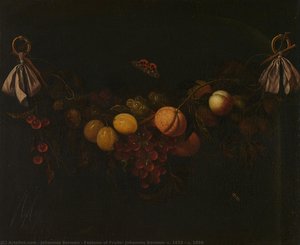
Quick Facts
- Artistic Movement Or Style: Still life painting
- Date Of Death: Living
- Full Name: Johannes Borman
- Notable Artworks: ['Festoon of Fruits']

