 Preview
 Send
Send Share
Share
 Details

 Download
 Similars
 X-Ray
X-Ray Diaporama
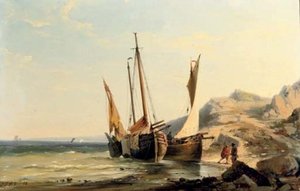
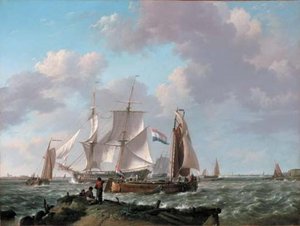
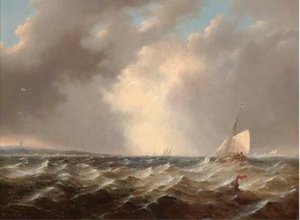
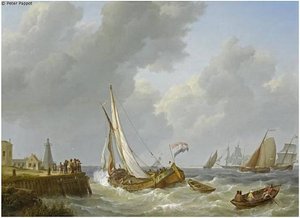
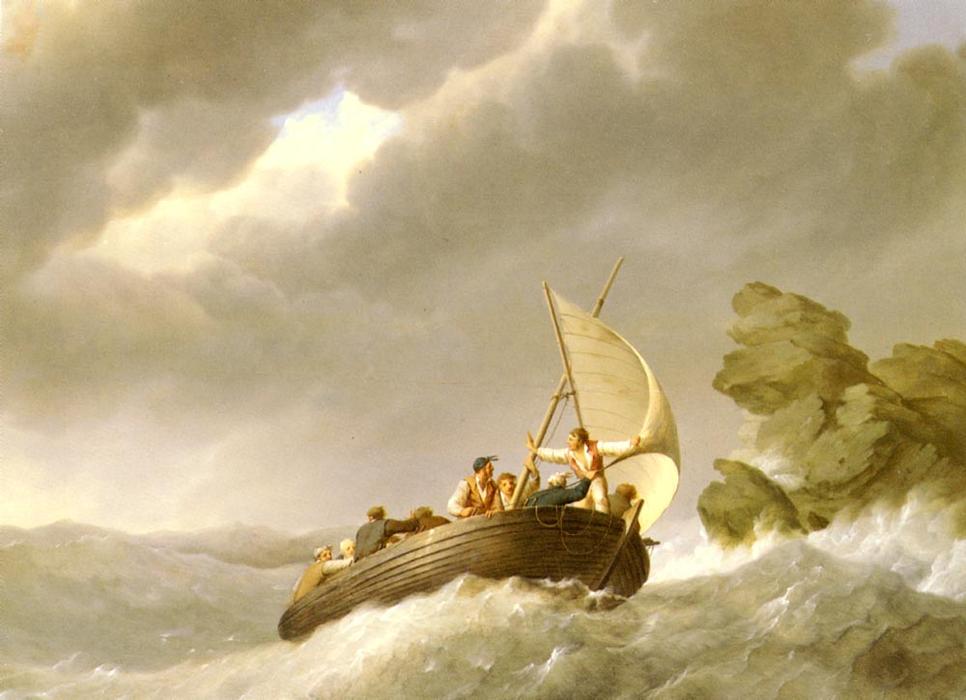
Sailing The Stormy Seas
 Read More
Hand Made Oil Reproduction
Hand-painted oil on canvas in your size and frame, made to order by our artists. ( Buy Print Buy Image)




































Pick from our preset sizes that match the artwork's original proportions.

You may enter your own dimensions to fit a specific frame or space. If your selected size does not match the original image's proportions, we will either crop the artwork or extend the painting with additional hand-painted elements. A digital mockup will be sent for your approval before production begins.
Please note that the on-screen preview does not reflect the actual cropping or extension. Only the mockup will accurately show the final composition.
While custom sizes are available, we recommend selecting a dimension from the predefined list to preserve the original proportions.
After order, ArtsDot.com team will email client for instructions and provide a mockup preview
Worldwide Delivery () in 3/4 weeks instead of standard 5 weeks. (16 August). No compromise on quality.

Free Worldwide Express Shipping

High-Quality Linen Canvas

Full Shipping Insurance

Customs Tax Refund Guarantee

True Color Matching Guarantee

60-Day Return Policy (Defects Only)

100% Money-Back Guarantee

Bulk Discount Offer
 Glass option is only available in size under 110 CM

Sailing The Stormy Seas
Reproduction Medium
Reproduction Size
-


Total Price
$ 388
Related Artworks

Artist Biography
Johannes Hermanus Barend Koekkoek: A Window into 19th-Century Holland
Johannes Hermanus Barend Koekkoek, born in Amsterdam in 1840, was a Dutch painter whose serene and meticulously observed landscapes offer a poignant glimpse into the daily rhythms of life along the Dutch coast during the 19th century. His work, characterized by its quiet realism and subtle atmospheric effects, has earned him a place among the significant figures of Dutch landscape painting. Koekkoek’s art isn't merely depictions of scenery; it’s a carefully constructed narrative of rural life, capturing the essence of a vanishing world.
Koekkoek’s early artistic development remains somewhat shrouded in mystery, though he began his career as a lithographer. This experience undoubtedly honed his observational skills and attention to detail – qualities that would later become hallmarks of his painting style. He transitioned fully to painting around 1870, quickly establishing himself with scenes of fishing boats, harbors, and the simple routines of coastal communities. Unlike many of his contemporaries who favored grand historical or mythological subjects, Koekkoek focused on the familiar, elevating the commonplace to a level of profound beauty.
The Language of Light and Water
Koekkoek’s technique is remarkably consistent and deeply rooted in the principles of Dutch Realism. He was particularly adept at capturing the effects of light upon water – a skill that demanded years of patient observation. His paintings are often bathed in a soft, diffused light, reminiscent of early morning or late afternoon, creating an atmosphere of tranquility and introspection. He employed a limited palette, primarily consisting of muted blues, greens, browns, and ochres, to achieve this effect. The use of broken color – layering thin washes of paint to create subtle gradations and atmospheric depth – is particularly noticeable in his seascapes.
Furthermore, Koekkoek’s compositions are carefully balanced, often featuring a central element—a boat, a fisherman, or a group of figures—placed against a vast expanse of sky and water. This compositional strategy draws the viewer's eye into the scene, inviting contemplation on the relationship between humanity and nature. His meticulous attention to detail extends beyond the grand vistas; he also captured the textures of weathered wood, rough clothing, and the subtle expressions on the faces of his subjects.
Subjects of Daily Life
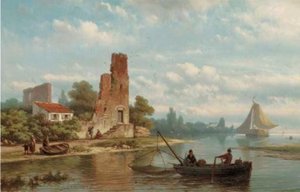
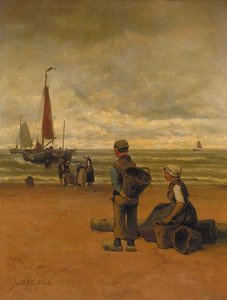
Koekkoek’s most enduring legacy lies in his depictions of everyday life along the Dutch coast. His paintings frequently feature fishermen returning from their labors, families gathered around hearths, and children playing in the streets. These scenes are not idealized or romanticized; they present a realistic portrayal of rural existence, reflecting the hard work, simple pleasures, and close-knit communities that characterized this region. Works like “Fisherman” and "Fishermen On A Jetty Overlooking A River Estuary, A Castle Beyond" exemplify his ability to imbue these ordinary subjects with a sense of dignity and beauty.
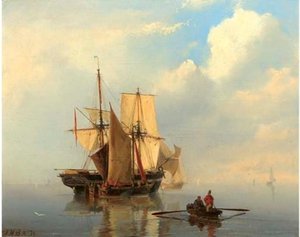
The artist’s fascination with boats is evident throughout his oeuvre. He meticulously rendered the details of each vessel – its rigging, hull, and sails – conveying not only their physical appearance but also the spirit of seafaring life. These paintings are more than just representations of boats; they are symbols of livelihood, tradition, and connection to the sea.
Historical Significance and Legacy
Johannes Koekkoek’s work gained recognition during his lifetime, though he never achieved widespread fame or fortune. His paintings were exhibited in major Dutch art salons and acquired by private collectors and museums. Today, his works are valued for their quiet beauty, technical skill, and evocative portrayal of a bygone era. He stands as a key figure in the development of Dutch landscape painting, offering a unique perspective on the relationship between humanity and the natural world.
Koekkoek’s art provides a valuable window into 19th-century Holland – a time of profound social and economic change, marked by the decline of traditional rural life. His paintings serve as a poignant reminder of a way of life that is increasingly rare today, inviting us to reflect on our own connection to nature and the rhythms of daily existence.
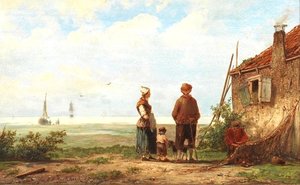
johannes hermann barend koekkoek
1840 - 1912 , Netherlands
Quick Facts
- Artistic Movement Or Style: Coastal landscapes
- Date Of Birth: 1840, Amsterdam, Netherlands
- Date Of Death: 1912
- Full Name: Johannes Hermann Barend Koekkoek
- Nationality: Dutch
- Notable Artworks:
- Fisherman
- Fishermen On A Jetty
- Sea Piece
- Place Of Birth: Amsterdam, Netherlands