


 Preview
 Send
Send Share
Share
 Details

 Download
 Similars
 X-Ray
X-Ray Diaporama
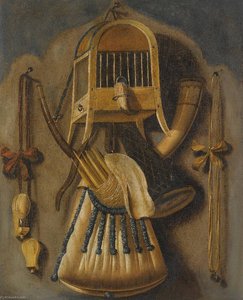
A trompe l'oeil still life of a bird cage with hunting paraphernalia
 109.0 x 130.0 cm
 Read More
Purchase a high-resolution, enhanced digital image, far superior to the online preview.
Each file is meticulously prepared by our in-house specialists using advanced tools and expert manual retouching. We ensure every image has exceptional clarity, precise color accuracy, and fine detail.
The final file is delivered via email within 72 hours, optimized for immediate use in professional, editorial, and print environments. This is the same quality trusted by top-tier design studios, publishers, and galleries.
Digital Image
Download a high-resolution file for personal display, printing, and creative projects. ( Buy Print Buy Hand Made Painting)
Included in Every Digital Image Order
Expert Digital Delivery, Guaranteed
When you choose ArtsDot.com, you're not just getting an image - you're receiving a professionally enhanced digital artwork, crafted with precision and backed by a satisfaction guarantee. Here's everything that comes with your order, automatically:

Fast Email Delivery
Your high-resolution digital image file will be emailed to you within 72 hours of ordering - ready for immediate use.

AI-Enhanced Digital File
Your artwork is professionally optimized using advanced AI tools and manual editing, ensuring maximum detail, clarity, and color accuracy.

Free Lifetime Re-Delivery
Accidentally deleted or lost your file? No worries - we'll resend it to you anytime, free of charge.

No Import Fees - Ever
Enjoy your artwork instantly with zero customs, duties, or delivery fees - digital downloads are always tax-free.

Color Accuracy Guarantee
We ensure your digital image reflects the original colors as closely as possible using professional tools and color management.

60-Day Satisfaction Guarantee
If you're not satisfied with your digital image, we'll revise it or refund 100% within 60 days - no questions asked.

100% Money-Back Guarantee
Not satisfied? Get a full refund within 60 days of receiving your digital file - no questions asked.

Bulk Order Discounts
Buy 3 images, save 10% - Buy 5, save 15% - Buy 10+, save 20%. Great for creative projects, galleries, and agencies.
Related Artworks





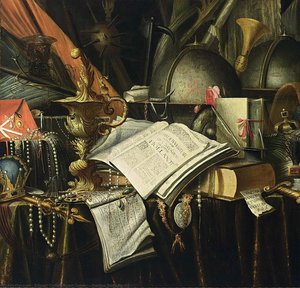
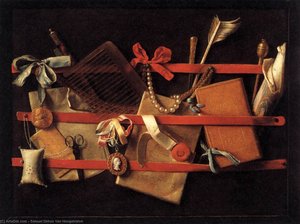


Artist Biography
A Master of Illusion: The Life and Art of Johannes Leemans
Johannes Leemans, born in The Hague in 1633 and passing away there in 1688, occupies a fascinating niche within the vibrant landscape of Dutch Golden Age painting. While not as widely celebrated as some of his contemporaries, Leemans carved out a distinctive reputation for himself through his captivating *trompe l'oeil* still lifes—works that playfully blurred the boundaries between art and reality. His paintings weren’t merely depictions of objects; they were meticulously crafted illusions designed to deceive the eye and invite contemplation on themes of mortality, luxury, and the fleeting nature of earthly possessions. Leemans’s life, though somewhat sparsely documented, reveals a man who skillfully balanced artistic pursuits with practical commerce, adding another layer of intrigue to his creative output. He wasn't solely dedicated to canvas; records indicate he was also a wine dealer, a profession that perhaps informed his appreciation for the finer things in life—a sensibility often reflected in his art.The Allure of Hunting Paraphernalia and Vanitas
Leemans’s artistic focus centered on still lifes featuring hunting scenes and *vanitas* compositions. These weren't simply arrangements of game, weaponry, and birdcages; they were carefully constructed narratives imbued with symbolic meaning. The hunting implements—horns, whistles, traps—represented the pursuit of pleasure and earthly desires. Birdcages, often depicted with open doors or escaped birds, alluded to freedom and the transience of life. The *vanitas* element, a common motif in 17th-century Dutch painting, served as a poignant reminder of mortality. Skulls, wilting flowers, extinguished candles—these symbols underscored the ephemeral nature of beauty, wealth, and existence itself. Leemans’s skill lay in rendering these objects with astonishing realism, creating an almost photographic quality that heightened their symbolic impact. He possessed a remarkable ability to capture textures – the sheen of polished metal, the rough grain of wood, the delicate feathers of a bird—drawing viewers into a world where illusion and reality seamlessly converged.Family Ties and Artistic Influences
Johannes Leemans wasn’t working in isolation. He was the younger brother of Anthonie Leemans, another painter specializing in similar themes. While distinguishing between their individual works can sometimes be challenging, it's clear that both artists shared a common aesthetic sensibility and likely influenced each other’s development. Arnold Houbraken, a prominent 18th-century art historian, noted the brothers’ success in creating profitable paintings of hunting paraphernalia. Beyond his brother, Leemans’s work demonstrates an awareness of broader artistic trends within the Dutch Golden Age still life tradition. He was particularly influential on Christoffel Pierson, whose popularity benefited from the established appeal of the subject matter pioneered by Leemans and his sibling. The meticulous detail and realistic rendering characteristic of Leemans's style likely drew inspiration from earlier masters like Willem Claesz Heda and Pieter Claesz, though he developed a unique voice within this tradition.A Life Between The Hague and Amsterdam
Although primarily based in The Hague throughout his career, Johannes Leemans registered as a painter in Amsterdam in 1671. This brief sojourn suggests a desire to expand his market or perhaps engage with the broader artistic community of the capital city. However, he soon returned to The Hague, where he continued to produce paintings that found favor among local collectors. The fact that he simultaneously pursued a career as a wine dealer speaks to a pragmatic side of his personality—a willingness to supplement his income and navigate the complexities of the art market. This dual existence may have also provided him with access to valuable props and subject matter for his still lifes, further enriching the visual vocabulary of his work.Legacy and Historical Significance
Johannes Leemans’s legacy lies in his masterful execution of *trompe l'oeil* painting and his ability to imbue seemingly simple objects with profound symbolic meaning. His works offer a fascinating glimpse into the cultural values and anxieties of 17th-century Dutch society—a world preoccupied with wealth, mortality, and the pursuit of pleasure. While he may not be a household name today, Leemans’s paintings continue to captivate viewers with their deceptive realism and thought-provoking themes. They serve as a testament to the enduring power of illusion and the ability of art to reflect—and challenge—our perceptions of reality.- Key Characteristics: Trompe l'oeil technique, realistic rendering, hunting still lifes, vanitas compositions.
- Influences: Anthonie Leemans (brother), Willem Claesz Heda, Pieter Claesz.
- Notable Subjects: Birdcages, weaponry, game, wine glasses, skulls, wilting flowers.
johannes leemans
1633 - 1688
Quick Facts
- Artistic Movement Or Style: Dutch Golden Age painting
- Artists Or Movements Influenced By This Artist: ['Christoffel Pierson']
- Date Of Birth: 1633
- Date Of Death: 1688
- Full Name: Johannes Leemans
- Nationality: Dutch
- Notable Artworks:
- Still Life with Implements...
- Trompe l'oeil still life...
- A trompe l'oeil still life...
- Place Of Birth: The Hague, Netherlands

