 Preview
 Send
Send Share
Share
 Details

 Download
 Similars
 X-Ray
X-Ray Diaporama
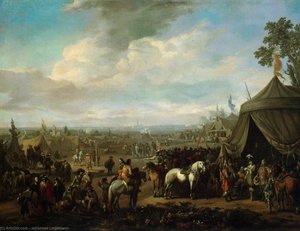
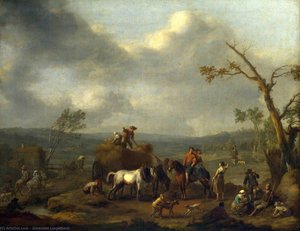
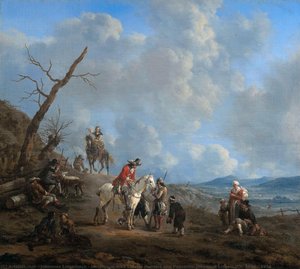
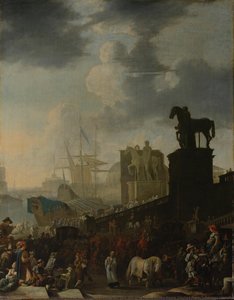
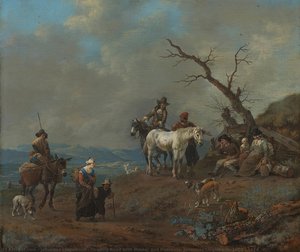
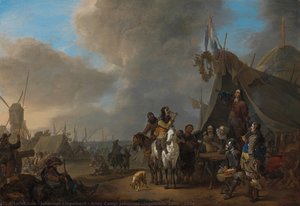
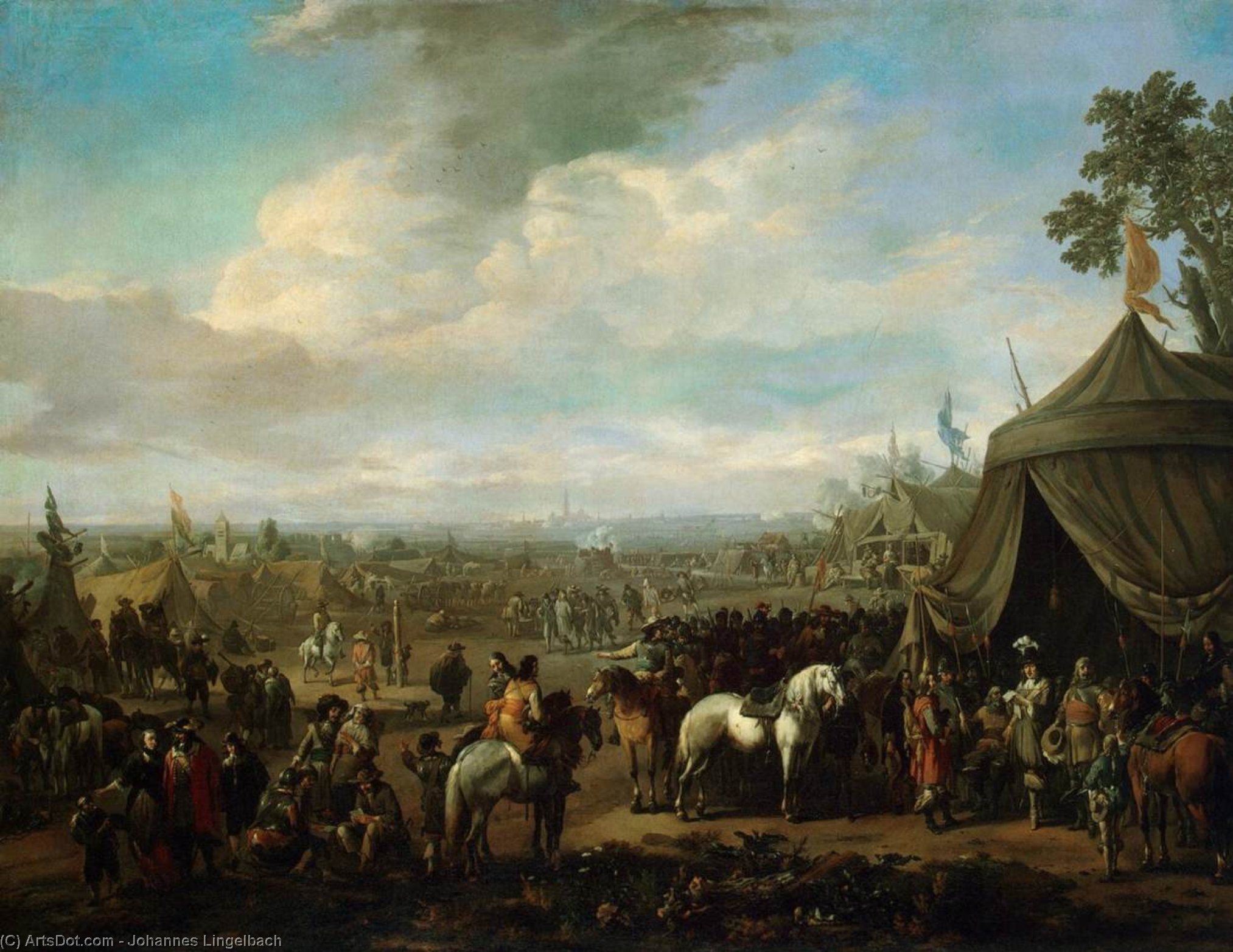
Flemish Town Sieged by the Spanish Soldiers
 Oil On Canvas
- WallArt
- Bambocciate
 1674
1674 89.0 x 114.0 cm
 Hermitage Museum
 Read More
Giclée / Art Print
Museum-quality giclée or canvas print with fast production and flexible finish options. ( Buy Hand Made Painting Buy Image)




P118B $10

P118H $10

P118W $10

P438Z $10

P508JH $12

P508YH $12

P805H $10

P805Z $10

P919BZ $10

P919G $10

P919XJ $10

P959ZH $10

P968JZ $12

W106C $8

W218G $10

W218JH $8

W218Y $10

W307PJ $10

W316G $10

W316PJ $8

W316Y $10

W398PJ $8

W4111J $10

W500HY $15

W500JH $15

W692G $12

W849H $8

W940BG $15

W953PJ $8




Pick from our preset sizes that match the artwork's original proportions.

You may enter your own dimensions to fit a specific frame or space. If your selected size does not match the original image's proportions, we will either crop the artwork or extend the image with a mirrored or solid-fill edge. A digital mockup will be sent for your approval before production begins.
Please note that the on-screen preview does not reflect the actual cropping or extension. Only the mockup will accurately show the final composition.
While custom sizes are available, we recommend selecting a dimension from the predefined list to preserve the original proportions.
Worldwide Delivery () in 2 weeks instead of standard 4/5 weeks. (2 September)

Free Worldwide Express Shipping

High-Quality Linen Canvas

Full Shipping Insurance

Customs Tax Refund Guarantee

True Color Matching Guarantee

60-Day Return Policy (Defects Only)

100% Money-Back Guarantee

Bulk Discount Offer
 Glass option is only available in size under 110 CM

Flemish Town Sieged by the Spanish Soldiers
Giclée / Art Print
Reproduction Size
-


Total Price
$ 63
Johannes Lingelbach’s “Flemish Town Sieged by the Spanish Soldiers” – A Chronicle of Conflict and Resilience
Painted in 1674 during the height of the Dutch Golden Age, Johannes Lingelbach's "Flemish Town Sieged by the Spanish Soldiers" is more than just a historical depiction; it’s a potent tableau of human drama set against the backdrop of escalating conflict. This oil on canvas masterpiece, now housed within the esteemed Hermitage Museum in St. Petersburg, offers a compelling glimpse into a turbulent era – a time when shifting alliances and military ambitions shaped the fate of European nations. Lingelbach, a key figure within the Bambocciate movement, masterfully blends influences from Caravaggio’s dramatic lighting with the Northern European realism that defined his artistic milieu, creating an image brimming with both immediacy and carefully considered composition.
The scene unfolds in a densely populated Flemish town square, rendered with remarkable detail. The chaos of siege is palpable: soldiers, identifiable by their distinctive armor and banners, clash with townsfolk who desperately defend their homes. A diverse cast of characters—farmers wielding pitchforks, merchants attempting to safeguard their wares, women shielding children – embodies the universal experience of vulnerability in the face of overwhelming force. Lingelbach doesn’t shy away from portraying the brutality of war; fallen bodies litter the ground, and expressions of fear and determination are etched on the faces of those caught in the fray. Yet, amidst this devastation, there's a subtle undercurrent of resilience – a refusal to surrender that speaks volumes about the spirit of the besieged community.
The Bambocciate Legacy: Italian Roots, Dutch Expression
Lingelbach’s artistic journey is deeply intertwined with the Bambocciate movement, a group of painters who, during the 1620s and 30s, established a vibrant studio in Rome. This collective, known for its genre scenes depicting everyday life, drew heavily on the innovations of Italian masters like Caravaggio – particularly his masterful use of *chiaroscuro*, or dramatic contrasts between light and shadow. Lingelbach’s work reflects this influence vividly; the scene is bathed in a theatrical light that highlights key figures and intensifies the sense of drama. However, he skillfully integrated these Italian techniques with the established conventions of Dutch painting, resulting in a unique synthesis of styles.
His time in Rome exposed him to the works of Viviano Codazzi, an architectural Vedutisti (view painter), whose meticulous depictions of urban landscapes profoundly impacted Lingelbach’s approach to composition and detail. This influence is evident in the carefully rendered buildings and streets of the besieged town – each element contributing to a sense of realism and spatial accuracy. Furthermore, Lingelbach's early training in Frankfurt and Amsterdam provided him with a strong foundation in Northern European genre painting, which he skillfully combined with his Italian influences.
Symbolism and Emotional Resonance
Beyond its immediate depiction of military conflict, “Flemish Town Sieged by the Spanish Soldiers” is rich in symbolic meaning. The siege itself represents not only a physical threat but also broader anxieties about political instability and the fragility of peace. The diverse group of defenders—farmers, merchants, women—underscores the idea that resistance comes from all levels of society. The presence of a clock in the background subtly emphasizes the passage of time and the urgency of the situation – a reminder that every moment counts in the face of adversity.
Lingelbach’s masterful use of light and shadow further enhances the emotional impact of the scene. The bright, focused illumination on the figures engaged in combat contrasts sharply with the darker areas of the background, creating a sense of tension and immediacy. The overall effect is one of heightened drama – a visual representation of the psychological turmoil experienced by those caught in the throes of war. It’s a painting that doesn't simply show us a battle; it invites us to *feel* the fear, desperation, and unwavering determination of its inhabitants.
A Timeless Masterpiece: Reproduction Possibilities
Today, “Flemish Town Sieged by the Spanish Soldiers” stands as a testament to Lingelbach’s artistic skill and his ability to capture the complexities of human experience. ArtsDot offers high-quality reproductions that faithfully recreate the painting's rich colors, intricate details, and dramatic atmosphere. Whether you are an art collector seeking to expand your collection or an interior designer looking for a striking piece to adorn your walls, a reproduction of this compelling artwork is sure to make a statement.
Our custom reproduction service allows you to select the size and framing options that best suit your needs, ensuring that your chosen artwork will be displayed in its full glory. Experience the power and beauty of Lingelbach’s masterpiece – brought to life with meticulous attention to detail and a commitment to preserving the original's artistic integrity.
Related Artworks


Artist Biography
Johannes Lingelbach: A Roman Echo in Dutch Genre Painting
Johannes Lingelbach (1622–1674) stands as a captivating figure within the vibrant tapestry of 17th-century Dutch art, specifically as one of the second generation associated with the Bambocciate movement. Born in Frankfurt, Germany, his life unfolded across multiple European centers – initially marked by family relocation to Amsterdam and later punctuated by extended periods in France, Italy (Rome primarily), and ultimately returning to settle in the Netherlands. Lingelbach’s artistic journey is a fascinating blend of influences, reflecting a deep engagement with both Northern European traditions and the burgeoning realism of Italian painting, particularly that of Caravaggio. He wasn't merely a painter; he was an observer, meticulously capturing scenes of daily life, architectural details, and the subtle nuances of human interaction within bustling urban environments.Early Life and Influences: From Frankfurt to Amsterdam
Lingelbach’s early years were shaped by his father, David Lingelbach, a German technician who established a labyrinthine entertainment complex in Amsterdam during the late 1630s. This unusual environment—a marvel of mechanical ingenuity filled with biblical and mythological displays—likely fostered within young Johannes an appreciation for intricate design, theatrical presentation, and perhaps even a nascent interest in depicting figures within dynamic settings. The family’s subsequent moves to France and Italy proved pivotal, exposing him to the artistic currents of the Continent. His time in Rome was particularly formative, immersing him in the vibrant atmosphere of the city's art scene and introducing him directly to the style of *Bamboccianti*, a group of genre painters specializing in scenes of urban life, often featuring impoverished artists, musicians, and scholars. The influence of Pieter van Laer, known as “Il Bamboccio,” was particularly strong, evident in Lingelbach’s penchant for capturing moments of everyday activity with remarkable realism and a keen eye for detail.Style and Technique: Bridging Northern and Southern Traditions
Lingelbach's artistic style is characterized by a sophisticated synthesis of Northern European and Italian influences. He inherited from the Bamboccianti a commitment to depicting scenes of urban life with an emphasis on realism, capturing the textures of clothing, the expressions of faces, and the details of architectural settings. However, unlike some of his contemporaries, Lingelbach infused his work with a distinctly Italianate sensibility, particularly in his use of *chiaroscuro* – the dramatic interplay of light and shadow—a technique heavily indebted to Caravaggio. His compositions are often dynamic and crowded, teeming with figures engaged in various activities: gambling, conversing, or simply observing the world around them. He demonstrated a remarkable ability to render architectural elements with precision, drawing inspiration from the detailed cityscapes painted by Viviano Codazzi, another prominent *Vedutisti* (architectural view painter). Lingelbach’s work is not merely a record of scenes; it's an immersive experience for the viewer, transporting them into the heart of bustling Roman streets and piazzas.Notable Works and Historical Significance
Lingelbach’s oeuvre comprises a diverse range of subjects, including street scenes, market squares, interiors, and portraits. Several key works stand out as testaments to his skill and artistic vision. The “Roman Street Scene with Card Players” (National Gallery), for instance, exemplifies his mastery of *chiaroscuro* and his ability to capture the energy and drama of a public gathering. His depiction of "Figures before a Locanda with a View of the Piazza del Popolo" (Royal Collection) showcases his meticulous attention to architectural detail and his understanding of spatial relationships. It’s important to note that some works initially attributed to Pieter van Laer have since been rightfully identified as Lingelbach's, highlighting the painter’s significant contribution to the Bamboccianti style. Lingelbach’s influence extended beyond his own paintings; he was frequently commissioned to paint figures and animals within the landscapes of other artists, including Meindert Hobbema and Jan van der Heyden, demonstrating a broader role in shaping the visual landscape of the era.Legacy and Lasting Impact
Johannes Lingelbach’s legacy is one of quiet but substantial influence. While he may not be as widely celebrated as some of his contemporaries, his work offers a unique window into 17th-century Dutch society and culture. His ability to seamlessly blend Northern European realism with Italianate drama cemented his place within the Bamboccianti movement, contributing significantly to its evolution. Lingelbach’s meticulous observation, skillful technique, and evocative depictions of urban life continue to resonate with viewers today, reminding us of the enduring power of genre painting to capture the essence of human experience. His paintings are not simply representations of scenes; they are vibrant snapshots of a bygone era, offering a glimpse into the lives and times of those who inhabited them.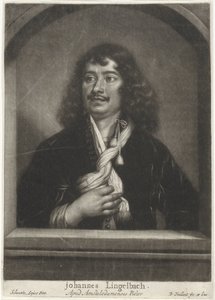
Johannes Lingelbach
1622 - 1674 , Germany
Quick Facts
- Artistic Movement Or Style: Bamboccianti
- Artists Or Movements Influenced By This Artist:
- Pieter van Laer
- Viviano Codazzi
- Artists Who Influenced This Artist:
- Philips Wouwermans
- Caravaggio
- Date Of Birth: 1622 Frankfurt, Germany
- Date Of Death: 1674 Amsterdam
- Full Name: Johannes Lingelbach
- Nationality: Dutch
- Notable Artworks:
- Roman Street Scene
- Figures before a Locanda
- Army Camp
- Place Of Birth: Frankfurt, Germany
Related Articles

Dutch Masters: 10 Golden Age Paintings That Still Inspire |
Journey into the Dutch Golden Age! Explore 10 iconic paintings by Rembrandt, Vermeer & Hals. Discover the stories behind these Baroque masterpieces and find museum-quality art reproductions to elevate your home decor on .

Dutch Baroque Masters: 10 Paintings That Shaped an Era | ArtsDot
Journey through the Golden Age with our guide to the Top 10 Dutch Baroque masterpieces! Explore iconic paintings by Rembrandt, Vermeer & Frans Hals. Find museum-quality art reproductions and elevate your home decor at ArtsDot.com.
Johannes Vermeer: Light, Intimacy & the Dutch Golden Age – A Comprehensive Exploration
Explore the life, techniques & enduring legacy of Johannes Vermeer, a master of Dutch Golden Age painting. Discover symbolism in his iconic works like 'The Milkmaid' and learn about his revolutionary use of light.

Golden Age Reflections: Dutch Baroque Painting & Cultural Innovation
Explore the Dutch Golden Age of painting! Discover key artists like Vermeer & ter Borch, their innovative techniques, and the rich cultural context behind these Baroque masterpieces. Learn about collecting & appreciating this iconic art period.
Johannes Bosboom: Light, Landscape & the Dutch Realist Tradition
Explore the captivating world of Johannes Bosboom, a master of Dutch Realism renowned for his evocative church interiors & landscapes. Discover his life, techniques, and enduring legacy with ArtsDot.