 Preview
 Send
Send Share
Share
 Details

 Download
 Similars
 X-Ray
X-Ray Diaporama
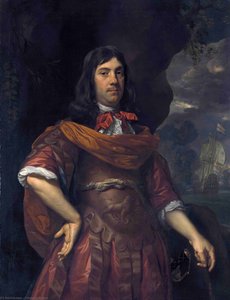
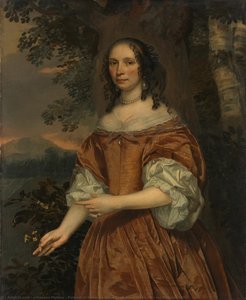
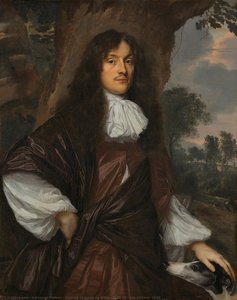
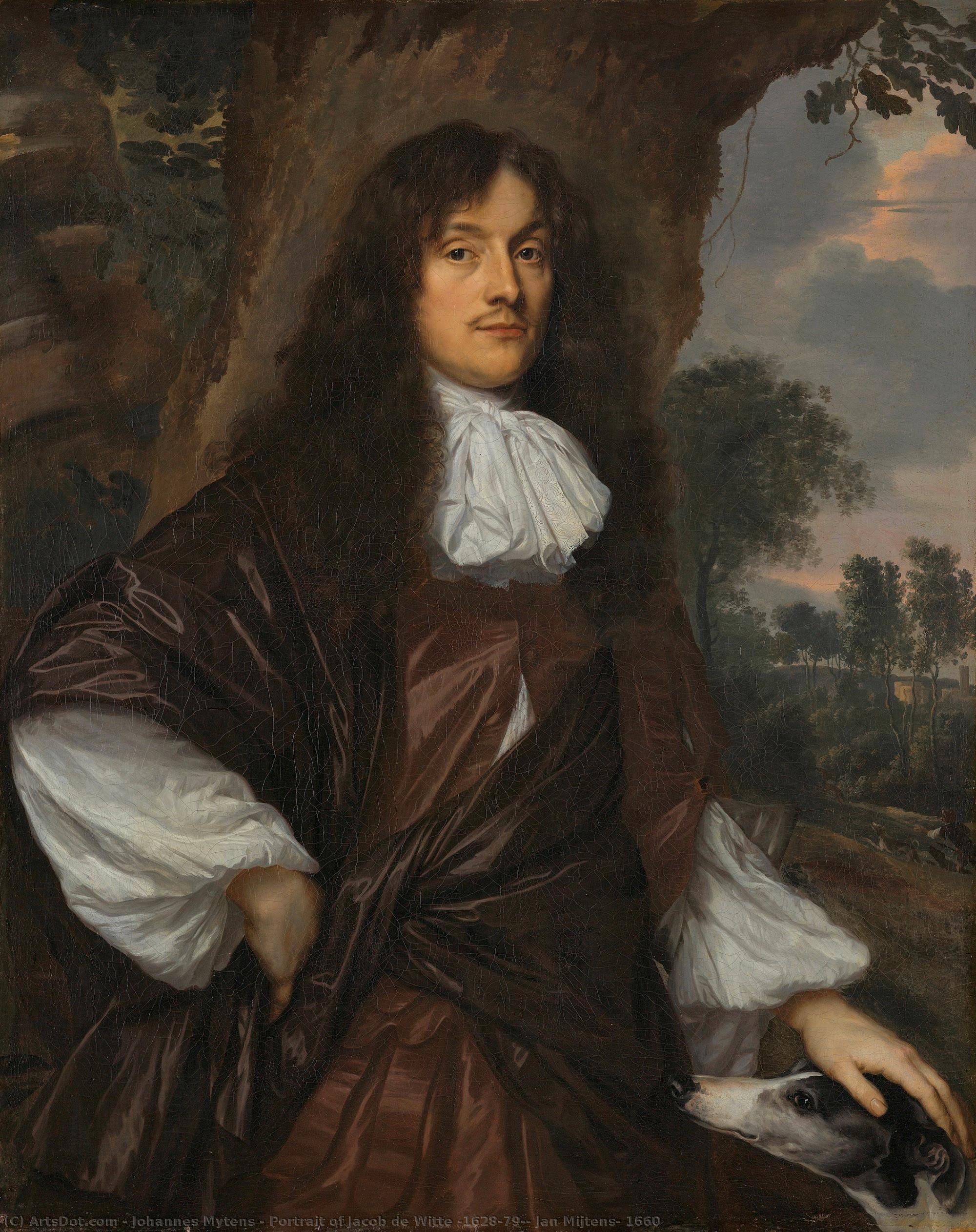
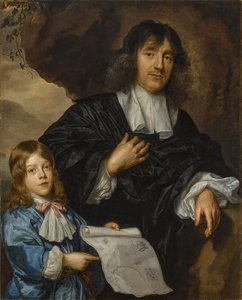
Portrait of Jacob de Witte (1628-79), Jan Mijtens, 1660
 1660
1660 113.0 x 91.0 cm
 Read More
Hand Made Oil Reproduction
Hand-painted oil on canvas in your size and frame, made to order by our artists. ( Buy Print Buy Image)




































Pick from our preset sizes that match the artwork's original proportions.

You may enter your own dimensions to fit a specific frame or space. If your selected size does not match the original image's proportions, we will either crop the artwork or extend the painting with additional hand-painted elements. A digital mockup will be sent for your approval before production begins.
Please note that the on-screen preview does not reflect the actual cropping or extension. Only the mockup will accurately show the final composition.
While custom sizes are available, we recommend selecting a dimension from the predefined list to preserve the original proportions.
After order, ArtsDot.com team will email client for instructions and provide a mockup preview
Worldwide Delivery () in 3/4 weeks instead of standard 5 weeks. (2 September). No compromise on quality.

Free Worldwide Express Shipping

High-Quality Linen Canvas

Full Shipping Insurance

Customs Tax Refund Guarantee

True Color Matching Guarantee

60-Day Return Policy (Defects Only)

100% Money-Back Guarantee

Bulk Discount Offer
 Glass option is only available in size under 110 CM

Portrait of Jacob de Witte (1628-79), Jan Mijtens, 1660
Reproduction Medium
Reproduction Size
-


Total Price
$ 263
Related Artworks








Artist Biography
Johannes Mytens: A Master of Dutch Portraiture
Johannes Mytens (c. 1614 – 1670) stands as a prominent figure within the illustrious Dutch Golden Age, celebrated primarily for his exquisite portrait paintings that captured the essence of aristocratic families and individuals alike. Born in The Hague, he emerged from a lineage steeped in artistic tradition—his uncles Isaac Mijtens and Daniël Mijtens were also painters, fostering an environment ripe for creative development. This familial connection profoundly shaped Mytens’ artistic trajectory, influencing his training under luminaries like Anthony van Opstal and Nicolas van der Horst, establishing him firmly within the established artistic circles of his time.- Early Training & Influences: Van Opstal's meticulous realism and van der Horst’s masterful use of light undoubtedly instilled in Mytens a foundational understanding of technique—a hallmark that would characterize his subsequent oeuvre.
- Guild Membership & Artistic Community: Joining the Hague Guild of Saint Luke in 1642 marked a pivotal moment, solidifying his professional standing and aligning him with fellow artists who championed artistic excellence and innovation. Notably, he spearheaded the formation of the confrerie pictura, demonstrating his commitment to fostering collaborative creativity within the artistic landscape.
Notable Works & Artistic Style
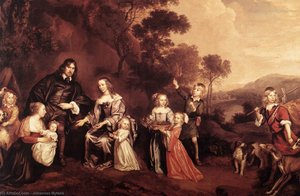
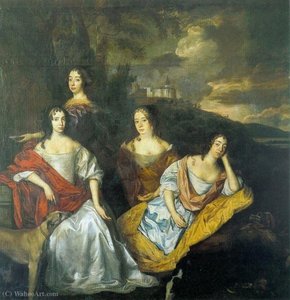
Mytens’ artistic style is characterized by a harmonious blend of realism and idealism, reflecting the Baroque aesthetic prevalent during his lifetime. He skillfully employed chiaroscuro – dramatic contrasts between light and shadow – to sculpt figures with remarkable depth and dimensionality, conveying emotion and psychological nuance. His compositions are meticulously balanced, prioritizing clarity and elegance while simultaneously incorporating symbolic elements that enrich the narrative content. Consider particularly ‘The van der Graeff Family,’ where he deftly portrays a wealthy English family against a richly textured backdrop—a masterpiece demonstrating his mastery of color palettes and spatial arrangement. Similarly, his depiction of Frederick Henry’s daughters exemplifies Baroque grace and sophistication.- ‘The van der Graeff Family’: This monumental portrait showcases Mytens' ability to capture familial bonds and convey aristocratic status with breathtaking precision.
- Portrait of James, 4th Lord Cranstoun: A captivating depiction of Scottish nobility, demonstrating Mytens’ talent for portraying character and conveying emotion through nuanced facial expressions.
Legacy & Historical Significance
Johannes Mytens' contribution to Dutch art history extends beyond his individual paintings; he served as a crucial catalyst in shaping the artistic sensibilities of subsequent generations. His influence can be discerned in the works of his students, who carried forward his stylistic innovations and upheld his commitment to artistic integrity. Furthermore, Mytens’ meticulous documentation of social life—particularly through genre scenes—provides invaluable insights into the cultural milieu of 17th-century Holland. As a symbol of Dutch artistic excellence during its golden age, Mytens continues to inspire admiration and scholarly investigation today, securing his place as one of the most revered portrait painters of his era.Further Exploration
For deeper understanding of Johannes Mytens’ life and work, explore resources such as:- RKD – Nederlands Kunstgeschiedenis: Johannes Mijten
Johannes Mytens
1614 - 1670 , Netherlands
Quick Facts
- Artistic Movement Or Style: Golden Age
- Artists Or Movements Influenced By This Artist: ['Baroque']
- Artists Who Influenced This Artist:
- Anthony van Opstal
- Nicolas van der Horst
- Date Of Birth: The Hague, Netherlands (1614)
- Date Of Death: 1670
- Full Name: Johannes Mytens
- Nationality: Dutch
- Notable Artworks:
- The van der Graeff Family
- Portrait of the daughters of Frederick Henry of Orange
- Portrait of James, 4th Lord Cranstoun
- Place Of Birth: The Hague