

 Preview
 Send
Send Share
Share
 Details

 Download
 Similars
 X-Ray
X-Ray Diaporama
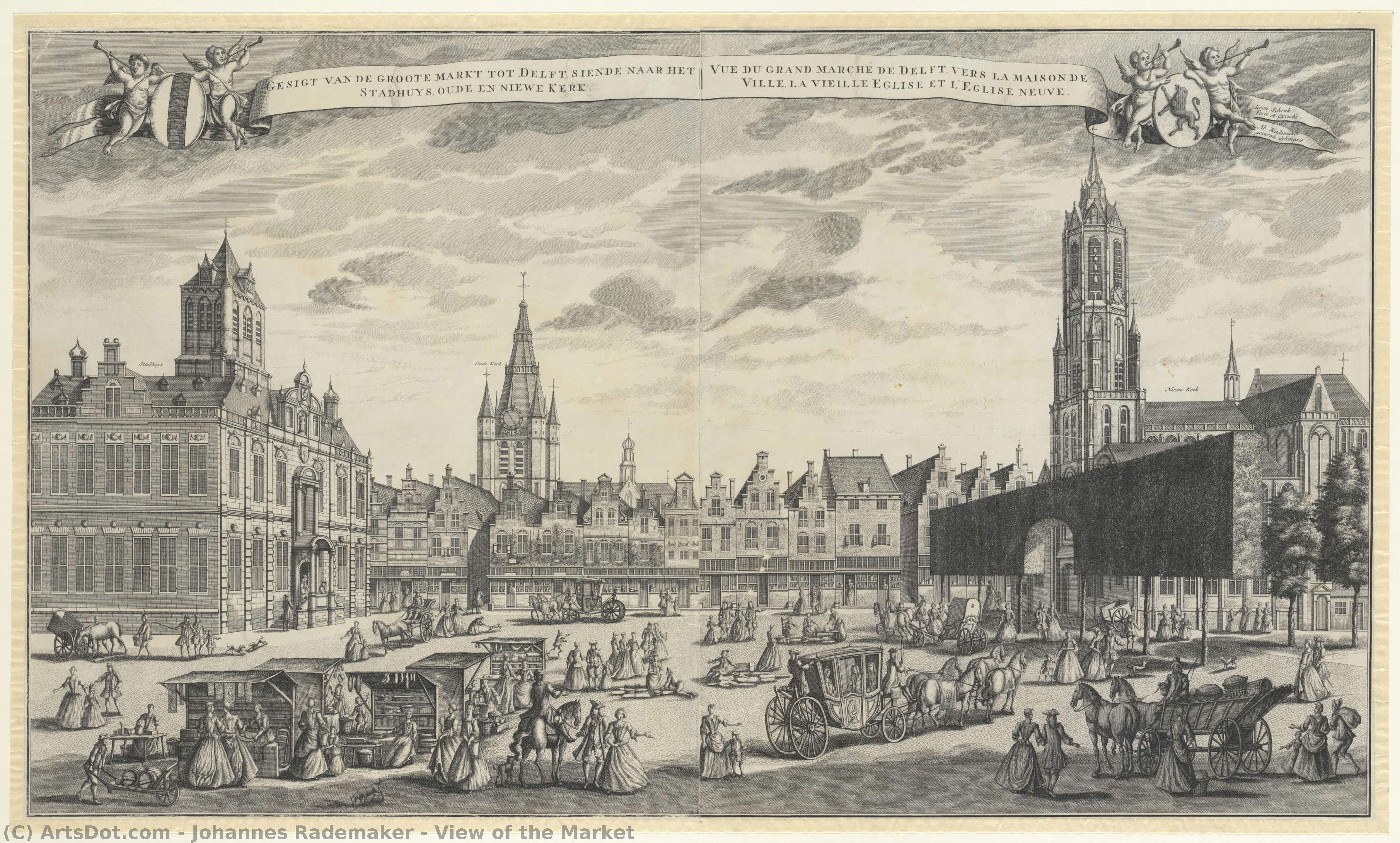
View of the Market


 Read More
Purchase a high-resolution, enhanced digital image, far superior to the online preview.
Each file is meticulously prepared by our in-house specialists using advanced tools and expert manual retouching. We ensure every image has exceptional clarity, precise color accuracy, and fine detail.
The final file is delivered via email within 72 hours, optimized for immediate use in professional, editorial, and print environments. This is the same quality trusted by top-tier design studios, publishers, and galleries.
Digital Image
Download a high-resolution file for personal display, printing, and creative projects. ( Buy Print Buy Hand Made Painting)
Included in Every Digital Image Order
Expert Digital Delivery, Guaranteed
When you choose ArtsDot.com, you're not just getting an image - you're receiving a professionally enhanced digital artwork, crafted with precision and backed by a satisfaction guarantee. Here's everything that comes with your order, automatically:

Fast Email Delivery
Your high-resolution digital image file will be emailed to you within 72 hours of ordering - ready for immediate use.

AI-Enhanced Digital File
Your artwork is professionally optimized using advanced AI tools and manual editing, ensuring maximum detail, clarity, and color accuracy.

Free Lifetime Re-Delivery
Accidentally deleted or lost your file? No worries - we'll resend it to you anytime, free of charge.

No Import Fees - Ever
Enjoy your artwork instantly with zero customs, duties, or delivery fees - digital downloads are always tax-free.

Color Accuracy Guarantee
We ensure your digital image reflects the original colors as closely as possible using professional tools and color management.

60-Day Satisfaction Guarantee
If you're not satisfied with your digital image, we'll revise it or refund 100% within 60 days - no questions asked.

100% Money-Back Guarantee
Not satisfied? Get a full refund within 60 days of receiving your digital file - no questions asked.

Bulk Order Discounts
Buy 3 images, save 10% - Buy 5, save 15% - Buy 10+, save 20%. Great for creative projects, galleries, and agencies.
Related Artworks



Artist Biography
Sebastiano Ricci: A Venetian Master Bridging Baroque and Rococo
Born in Belluno, Italy, in 1659, Sebastiano Ricci’s life was a vibrant tapestry woven across Europe – a testament to his exceptional talent and relentless pursuit of artistic recognition. Initially apprenticed to Federico Cervelli in Venice, Ricci quickly distinguished himself with a distinctive style that blended the grandeur of the Baroque with nascent Rococo influences. His early career saw him traversing Italy, from Bologna to Parma, Florence, and Rome, each location leaving its mark on his evolving technique and subject matter. This itinerant existence wasn’t merely a consequence of professional opportunity; it was deeply intertwined with personal drama – a series of passionate affairs that frequently necessitated hasty departures, sometimes even leading to perilous situations like imprisonment for attempted murder.
Ricci's artistic development is particularly fascinating due to his simultaneous engagement with multiple stylistic currents. Initially influenced by the Venetian School’s rich color palettes and dramatic compositions, he gradually incorporated elements of Caravaggio’s tenebrism while simultaneously absorbing the more light-filled, elegant style emerging in France under artists like Watteau. This synthesis is most evident in his English period (1711-1716), where he executed a series of large-scale decorative paintings for Burlington House, showcasing his ability to create both dynamic movement and refined beauty. The *Resurrection* ceiling painting at the Chelsea Royal Hospital stands as a prime example of this masterful balance – a monumental work brimming with vibrant color and theatrical drama, yet imbued with an underlying sense of grace and elegance.
The Influence of Palladio and Venetian Tradition
Ricci’s artistic journey was profoundly shaped by his deep admiration for Andrea Palladio. He meticulously studied Palladio's architectural treatises, particularly “The Architecture of A. Palladio,” absorbing the principles of classical design and incorporating them into his decorative schemes. This influence is readily apparent in his meticulous attention to detail, his skillful use of perspective, and his embrace of harmonious proportions. Simultaneously, he remained firmly rooted in Venetian artistic tradition, inheriting from his predecessors a love for rich color, dramatic lighting, and a focus on narrative storytelling. The vibrant hues and theatrical gestures characteristic of his work are direct echoes of the Venetian masters who preceded him.
His early training under Federico Cervelli also provided a crucial foundation. Cervelli’s workshop instilled in Ricci a strong understanding of fresco painting techniques – a skill he would later utilize to great effect in his monumental ceiling decorations. Furthermore, Ricci's exposure to the works of other Venetian artists, such as Carlo Veronese and Paolo Veronese, undoubtedly contributed to his development as a colorist and compositionally skilled painter.
Major Works and Artistic Style
Ricci’s oeuvre is remarkably diverse, encompassing religious paintings, mythological allegories, portraits, and decorative panels. His most celebrated works include the ceiling decorations at Burlington House in London, where he depicted scenes of love and triumph, showcasing his ability to capture both dramatic action and elegant beauty. The *Resurrection* at Chelsea Royal Hospital demonstrates his mastery of large-scale fresco painting, while his altarpieces for Venetian churches reveal his skill in creating emotionally resonant religious imagery. His work is characterized by a bold use of color, dynamic compositions, and a masterful handling of light and shadow – elements that contribute to the dramatic intensity of his paintings.
A particularly noteworthy aspect of Ricci’s style is his ability to seamlessly blend Baroque theatricality with Rococo elegance. He skillfully employed swirling draperies, graceful figures, and delicate details to create works that are both visually arresting and emotionally engaging. His later work, executed in Venice after his return from England, reflects this evolving aesthetic, incorporating elements of the Rococo style while retaining his distinctive Venetian flair.
Legacy and Historical Significance
Sebastiano Ricci’s career spanned over five decades and left an indelible mark on European art. He played a crucial role in disseminating Italian decorative painting techniques throughout Europe, influencing generations of artists. His work bridged the gap between the Baroque and Rococo styles, contributing to the evolution of Western art during a period of significant transition. While his life was marked by personal turmoil, his artistic achievements stand as a testament to his exceptional talent and enduring legacy. Ricci’s paintings continue to be admired for their vibrant colors, dramatic compositions, and masterful handling of light and shadow – qualities that firmly establish him as one of the most important artists of the 17th century.
He died in Venice in 1734, leaving behind a substantial body of work that continues to captivate viewers today. His influence can be seen in the works of later Venetian painters and beyond, solidifying his place as a pivotal figure in the history of European art.
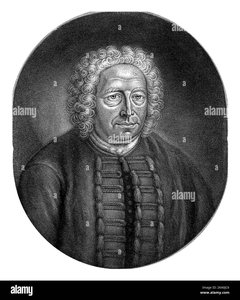
johannes rademaker
1659 - 1713 , Netherlands
Quick Facts
- Artistic Movement Or Style: Venetian School
- Artists Or Movements Influenced By This Artist: ['Pietro da Cortona']
- Artists Who Influenced This Artist: ['Federico Cervelli']
- Date Of Birth: 1659
- Date Of Death: 1734
- Full Name: Sebastiano Ricci
- Nationality: Italian
- Notable Artworks:
- Allegory of Fortune
- Resurrection
- Place Of Birth: Belluno, Italy

