 Preview
 Send
Send Share
Share
 Details

 Download
 Similars
 X-Ray
X-Ray Diaporama
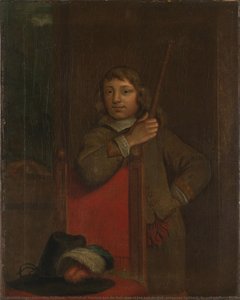
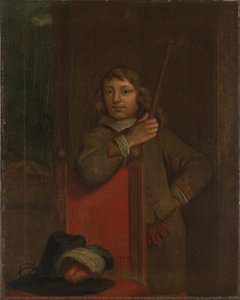
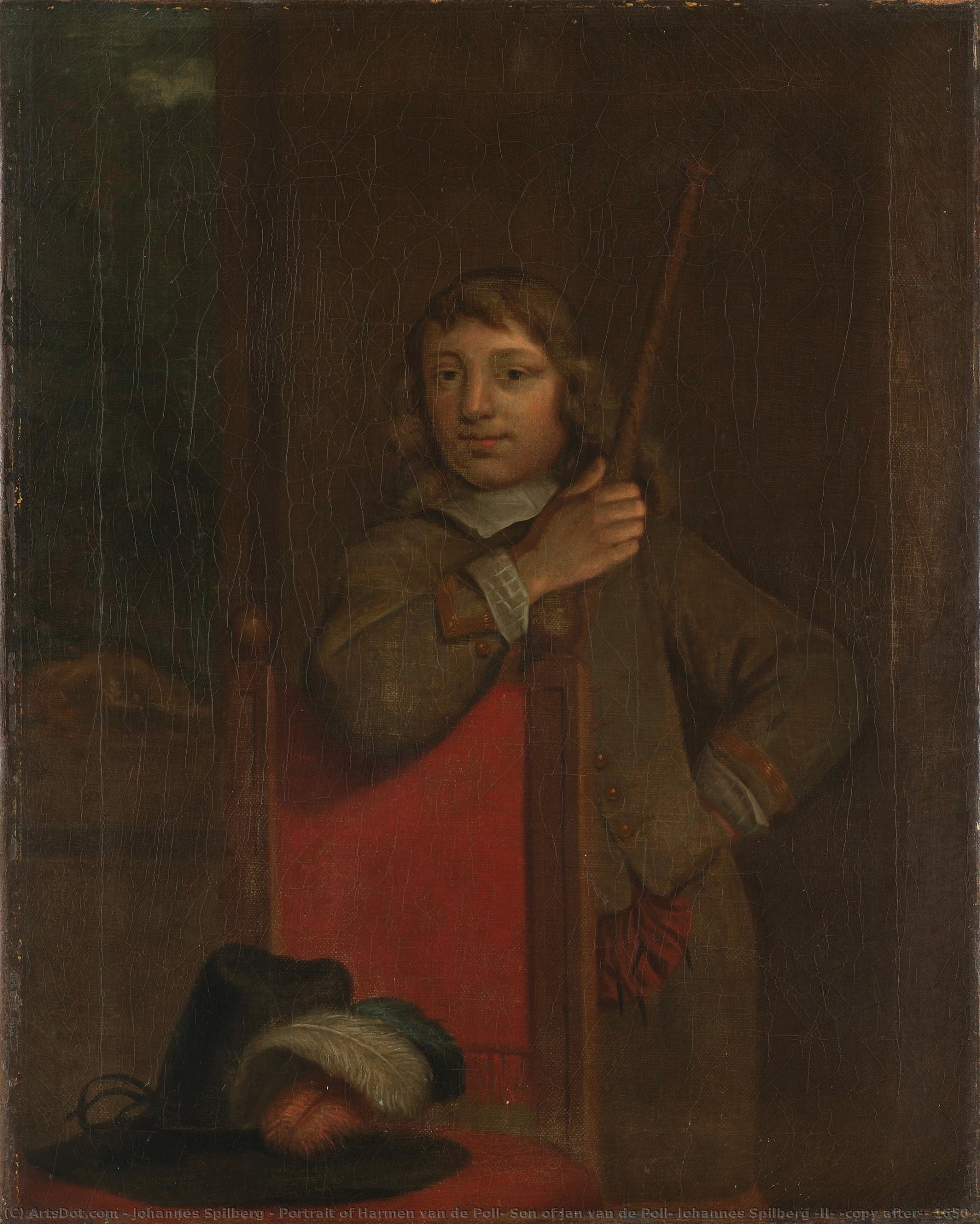
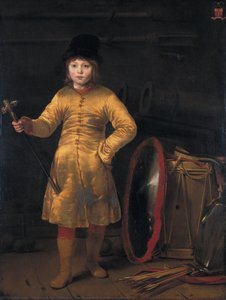
Portrait of Harmen van de Poll, Son of Jan van de Poll, Johannes Spilberg (II) (copy after), 1650 - 1700
 1700
1700 49.0 x 39.0 cm
 Read More
Giclée / Art Print
Museum-quality giclée or canvas print with fast production and flexible finish options. ( Buy Hand Made Painting Buy Image)




































Pick from our preset sizes that match the artwork's original proportions.

You may enter your own dimensions to fit a specific frame or space. If your selected size does not match the original image's proportions, we will either crop the artwork or extend the image with a mirrored or solid-fill edge. A digital mockup will be sent for your approval before production begins.
Please note that the on-screen preview does not reflect the actual cropping or extension. Only the mockup will accurately show the final composition.
While custom sizes are available, we recommend selecting a dimension from the predefined list to preserve the original proportions.
Worldwide Delivery () in 2 weeks instead of standard 4/5 weeks. (31 August)

Free Worldwide Express Shipping

High-Quality Linen Canvas

Full Shipping Insurance

Customs Tax Refund Guarantee

True Color Matching Guarantee

60-Day Return Policy (Defects Only)

100% Money-Back Guarantee

Bulk Discount Offer
 Glass option is only available in size under 110 CM

Portrait of Harmen van de Poll, Son of Jan van de Poll, Johannes Spilberg (II) (copy after), 1650 - 1700
Giclée / Art Print
Reproduction Size
-


Total Price
$ 63
Related Artworks
Artist Biography
The Enigmatic Vision of Johannes Spilberg
Johannes Spilberg remains a somewhat elusive figure in the landscape of contemporary art, an artist whose work whispers rather than shouts, inviting contemplation and personal interpretation. While biographical details are currently scarce – a testament to his preference for allowing the artwork itself to be the primary voice – his paintings have steadily garnered attention for their unique blend of realism and dreamlike atmosphere. Born in (date unavailable), Spilberg is still living and actively creating, yet maintains a deliberate distance from extensive public scrutiny. This intentional obscurity only adds to the mystique surrounding his oeuvre, fostering an environment where viewers are encouraged to connect with the emotional core of each piece without preconceived notions about the artist’s life or intentions.A Style Rooted in Observation and Imagination
Spilberg's artistic style is difficult to categorize neatly; it exists in a compelling space between traditional representational painting and the more fluid boundaries of magical realism. His canvases often depict seemingly ordinary scenes – interiors bathed in soft light, solitary figures lost in thought, landscapes imbued with an almost melancholic stillness. However, beneath this veneer of everyday life lies a subtle current of unease or longing. He masterfully employs chiaroscuro, reminiscent of the Old Masters, to create dramatic contrasts and highlight specific elements within his compositions. This technique isn’t merely about technical skill; it's used to draw the viewer’s eye to moments of quiet significance, hinting at narratives just beyond our grasp. The color palettes are typically muted, favoring earth tones, grays, and blues, which contribute to the overall sense of introspection. While influences from artists like Edward Hopper and Vilhelm Hammershøi can be detected in his use of light and space, Spilberg’s work possesses a distinct quality – a delicate balance between precision and ambiguity that sets it apart.Themes of Solitude and Inner Worlds
Recurring themes within Spilberg's paintings include solitude, memory, and the exploration of inner psychological states. Figures are often isolated, engaged in private moments or gazing out into vast, empty spaces. These aren’t depictions of loneliness as much as they are explorations of self-reflection and the human condition. The interiors he portrays feel less like physical locations and more like representations of the mind – rooms filled with echoes of past experiences and unspoken emotions. Landscapes, too, serve as metaphors for internal landscapes, reflecting a sense of yearning or quiet desperation. He avoids overt symbolism, preferring instead to create an atmosphere that allows viewers to project their own feelings and interpretations onto the work. This open-endedness is central to his artistic philosophy; he aims not to dictate meaning but to evoke it.Recent Developments and Growing Recognition
Although a comprehensive catalog of Spilberg’s work remains unavailable, recent exhibitions have showcased a subtle evolution in his style. While the core themes remain consistent, there's been an increasing emphasis on texture and layering, adding depth and complexity to his compositions.- His use of glazes has become more pronounced, creating luminous effects that further enhance the dreamlike quality of his paintings.
- He’s also begun experimenting with larger canvases, allowing for a greater sense of immersion and scale.
- There is an increasing focus on natural elements – trees, water, light – as symbols of resilience and transformation.