 Preview
 Send
Send Share
Share
 Details

 Download
 Similars
 X-Ray
X-Ray Diaporama
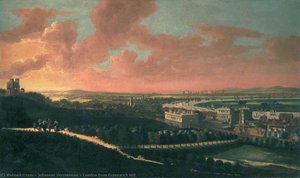
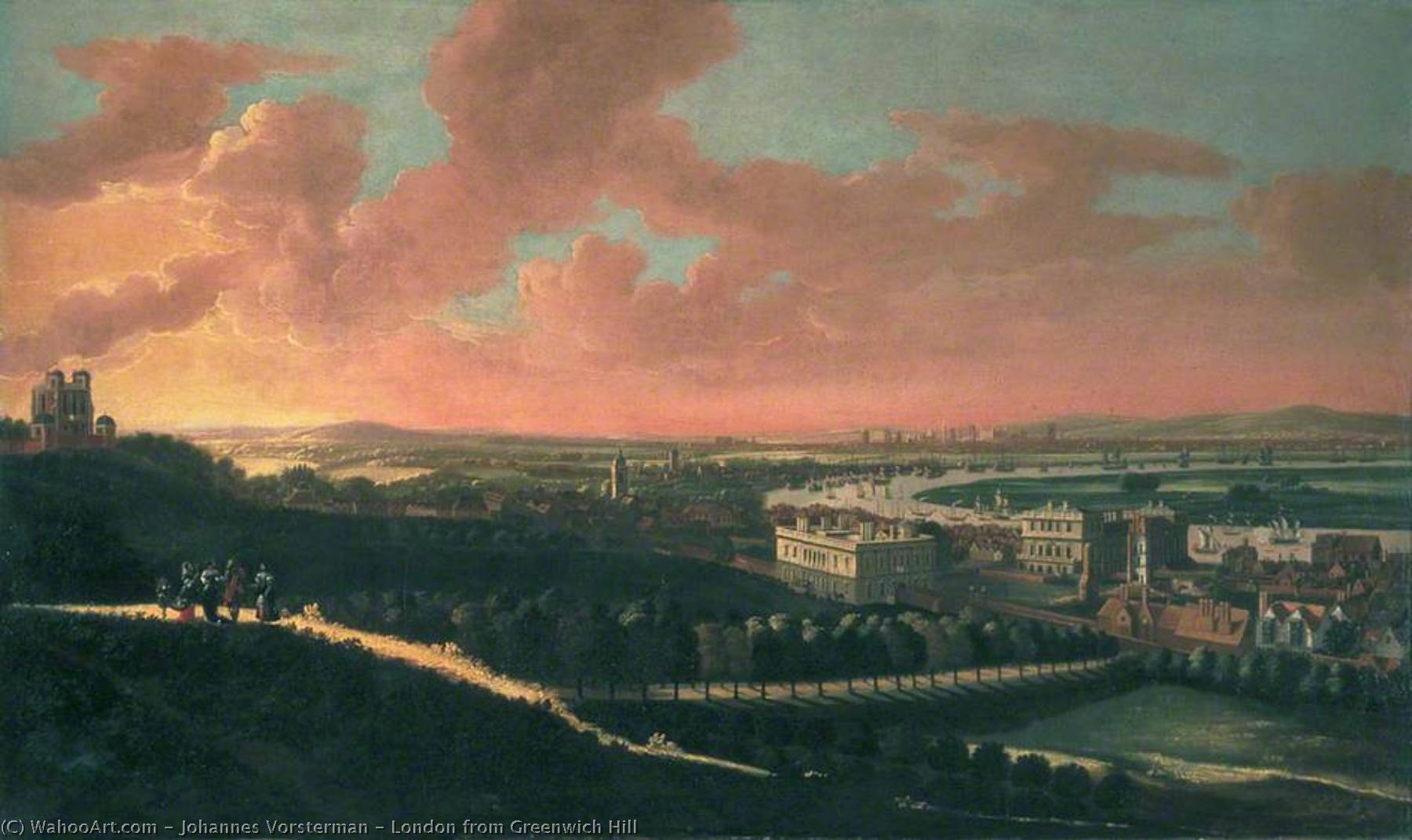
London from Greenwich Hill
 1680
1680 108.0 x 182.0 cm
 Guildhall Art Gallery
 Read More
Hand Made Oil Reproduction
Hand-painted oil on canvas in your size and frame, made to order by our artists. ( Buy Print Buy Image)




































Pick from our preset sizes that match the artwork's original proportions.

You may enter your own dimensions to fit a specific frame or space. If your selected size does not match the original image's proportions, we will either crop the artwork or extend the painting with additional hand-painted elements. A digital mockup will be sent for your approval before production begins.
Please note that the on-screen preview does not reflect the actual cropping or extension. Only the mockup will accurately show the final composition.
While custom sizes are available, we recommend selecting a dimension from the predefined list to preserve the original proportions.
After order, ArtsDot.com team will email client for instructions and provide a mockup preview
Worldwide Delivery () in 3/4 weeks instead of standard 5 weeks. (21 August). No compromise on quality.

Free Worldwide Express Shipping

High-Quality Linen Canvas

Full Shipping Insurance

Customs Tax Refund Guarantee

True Color Matching Guarantee

60-Day Return Policy (Defects Only)

100% Money-Back Guarantee

Bulk Discount Offer
 Glass option is only available in size under 110 CM

London from Greenwich Hill
Reproduction Medium
Reproduction Size
-


Total Price
$ 263
Artwork Description
The Artist and His Work
Johannes Vorsterman was a Dutch Golden Age landscape painter, considered superior to his contemporaries. He created works for Charles II and was referred to as F. de Vosterman by the Scottish artist T. Graham. Born in Zaltbommel circa 1643, he learned the rudiments of art from his father. Vorsterman's style is characterized by his use of light and color, creating a sense of atmosphere and mood in his paintings.The Painting's Significance
London from Greenwich Hill is not only a beautiful piece but also an important historical document. It provides a glimpse into the city's past, showcasing its architecture and daily life during the 17th century. The painting is also notable for its composition and technique, demonstrating Vorsterman's skill as a landscape painter.- The use of warm colors creates a sense of warmth and coziness, drawing the viewer into the scene.
- The scattered clouds add depth and texture to the painting, creating a sense of movement and energy.
- The figures in the foreground add a sense of scale and humanity to the scene, highlighting the city's bustling nature.
The Guildhall Art Gallery is also home to other notable works, including those by Egon Schiele and Otto Dix. For more information on these artists and their works, visit https://ArtsDot.com.
Related Artworks










Artist Biography
A Life Painted in Perspective: Johannes Vorsterman and the Dutch Golden Age
Johannes Vorsterman, a name perhaps less instantly recognizable than some of his contemporaries, nevertheless occupies a fascinating niche within the landscape painting tradition of the Dutch Golden Age. Born around 1643 in Zaltbommel, Netherlands, Vorsterman’s life was one of considerable travel and ambition, marked by both artistic success and financial instability. His early training came at the hand of his father, Ottho Vorsterman, a portrait painter who instilled in him the foundational skills of observation and draftsmanship. However, it was under Herman Saftleven in Utrecht that Johannes truly began to hone his talent for landscape, developing a style characterized by meticulous detail and atmospheric perspective. This period proved crucial, laying the groundwork for the topographical views that would later define his career.From Dutch Canals to English Estates
Vorsterman’s journey wasn't confined to the studio; it was one of geographical exploration as well. An initial sojourn to France seems to have been cut short by financial difficulties – a recurring theme throughout his life. Around 1674, he found himself in England, a country poised for artistic patronage and offering fertile ground for a skilled landscape painter. It was here that Vorsterman truly flourished, becoming associated with the court of Charles II. He specialized in painting “prospects” – detailed views of notable estates and landmarks – catering to an aristocracy eager to document their holdings and showcase their wealth. His ability to capture both the grandeur of architecture and the subtle nuances of the English countryside quickly gained him recognition. The Scottish artist T. Graham even referred to him as F. de Vosterman, highlighting his growing reputation across artistic circles.The Allure of Windsor and Beyond
Vorsterman’s most celebrated works are undoubtedly those depicting Windsor Castle. Commissioned between 1674 and 1680, these paintings documented the renovations undertaken by Hugh May for Charles II, offering a valuable visual record of the castle's transformation during this period. The pair of views in the Royal Collection showcase not only his technical mastery but also his keen eye for detail – from the intricate stonework to the carefully rendered foliage. Beyond Windsor, he painted scenes of Greenwich and Gloucester, each imbued with the same precision and atmospheric quality. His signature, often appearing as “JVM” or “JV,” became a mark of quality and authenticity among discerning collectors. He wasn’t merely recording landscapes; he was crafting idealized visions, subtly enhancing the beauty and status of his subjects.A Complex Legacy: Ambition, Debt, and Artistic Influence
Despite his talent and royal patronage, Vorsterman's life remained turbulent. A reputation for vanity and a tendency to overcharge plagued him. He famously assumed the rank of baron in Paris, maintaining an extravagant lifestyle that frequently outstripped his income. Stories abound of him feigning illness to avoid creditors or gifting valuable paintings to high-ranking individuals as a means of demonstrating (and concealing) his financial woes. This extravagance eventually led to imprisonment for debt, a fate he escaped with the assistance of fellow artists who admired his skill. His later years are shrouded in some mystery; records indicate he accompanied diplomat Sir William Soames to Istanbul in 1685 as a legation painter, but his ultimate fate remains uncertain, with suggested death dates ranging from around 1699 to 1719 in Zaltbommel.- Influences: Herman Saftleven’s landscape techniques were foundational for Vorsterman, shaping his approach to perspective and detail.
- Major Achievements: His detailed depictions of Windsor Castle remain his most celebrated works, providing valuable historical documentation and showcasing his artistic skill.
- Historical Significance: Vorsterman bridged Dutch and English artistic traditions, contributing to the development of topographical landscape painting in England. His work offers insights into 17th-century architecture, patronage, and the evolving aesthetic preferences of the aristocracy.
johannes vorsterman
1643 - 1719
Quick Facts
- Artistic Movement Or Style: Golden Age Landscape
- Artists Who Influenced This Artist: ['Herman Saftleven']
- Date Of Birth: 1643
- Date Of Death: 1699
- Full Name: Johannes Vorsterman
- Nationality: Dutch
- Notable Artworks:
- London from Greenwich Hill
- Windsor Castle
- Greenwich and London
- Place Of Birth: Zaltbommel, Netherlands