

 Send
Send Share
Share
 Details

 Download
 Similars
 Diaporama
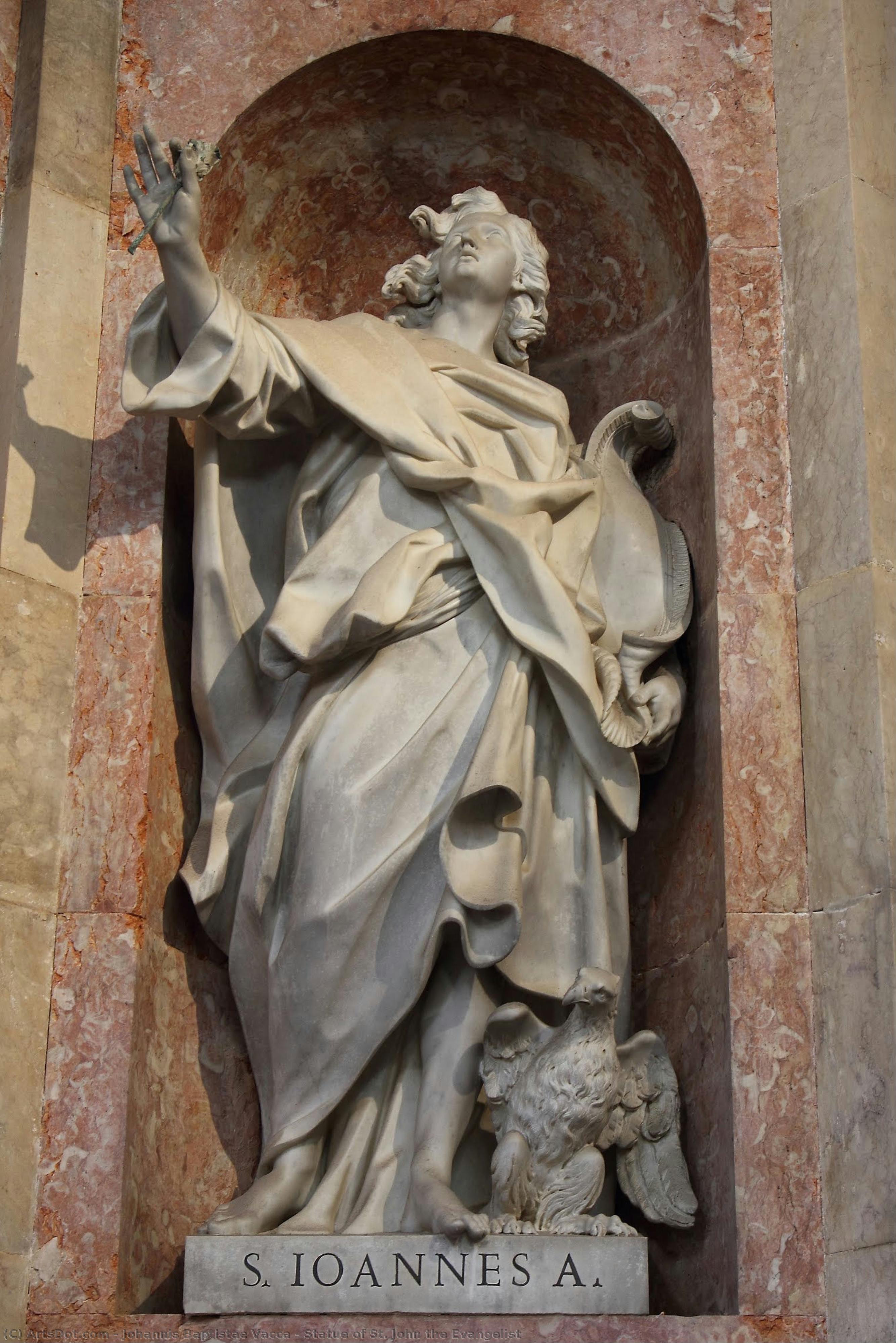
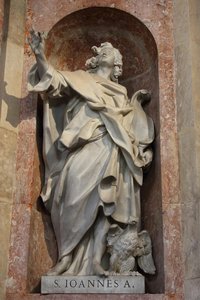
Statue of St. John the Evangelist


 Read More
Purchase a high-resolution, enhanced digital image, far superior to the online preview.
Each file is meticulously prepared by our in-house specialists using advanced tools and expert manual retouching. We ensure every image has exceptional clarity, precise color accuracy, and fine detail.
The final file is delivered via email within 72 hours, optimized for immediate use in professional, editorial, and print environments. This is the same quality trusted by top-tier design studios, publishers, and galleries.
Digital Image
Download a high-resolution file for personal display, printing, and creative projects. ( Buy Print Buy Hand Made Painting)
Included in Every Digital Image Order
Expert Digital Delivery, Guaranteed
When you choose ArtsDot.com, you're not just getting an image - you're receiving a professionally enhanced digital artwork, crafted with precision and backed by a satisfaction guarantee. Here's everything that comes with your order, automatically:

Fast Email Delivery
Your high-resolution digital image file will be emailed to you within 72 hours of ordering - ready for immediate use.

AI-Enhanced Digital File
Your artwork is professionally optimized using advanced AI tools and manual editing, ensuring maximum detail, clarity, and color accuracy.

Free Lifetime Re-Delivery
Accidentally deleted or lost your file? No worries - we'll resend it to you anytime, free of charge.

No Import Fees - Ever
Enjoy your artwork instantly with zero customs, duties, or delivery fees - digital downloads are always tax-free.

Color Accuracy Guarantee
We ensure your digital image reflects the original colors as closely as possible using professional tools and color management.

60-Day Satisfaction Guarantee
If you're not satisfied with your digital image, we'll revise it or refund 100% within 60 days - no questions asked.

100% Money-Back Guarantee
Not satisfied? Get a full refund within 60 days of receiving your digital file - no questions asked.

Bulk Order Discounts
Buy 3 images, save 10% - Buy 5, save 15% - Buy 10+, save 20%. Great for creative projects, galleries, and agencies.
Collectible Description
A Testament to Faith: Examining Johannis Baptistae Vaccà’s Statue of St. John the Evangelist
The statue of St. John the Evangelist, crafted by Giovanni Battista Vaccà in 1733, stands as a poignant emblem of Baroque piety and artistic mastery—a piece that continues to resonate with viewers centuries later. Located within the Museo San Giovanni Decollato in Rome, this sculpture offers more than just visual beauty; it embodies a profound spiritual narrative skillfully rendered through masterful technique and evocative symbolism.The Sculptor’s Vision: Vaccà's Baroque Style
Johannis Baptistae Vaccà (1688-1745) emerged as a prominent sculptor during the fervent Baroque period, inheriting the stylistic conventions that prioritized dramatic emotion and grandeur. Influenced by artists like Bernini, Vaccà embraced chiaroscuro—the deliberate manipulation of light and shadow—to imbue his works with palpable depth and dynamism. This technique isn’t merely decorative; it serves as a conduit for conveying spiritual fervor, mirroring the Baroque preoccupation with portraying divine majesty through theatrical illumination. Vaccà's approach aligns perfectly with the broader artistic ethos of his time, reflecting an earnest desire to communicate religious devotion in tangible form.Technical Brilliance: Marble and Chiaroscuro’s Dance
The statue itself is executed primarily in marble—a material chosen for its durability and ability to capture subtle tonal variations—allowing Vaccà to achieve remarkable realism. However, it's the masterful application of chiaroscuro that truly elevates this artwork. Notice how Vaccà sculptors uses light to highlight St. John’s face and hand, emphasizing his gaze upwards – a gesture laden with contemplation and prayer. The darker recesses of the statue create an illusion of volume, drawing the viewer’s eye into the sculpture's core and fostering a sense of immersive experience. This meticulous attention to detail underscores Vaccà’s dedication to capturing not just physical likeness but also the inner spirit of his subject.Symbolism Rooted in Tradition
The iconography surrounding St. John—holding a book symbolizing divine knowledge and raising his hand towards heaven—is deeply rooted in Christian tradition. Traditionally depicted as the Evangelist who witnessed Jesus' crucifixion and ascension, St. John embodies humility, piety, and unwavering faith. The inclusion of two dogs flanking St. John is equally significant; they represent loyalty and guardianship – virtues associated with Christ himself and reinforcing the statue’s overarching message of spiritual devotion. Vaccà skillfully integrates these symbols into a cohesive visual narrative, enriching the artwork's meaning beyond mere aesthetic appeal.Emotional Resonance: A Portrait of Reverence
Ultimately, Vaccà’s Statue of St. John the Evangelist transcends its material form to evoke a powerful emotional response. The statue compels contemplation—a mirroring of St. John’s posture and gaze—and invites viewers to consider themes of faith, humility, and divine grace. Its serene expression captures the essence of spiritual reverence, transporting us back to the Baroque era's fervent embrace of religious art. Reproductions of this masterpiece offer an opportunity to experience Vaccà’s artistic vision firsthand, bringing a timeless symbol of piety into modern homes and inspiring appreciation for Baroque sculpture’s enduring legacy.Related Artworks
Artist Biography
The Sculptural Legacy of Giovanni Battista Vaccà
In the heart of Rome, during the twilight of the Baroque era, the name Giovanni Battista Vaccà emerged as a profound voice in the realm of sculptural expression. Born in 1688, Vaccà navigated an era defined by theatricality and intense spiritual fervor, translating the ephemeral emotions of the human soul into the enduring permanence of stone. While much of his early life remains shrouded in the mists of history, his presence in the Roman art scene during the early 18th century is undeniable, marking him as a master capable of commanding both light and shadow to breathe life into inanimate medium.
The essence of Vaccà’s artistry lies in his sophisticated command of chiaroscuro—a technique traditionally associated with painting but one that he masterfully adapted to the three-dimensional plane. By manipulating the deep recesses and protruding surfaces of his sculptures, he created a dramatic interplay of light and dark. This method allowed him to achieve an extraordinary sense of volume and depth, ensuring that as light moved across his works, the shadows would shift, creating a living, breathing quality that captivated the viewer. His ability to use these stark contrasts was not merely a technical feat but a narrative tool used to evoke the profound complexities of human feeling.
Mastery of Emotion and Notable Works
Perhaps the most poignant testament to Vaccà’s genius is his 1733 masterpiece, the Statue of St. John the Evangelist. In this work, the sculptor transcends simple representation to capture the very essence of divine contemplation and human vulnerability. The subtle nuances of facial expression and the delicate handling of form demonstrate a profound understanding of anatomy and psychology. Through this sculpture, Vaccà invites the observer into a silent dialogue with the sacred, making the spiritual palpable through physical form.
The historical significance of his work is deeply intertwined with the religious and cultural landscape of Rome. His pieces can be found within significant ecclesiastical settings, such as the Museum San Giovanni Decollato, where his contributions stand alongside the great traditions of Roman art. To study Vaccà is to witness the culmination of Baroque sensibilities—where movement, emotion, and light converge to create a sense of awe that transcends time.
Historical Influence and Artistic Heritage
The ripples of Vaccà’s influence extended far beyond his death in 1745. His dedication to capturing complex emotional states through structural contrast provided a blueprint for subsequent generations of artists seeking to bridge the gap between the physical and the metaphysical. The legacy of his technique can be traced through various artistic lineages, influencing creators who sought to master the dramatic tension inherent in the Italian tradition.
While he operated within a period of transition, his ability to maintain the intensity of the Baroque while moving toward a more refined emotional clarity ensures his place in the annals of art history. Today, his work remains a subject of study for those captivated by the power of sculptural chiaroscuro and the enduring ability of art to communicate the deepest reaches of the human spirit.
johannis baptistae vacca
1688 - 1745 , Italy
Quick Facts
- Artistic Movement Or Style: Baroque Sculpture
- Artists Or Movements Influenced By This Artist: ['']
- Artists Who Influenced This Artist:
- Maurizio Savini
- Michelangelo Buonarroti
- Giulio Aristide Sartorio
- Date Of Birth: Rome, Italy (1688)
- Date Of Death: 1745
- Full Name: Giovanni Battista Vaccà
- Nationality: Italian
- Notable Artworks: ['St. John the Evangelist']
- Place Of Birth: Rome

