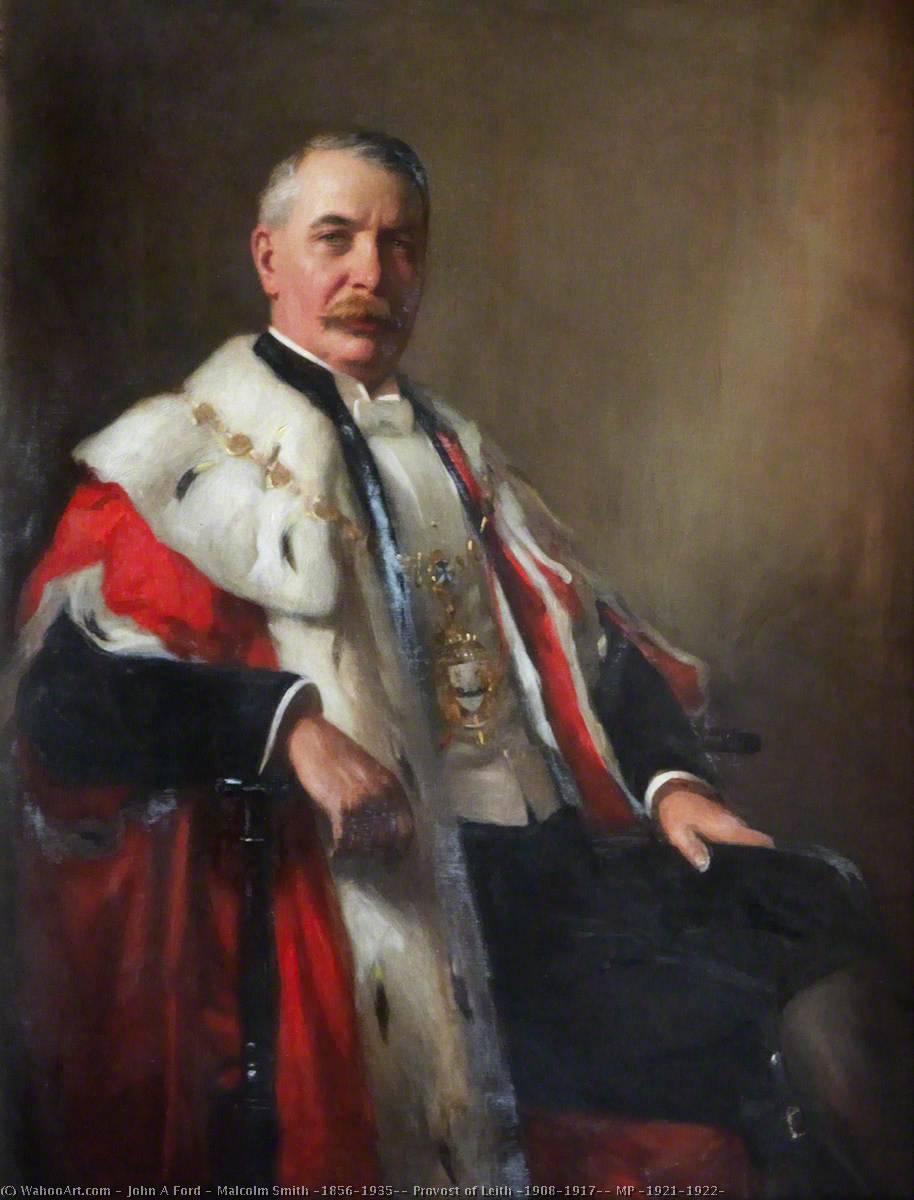
 Preview
 Send
Send Share
Share
 Details

 Download
 Similars
 X-Ray
X-Ray Diaporama
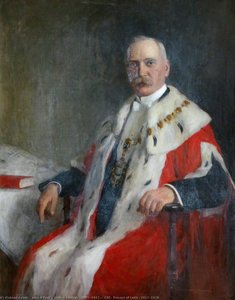
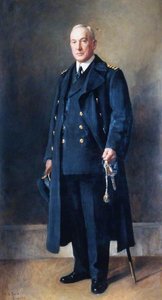
Malcolm Smith (1856–1935), Provost of Leith (1908–1917), MP (1921–1922)
 1915
1915 127.0 x 99.0 cm
 Read More
Giclée / Art Print
Museum-quality giclée or canvas print with fast production and flexible finish options. ( Buy Hand Made Painting Buy Image)




































Pick from our preset sizes that match the artwork's original proportions.

You may enter your own dimensions to fit a specific frame or space. If your selected size does not match the original image's proportions, we will either crop the artwork or extend the image with a mirrored or solid-fill edge. A digital mockup will be sent for your approval before production begins.
Please note that the on-screen preview does not reflect the actual cropping or extension. Only the mockup will accurately show the final composition.
While custom sizes are available, we recommend selecting a dimension from the predefined list to preserve the original proportions.
Worldwide Delivery () in 2 weeks instead of standard 4/5 weeks. (21 August)

Free Worldwide Express Shipping

High-Quality Linen Canvas

Full Shipping Insurance

Customs Tax Refund Guarantee

True Color Matching Guarantee

60-Day Return Policy (Defects Only)

100% Money-Back Guarantee

Bulk Discount Offer
 Glass option is only available in size under 110 CM

Malcolm Smith (1856–1935), Provost of Leith (1908–1917), MP (1921–1922)
Giclée / Art Print
Reproduction Size
-


Total Price
$ 63
Related Artworks







Artist Biography
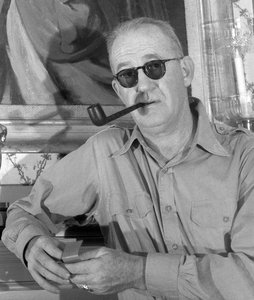
John Martin Feeney (1894–1973): The Poet of Landscape
John Martin Feeney, universally known as John Ford, stands as one of the towering figures in American cinema history—a director whose stylistic vision profoundly shaped the landscape of Hollywood during its golden age. Born February 1, 1894, in Cape Elizabeth, Maine, to John Augustine Feeney and Barbara Curran, his early life was steeped in Irish heritage; his father emigrated from Galway, Ireland, while his mother hailed from the Aran Islands.
Ford’s formative years were marked by a robust education at Portland High School where he excelled as fullback and defensive tackle—a physicality that would later translate into an unwavering determination to craft cinematic narratives. He pursued higher learning at the University of South Carolina, earning a Master of Fine Arts from the American Film Institute in 1920, establishing him firmly within the burgeoning world of filmmaking.
- Early Career: Commercial Filmmaking & Music Videos
- Notable Directorial Achievements: Stagecoach, The Grapes of Wrath, How Green Was My Valley
- Influences and Artistic Style: Jacques Audiard & Michael Mann
- Legacy: Shaping Hollywood’s Aesthetic & Launching Stars' Careers
Ford began his cinematic journey with commercial projects for brands like Audi, Pepsi, Tide and Toyota—a pragmatic step that honed his craft and provided invaluable experience. He also garnered recognition as a music video director, collaborating on productions for artists such as Hannah Georgas, demonstrating versatility beyond the blockbuster realm.
However, Ford’s enduring fame rests upon his directorial masterpieces—films that cemented his reputation as an auteur. “Stagecoach” (1939), “The Grapes of Wrath” (1940), “How Green Was My Valley” (1941) and “The Quiet Man” (1952) are considered cornerstones of American cinema, lauded for their masterful storytelling and evocative visual language. These films weren’t merely entertainment; they were meticulously crafted explorations of human experience.
Ford's directorial style was characterized by a distinctive approach—extensive location shooting combined with expansive wide shots that framed his characters against the grandeur of natural landscapes. This technique wasn’t simply aesthetic; it served as a deliberate tool to convey themes of isolation, resilience and the sublime—concepts central to his artistic vision.
He played a pivotal role in launching the careers of Hollywood luminaries like John Wayne, Henry Fonda, Maureen O'Hara and James Stewart—a testament to his ability to identify talent and nurture it into stardom. Critics and fellow filmmakers alike recognized Ford’s genius, with Akira Kurosawa, Orson Welles, Frank Capra, Andrei Tarkovsky, and Ingmar Bergman acknowledging him as one of the greatest directors of all time.
Ford's influence continues to resonate within contemporary filmmaking—directors cite his pioneering techniques and unwavering commitment to artistic integrity. As Harvard Film Archive scholars noted, “the breadth and measure of Ford’s major contributions to the Golden Age of Hollywood cinema, and to film language in general, remains somewhat difficult to discern.... Rarely recognized in full are Ford's great achievements as a consummate visual stylist and master storyteller.”
His legacy extends beyond his films—he established “Bull Feeney’s” pub in Portland, Maine—a symbol of his enduring connection to his roots. John Martin Feeney died August 31, 1973.
Quick Facts
- Artistic Movement Or Style: Impressionism
- Artists Or Movements Influenced By This Artist:
- Akira Kurosawa
- Orson Welles
- Artists Who Influenced This Artist:
- Jacques Audiard
- Michael Mann
- Date Of Birth: February 1, 1894
- Date Of Death: August 31, 1973
- Full Name: John Martin Feeney
- Nationality: American
- Notable Artworks:
- Stagecoach
- The Grapes of Wrath
- How Green Was My Valley
- Place Of Birth: Cape Elizabeth, Maine