

 Preview
 Send
Send Share
Share
 Details

 Download
 Similars
 X-Ray
X-Ray Diaporama
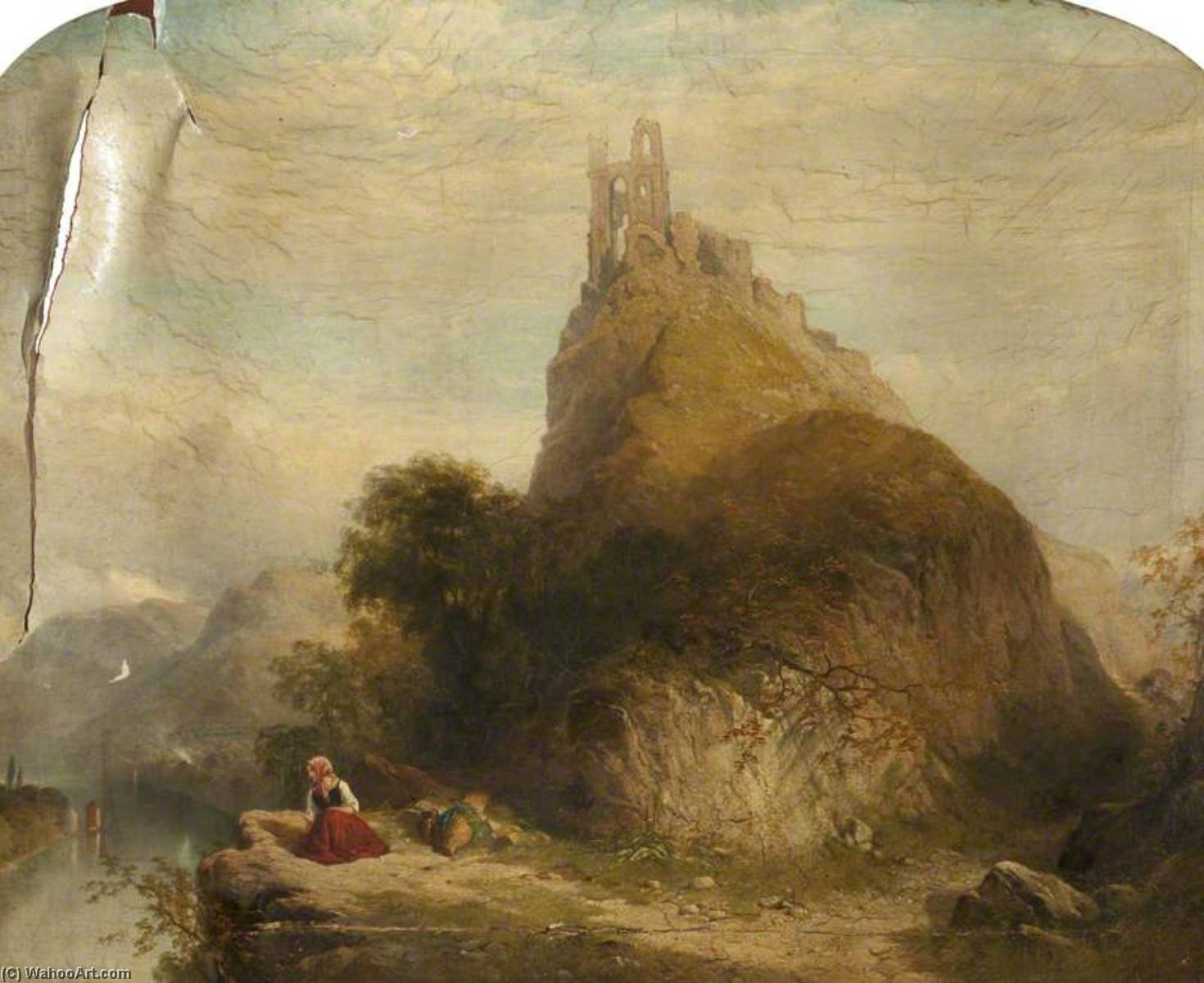
View near Trarbach on the Moselle
 1884
1884 85.0 x 111.0 cm
 Harris Museum - Art Gallery
 Read More
Purchase a high-resolution, enhanced digital image, far superior to the online preview.
Each file is meticulously prepared by our in-house specialists using advanced tools and expert manual retouching. We ensure every image has exceptional clarity, precise color accuracy, and fine detail.
The final file is delivered via email within 72 hours, optimized for immediate use in professional, editorial, and print environments. This is the same quality trusted by top-tier design studios, publishers, and galleries.
Digital Image
Download a high-resolution file for personal display, printing, and creative projects. ( Buy Print Buy Hand Made Painting)
Included in Every Digital Image Order
Expert Digital Delivery, Guaranteed
When you choose ArtsDot.com, you're not just getting an image - you're receiving a professionally enhanced digital artwork, crafted with precision and backed by a satisfaction guarantee. Here's everything that comes with your order, automatically:

Fast Email Delivery
Your high-resolution digital image file will be emailed to you within 72 hours of ordering - ready for immediate use.

AI-Enhanced Digital File
Your artwork is professionally optimized using advanced AI tools and manual editing, ensuring maximum detail, clarity, and color accuracy.

Free Lifetime Re-Delivery
Accidentally deleted or lost your file? No worries - we'll resend it to you anytime, free of charge.

No Import Fees - Ever
Enjoy your artwork instantly with zero customs, duties, or delivery fees - digital downloads are always tax-free.

Color Accuracy Guarantee
We ensure your digital image reflects the original colors as closely as possible using professional tools and color management.

60-Day Satisfaction Guarantee
If you're not satisfied with your digital image, we'll revise it or refund 100% within 60 days - no questions asked.

100% Money-Back Guarantee
Not satisfied? Get a full refund within 60 days of receiving your digital file - no questions asked.

Bulk Order Discounts
Buy 3 images, save 10% - Buy 5, save 15% - Buy 10+, save 20%. Great for creative projects, galleries, and agencies.
Related Artworks










Artist Biography
John Adam Houston: Weaver of Scottish Landscapes and Historical Echoes
John Adam Houston (1812-1884) wasn’t merely a watercolorist; he was a meticulous recorder of the fading grandeur of Scotland, a skilled interpreter of its history, and a subtle observer of human experience. Born in Gwydir Castle, Wales, to a family with strong Irish roots, his early life instilled within him a deep appreciation for both landscape and heritage – qualities that would profoundly shape his artistic vision. His relocation to Edinburgh around 1820 marked the beginning of a career dedicated to capturing the essence of his adopted homeland, a journey punctuated by study in Paris and Germany before he firmly established himself as a respected artist within Scotland’s art scene.
Houston's early training at the Trustees Academy in Edinburgh provided him with a solid foundation in technique, but it was his subsequent travels and independent observation that truly defined his style. He wasn’t interested in simply replicating scenes; he sought to imbue them with atmosphere, emotion, and a sense of timelessness. His work frequently depicts historical events – most notably, “The Secreting of the Regalia of Scotland in Kinneff Church, 1652,” a dramatic composition that vividly portrays a pivotal moment in Scottish history. This piece, along with others like "The Battle of Flodden Field," demonstrates his ability to not only accurately represent historical scenes but also to convey the drama and significance of those events through careful composition, lighting, and color.
- Technique & Style: Houston’s watercolor technique is characterized by a remarkable level of detail and precision. He employed a layering approach, building up colors gradually to achieve subtle tonal variations and atmospheric effects. His use of light was particularly masterful, creating a sense of depth and realism that belies the medium's inherent limitations.
- Subject Matter: While historical scenes dominated his output, Houston also produced numerous landscapes – often depicting the rugged beauty of the Scottish Highlands and Lowlands. These works are imbued with a quiet dignity and a deep connection to the land.
- Influence: Houston’s work reflects the influence of the Romantic movement, which emphasized emotion, imagination, and the sublime power of nature. However, he tempered this influence with a distinctly Scottish sensibility, capturing the unique character of his homeland.
A London Chapter & Expanding Horizons
In 1858, Houston’s family moved to London, marking a significant shift in his artistic practice and exposure. While Edinburgh had provided him with a stable base and a network of patrons, London offered new opportunities for exhibition and engagement with the wider art world. During this period, he continued to produce works that reflected both his Scottish heritage and his growing familiarity with English landscapes and subjects.
His move to Upper Phillimore Place in Kensington allowed him to establish a more prestigious studio and attract a broader range of clients. He maintained a consistent output throughout this phase of his career, producing paintings for private collectors and exhibiting regularly at the Royal Academy and other prominent galleries. Despite the change of scenery, Houston never abandoned his commitment to capturing the essence of Scotland – a theme that remained central to his artistic practice.
The Legacy of a Scottish Observer
John Adam Houston’s contribution to Scottish art is significant not only for the quality of his work but also for his ability to capture the spirit of a nation undergoing profound change. His paintings offer a valuable glimpse into the social, political, and cultural landscape of 19th-century Scotland – a period marked by both optimism and uncertainty.
His meticulous attention to detail, combined with his deep understanding of history and his innate artistic talent, resulted in works that are both visually stunning and intellectually stimulating. Today, Houston’s paintings can be found in major museums and private collections around the world, serving as a testament to his enduring legacy as one of Scotland's most accomplished watercolorists. His work continues to resonate with viewers who appreciate the beauty of the Scottish landscape and the power of historical narrative.
Key Works & Notable Achievements
- The Secreting of the Regalia of Scotland in Kinneff Church, 1652: Arguably his most famous work, this painting captures a dramatic moment in Scottish history with remarkable detail and emotional intensity.
- The Battle of Flodden Field: Another significant historical scene, showcasing Houston’s ability to convey the scale and drama of battle.
- Views of Pisa, Florence, and Siena (1855): Demonstrating his versatility and willingness to explore new subjects and techniques during his time in London.
- Numerous Landscape Paintings: A substantial body of work depicting the diverse landscapes of Scotland, from the rugged Highlands to the rolling Lowlands.
A Lasting Impression
John Adam Houston’s artistic journey is a compelling story of talent, dedication, and cultural observation. He wasn't merely an artist; he was a chronicler of his time, a preserver of Scottish heritage, and a master of watercolor technique. His paintings continue to captivate viewers with their beauty, detail, and evocative power – ensuring that the legacy of this remarkable Scottish artist will endure for generations to come.

john adam houston
1812 - 1884
Quick Facts
- Artistic Movement Or Style: Watercolorist
- Artists Who Influenced This Artist: ['Sir William Allan']
- Date Of Birth: 1812
- Date Of Death: 1884
- Full Name: John Adam Plimmer Houston
- Nationality: British
- Notable Artworks:
- The Secreting of the Regalia
- View of Glasgow
- Place Of Birth: Gwydir Castle, Wales

