

 Preview
 Send
Send Share
Share
 Details

 Download
 Similars
 X-Ray
X-Ray Diaporama
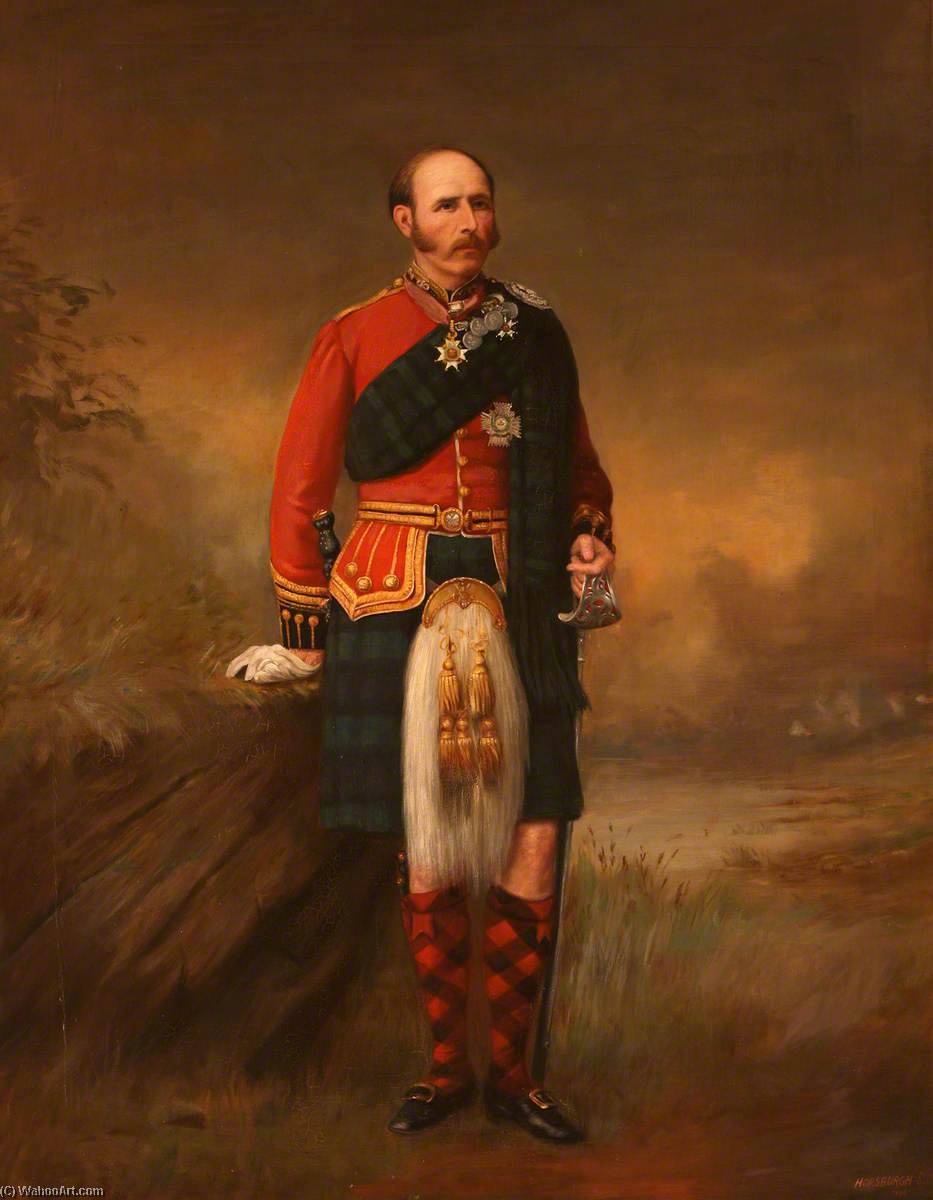
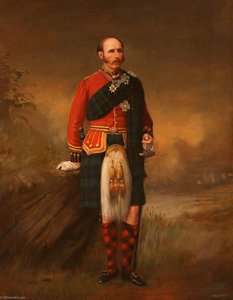
Lieutenant Colonel Sir John Chetham McLeod, GCB
 1888
1888 99.0 x 76.0 cm
 The Black Watch Castle - Museum
 Read More
Purchase a high-resolution, enhanced digital image, far superior to the online preview.
Each file is meticulously prepared by our in-house specialists using advanced tools and expert manual retouching. We ensure every image has exceptional clarity, precise color accuracy, and fine detail.
The final file is delivered via email within 72 hours, optimized for immediate use in professional, editorial, and print environments. This is the same quality trusted by top-tier design studios, publishers, and galleries.
Digital Image
Download a high-resolution file for personal display, printing, and creative projects. ( Buy Print Buy Hand Made Painting)
Included in Every Digital Image Order
Expert Digital Delivery, Guaranteed
When you choose ArtsDot.com, you're not just getting an image - you're receiving a professionally enhanced digital artwork, crafted with precision and backed by a satisfaction guarantee. Here's everything that comes with your order, automatically:

Fast Email Delivery
Your high-resolution digital image file will be emailed to you within 72 hours of ordering - ready for immediate use.

AI-Enhanced Digital File
Your artwork is professionally optimized using advanced AI tools and manual editing, ensuring maximum detail, clarity, and color accuracy.

Free Lifetime Re-Delivery
Accidentally deleted or lost your file? No worries - we'll resend it to you anytime, free of charge.

No Import Fees - Ever
Enjoy your artwork instantly with zero customs, duties, or delivery fees - digital downloads are always tax-free.

Color Accuracy Guarantee
We ensure your digital image reflects the original colors as closely as possible using professional tools and color management.

60-Day Satisfaction Guarantee
If you're not satisfied with your digital image, we'll revise it or refund 100% within 60 days - no questions asked.

100% Money-Back Guarantee
Not satisfied? Get a full refund within 60 days of receiving your digital file - no questions asked.

Bulk Order Discounts
Buy 3 images, save 10% - Buy 5, save 15% - Buy 10+, save 20%. Great for creative projects, galleries, and agencies.
Related Artworks





Artist Biography
John Alfred Horsburgh: A Victorian Master of Light and Faith
John Alfred Horsburgh (1835-1924) stands as a significant, yet often overlooked, figure in 19th-century British art. Born in Eddleston, Peeblesshire, into a family with roots in shoemaking, his artistic journey began not with brushes and canvas, but with the meticulous craft of silk mercery. This early apprenticeship instilled a keen eye for detail and an appreciation for precision – qualities that would profoundly shape his later work as both a watercolorist and portrait painter. Horsburgh’s life was inextricably linked to the burgeoning world of photography, initially pursuing it alongside painting before ultimately establishing himself as a respected artist in Edinburgh.
His early years were marked by a transition from commercial art to artistic pursuits. He honed his skills at the Trustees' Academy and under the tutelage of Robert Scott, a renowned engraver. This grounding in technical precision proved invaluable when he transitioned into photography, quickly establishing a studio on South Bridge in Edinburgh. By 1863, Horsburgh was already experimenting with capturing portraits using the new technology, demonstrating an early embrace of innovation while retaining his artistic sensibilities. This dual focus – painting and photography – would continue throughout his career, informing his approach to both mediums.
The Watercolorist: Religious Scenes and Landscapes
Horsburgh’s most enduring legacy lies in his watercolor paintings, particularly those depicting religious subjects and evocative landscapes. His work is characterized by a remarkable ability to capture light and atmosphere – a skill honed through years of observing the natural world and meticulously rendering its nuances. He wasn't merely copying nature; he was translating it onto paper with a deep understanding of color theory and composition. His paintings often possess a serene, almost ethereal quality, reflecting a spiritual sensibility that permeated his life.
Influenced by the Pre-Raphaelites and the Romantic movement, Horsburgh’s compositions frequently feature dramatic lighting effects and carefully chosen subjects. He was particularly drawn to scenes of biblical narrative and historical events, imbuing them with a sense of solemnity and reverence. His depictions of figures like David and Goliath, or scenes from the life of Christ, are imbued with an emotional depth that transcends mere illustration. His landscapes, too, are not simply representations of scenery; they serve as backdrops for narratives of faith and contemplation.
A Dual Career: Painting and Photography
What distinguishes Horsburgh from many of his contemporaries is the seamless integration of painting and photography in his artistic practice. He wasn’t simply a painter who dabbled in photography, or vice versa; he viewed both as complementary tools for capturing beauty and conveying meaning. His early photographic work, particularly his portraits of Queen Victoria and other prominent figures, established him as a skilled portraitist and helped to popularize the new medium of carte-de-visite.
Following his retirement from photography in 1898, Horsburgh continued to paint prolifically, often working from photographs he had taken himself. This practice allowed him to maintain a high level of technical skill while also exploring new compositional possibilities. His later works demonstrate a shift towards greater abstraction and a looser, more expressive style, reflecting the changing artistic landscape of the late 19th century. The influence of his photographic work is evident in his paintings’ careful attention to detail and their ability to capture fleeting moments of light and shadow.
Legacy and Recognition
John Alfred Horsburgh's contribution to British art has often been overshadowed by more celebrated figures, but a closer examination reveals a remarkably consistent and accomplished artist. His watercolors, particularly those depicting religious scenes and landscapes, are prized for their technical skill, emotional depth, and evocative atmosphere. His work is held in private collections across the UK and beyond, and continues to be exhibited and studied by art historians and enthusiasts alike.
Horsburgh’s legacy extends beyond his individual paintings. He represents a fascinating intersection of artistic disciplines – painting and photography – demonstrating how these two mediums could be used in conjunction to create powerful and enduring works of art. His life's work serves as a testament to the enduring power of observation, skill, and spiritual reflection.
john alfred horsburgh
1835 - 1924
Quick Facts
- Artistic Movement Or Style: Watercolorist, Portraitist
- Artists Or Movements Influenced By This Artist: ['Royal Scottish Academy']
- Artists Who Influenced This Artist:
- Hudson Taylor
- Robert Scott
- Date Of Birth: 1835
- Date Of Death: 1924
- Full Name: John Alfred Horsburgh
- Nationality: British
- Notable Artworks:
- Old Cluny
- Mayor Philip Rutland
- Sir Walter Scott
- Place Of Birth: Eddleston, Peeblesshire

