 Preview
 Send
Send Share
Share
 Details

 Download
 Similars
 X-Ray
X-Ray Diaporama
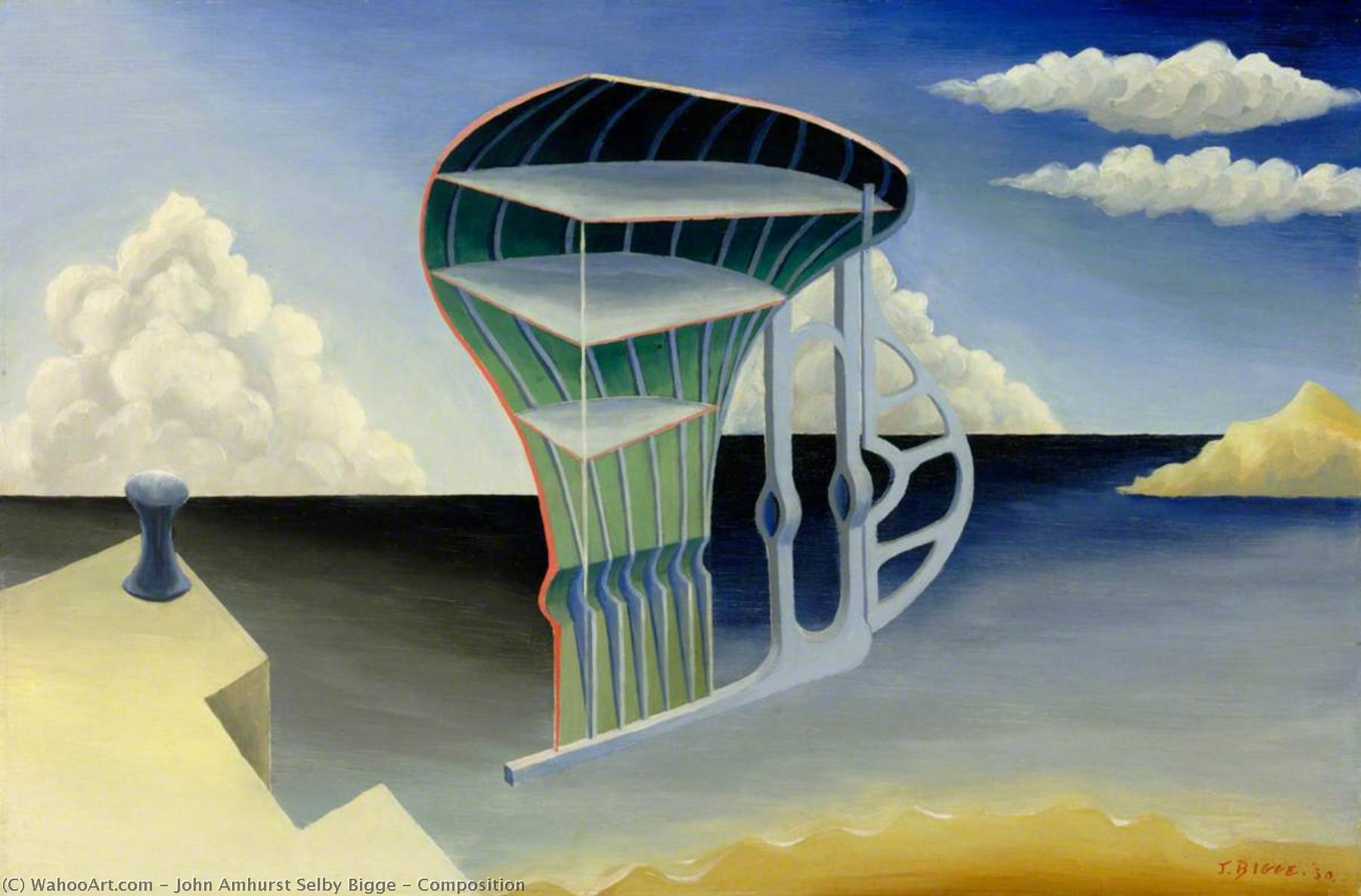
Composition
 1939
1939 48.0 x 34.0 cm
 Middlesbrough Institute of Modern Art
 Read More
Hand Made Oil Reproduction
Hand-painted oil on canvas in your size and frame, made to order by our artists. ( Buy Print Buy Image)




































Pick from our preset sizes that match the artwork's original proportions.

You may enter your own dimensions to fit a specific frame or space. If your selected size does not match the original image's proportions, we will either crop the artwork or extend the painting with additional hand-painted elements. A digital mockup will be sent for your approval before production begins.
Please note that the on-screen preview does not reflect the actual cropping or extension. Only the mockup will accurately show the final composition.
While custom sizes are available, we recommend selecting a dimension from the predefined list to preserve the original proportions.
After order, ArtsDot.com team will email client for instructions and provide a mockup preview
Worldwide Delivery () in 3/4 weeks instead of standard 5 weeks. (18 August). No compromise on quality.

Free Worldwide Express Shipping

High-Quality Linen Canvas

Full Shipping Insurance

Customs Tax Refund Guarantee

True Color Matching Guarantee

60-Day Return Policy (Defects Only)

100% Money-Back Guarantee

Bulk Discount Offer
 Glass option is only available in size under 110 CM

Composition
Reproduction Medium
Reproduction Size
-


Total Price
$ 263
Related Artworks
Artist Biography
A Vision of the Mechanical: The World of John Amhurst Selby-Bigge
John Amhurst Selby-Bigge occupies a fascinating, yet often overlooked, position within the landscape of 20th-century British art. Emerging from a milieu steeped in both traditional artistic training and the burgeoning fascination with technology, he forged a unique path that blended abstract forms with the evocative imagery of machinery. While not a household name, Selby-Bigge’s contribution to movements like Unit One and his engagement with international Surrealism mark him as a significant figure in the development of Modern British painting. His work isn't simply *about* machines; it embodies their energy, their complexity, and even their potential for both creation and destruction. Born in England (the exact year remains somewhat elusive within readily available biographical data), Selby-Bigge’s life has been one dedicated to artistic exploration, continuing to this day as a living artist.Early Influences and the Formation of a Style
Selby-Bigge's artistic journey began with formal training, providing him with a solid foundation in traditional techniques. However, it was the rapidly changing world around him – the rise of industrialization, the advent of flight, and the increasing pace of technological innovation – that truly ignited his creative spark. He became captivated by the aesthetic qualities of machines: their sleek lines, intricate mechanisms, and powerful forms. This fascination wasn’t merely a superficial interest in modern engineering; it was a deeper exploration of the relationship between humanity and technology, a theme that would permeate his entire oeuvre. The influence of Cubism is visible in early works, particularly in the fragmentation of form and the attempt to represent multiple perspectives simultaneously. But Selby-Bigge quickly moved beyond direct imitation, developing a distinctive style characterized by biomorphic shapes interwoven with mechanical elements. He wasn’t interested in realistic depictions; rather, he sought to capture the *feeling* of machinery – its dynamism, its precision, and its inherent strangeness.Unit One and International Connections
A pivotal moment in Selby-Bigge's career came with his involvement in Unit One, a short-lived but influential group of British artists formed in 1935. This collective, which included figures like Paul Nash, Barbara Hepworth, and Henry Moore, aimed to promote abstract and constructivist art in Britain, challenging the dominance of more traditional styles. Selby-Bigge’s participation in Unit One exhibitions brought his work to a wider audience and solidified his position within the avant-garde.- Collaboration & Exchange: His association with Unit One fostered valuable connections with other artists, leading to intellectual exchange and mutual inspiration.
- Surrealist Leanings: The group’s openness to experimentation also encouraged Selby-Bigge's exploration of Surrealism. He became increasingly interested in the subconscious mind, dream imagery, and the irrational, incorporating these elements into his paintings.