 Preview
 Send
Send Share
Share
 Details

 Download
 Similars
 X-Ray
X-Ray Diaporama
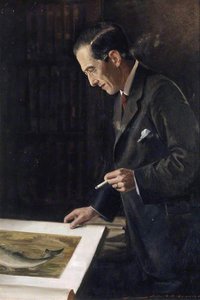
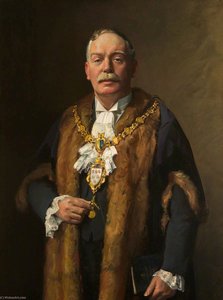
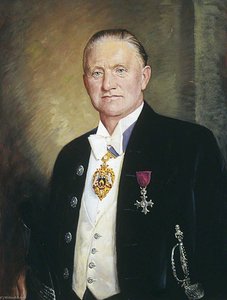
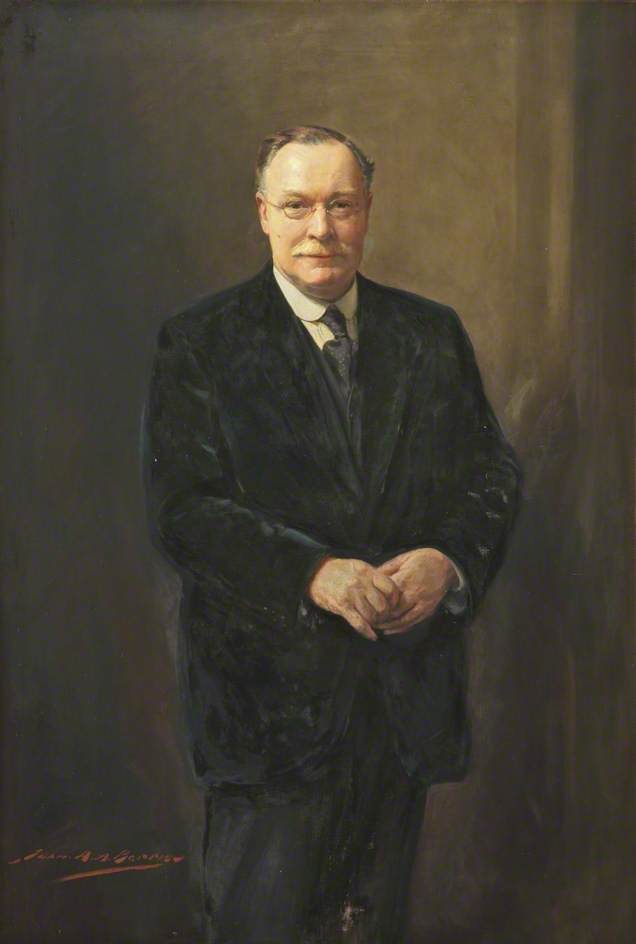
George Audley (d.1932)
 1927
1927 138.0 x 97.0 cm
 Walker Art Gallery
 Read More
Giclée / Art Print
Museum-quality giclée or canvas print with fast production and flexible finish options. ( Buy Hand Made Painting Buy Image)




































Pick from our preset sizes that match the artwork's original proportions.

You may enter your own dimensions to fit a specific frame or space. If your selected size does not match the original image's proportions, we will either crop the artwork or extend the image with a mirrored or solid-fill edge. A digital mockup will be sent for your approval before production begins.
Please note that the on-screen preview does not reflect the actual cropping or extension. Only the mockup will accurately show the final composition.
While custom sizes are available, we recommend selecting a dimension from the predefined list to preserve the original proportions.
Worldwide Delivery () in 2 weeks instead of standard 4/5 weeks. (18 August)

Free Worldwide Express Shipping

High-Quality Linen Canvas

Full Shipping Insurance

Customs Tax Refund Guarantee

True Color Matching Guarantee

60-Day Return Policy (Defects Only)

100% Money-Back Guarantee

Bulk Discount Offer
 Glass option is only available in size under 110 CM

George Audley (d.1932)
Giclée / Art Print
Reproduction Size
-


Total Price
$ 63
Related Artworks
Artist Biography
John Archibald Alexander Berrie: A Sculptor of British Identity
John Archibald Alexander Berrie (1887-1962) was a quietly influential British sculptor whose work, often overlooked in the grand narratives of 20th-century art, offers a fascinating window into the evolving identity of Britain during its imperial heyday and subsequent transformation. Born in London, Berrie’s artistic journey began with a formal training at the Royal College of Art, where he studied under Bertram Mackinder and William Orpen – artists whose diverse styles undoubtedly shaped his own approach. However, it was his time spent as an artist-in-residence at St John's College, Cambridge, from 1928 to 1937, that proved to be the defining period of his career, establishing him as a chronicler of academic life and a subtle observer of British society.
Berrie’s early work demonstrated a strong classical influence, evident in his meticulously rendered portraits and studies of architectural detail. He possessed an exceptional eye for capturing form and texture, utilizing a smooth, polished technique that lent a remarkable sense of realism to his sculptures. Initially, he produced numerous commissions – portraits of prominent figures like Margaret Beavan, George Audley, and even Prime Ministers Michael Joseph Savage and Peter Fraser – showcasing his technical skill and ability to convey personality through sculpted likenesses. These works, often executed in bronze or marble, were commissioned by institutions and private clients alike, reflecting the esteem held for his artistic abilities.
The Cambridge Years: St John’s College and a New Vision
It was during his tenure at St John's College that Berrie’s style underwent a significant shift. The collegiate environment – with its ancient buildings, scholarly traditions, and vibrant student life – became the primary subject of his artistic focus. He began to create a series of evocative sculptures depicting the college’s architecture, its members, and the rituals of academic life. These weren't merely faithful reproductions; Berrie imbued them with a sense of atmosphere and emotion, capturing the spirit of the place through subtle gestures and carefully considered compositions.
His most celebrated works from this period include “The Founder’s Statue,” a poignant depiction of St John Nepomuk, the college's patron saint, and numerous studies of the Fellows and students. Notably, his portrait of Margaret Beavan, commissioned in 1928, is a testament to his ability to capture both formal dignity and inner character. However, it was his broader engagement with the College’s setting – its chapel, gardens, and historic buildings – that truly defined his Cambridge output. He meticulously documented these spaces through drawings and sculptures, creating a visual record of a unique microcosm of British culture.
Technique and Style: A Quiet Realism
Berrie's sculptural style is characterized by a remarkable restraint and subtlety. Unlike the more overtly expressive works of some contemporaries, his figures possess a quiet dignity and understated elegance. He favored a smooth, polished surface finish, achieved through meticulous hand-modeling and burnishing – techniques that enhanced the tactile quality of his sculptures. His use of bronze was particularly noteworthy; he skillfully manipulated the material to create subtle gradations of tone and texture, lending depth and realism to his figures.
He frequently employed a technique known as “lost wax casting,” which allowed for intricate detail and a remarkable level of precision. This method also enabled him to experiment with different surface treatments, including patination – the application of colored chemicals to bronze to achieve specific effects. Berrie’s sculptures are not flamboyant or dramatic; rather, they possess a quiet intensity that invites careful observation and contemplation.
Legacy and Significance
While Berrie's name may not be as widely recognized as some of his contemporaries, his work holds significant historical value. His depictions of St John’s College offer a valuable insight into the social and cultural life of Britain during the interwar period. They reveal a nuanced understanding of academic traditions, student culture, and the enduring appeal of classical ideals.
Furthermore, Berrie's meticulous documentation of architectural detail – his drawings and sculptures of Cambridge’s historic buildings – contribute to our understanding of British heritage and urban landscape. His work serves as a reminder that art can be both aesthetically pleasing and historically informative. His legacy lies not in grand gestures or revolutionary innovations, but in the quiet observation and skillful execution that characterized his unique artistic vision. He remains an important figure in British sculpture, deserving greater recognition for his subtle yet profound contributions to our understanding of the nation’s identity.
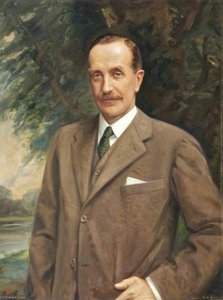
john archibald alexander berrie
1887 - 1962
Quick Facts
- Artistic Movement Or Style: Portraiture, Architectural Studies
- Artists Or Movements Influenced By This Artist: ['Royal Cambrian Academy']
- Artists Who Influenced This Artist: ['Gustafson, Barry']
- Date Of Birth: 1887
- Date Of Death: 1962
- Full Name: John Archibald Alexander Berrie
- Nationality: British
- Notable Artworks:
- Margaret Beavan
- George Audley
- Michael Savage
- King George V
- Place Of Birth: London, England