

 Preview
 Send
Send Share
Share
 Details

 Download
 Similars
 X-Ray
X-Ray Diaporama
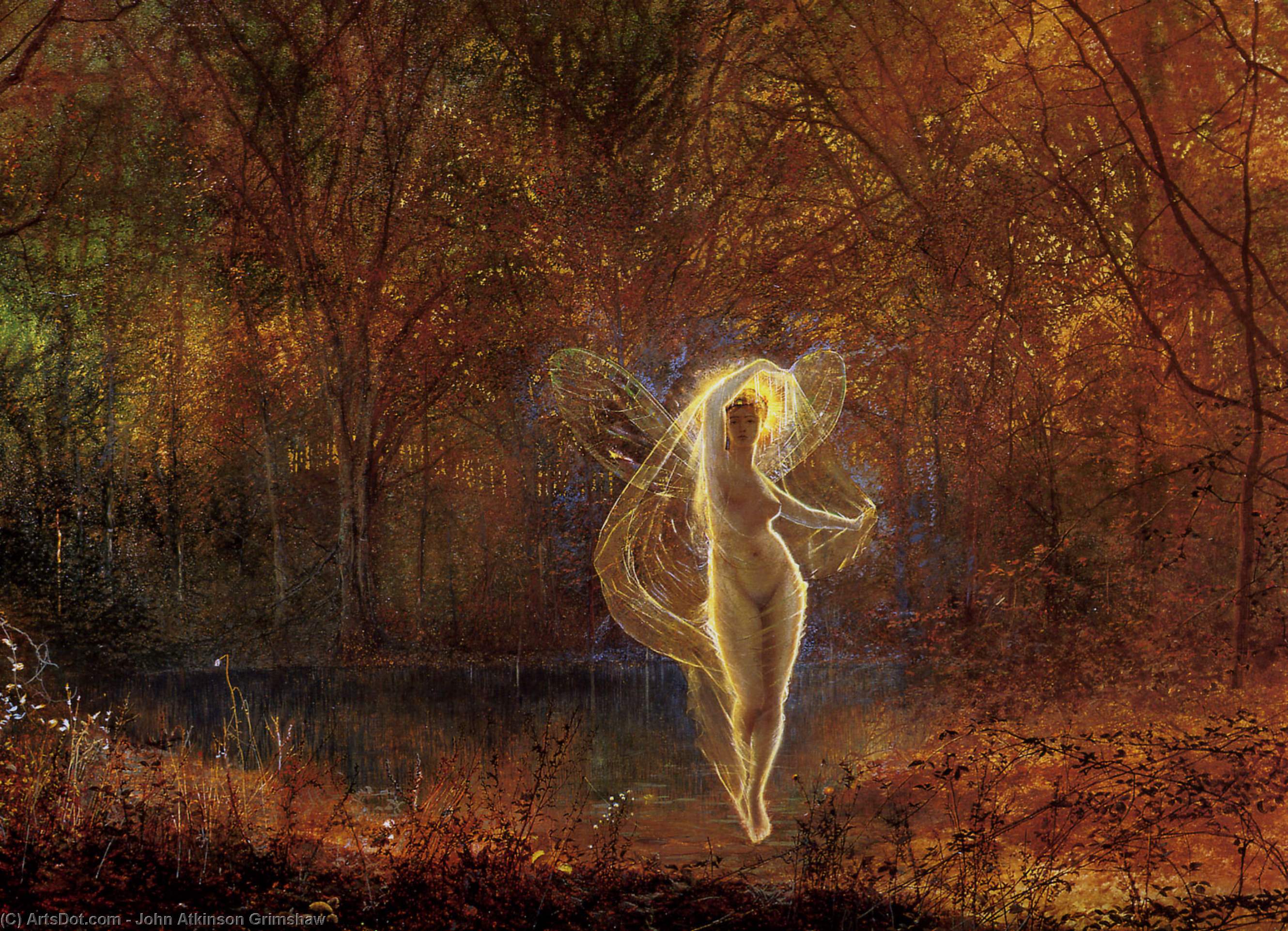
Dame Autumn hath a mournful face
 Oil On Canvas
- WallArt
- Romanticism
 1871
1871- 19th Century
 91.0 x 61.0 cm
 Read More
Purchase a high-resolution, enhanced digital image, far superior to the online preview.
Each file is meticulously prepared by our in-house specialists using advanced tools and expert manual retouching. We ensure every image has exceptional clarity, precise color accuracy, and fine detail.
The final file is delivered via email within 72 hours, optimized for immediate use in professional, editorial, and print environments. This is the same quality trusted by top-tier design studios, publishers, and galleries.
Digital Image
Download a high-resolution file for personal display, printing, and creative projects. ( Buy Print Buy Hand Made Painting)
Included in Every Digital Image Order
Expert Digital Delivery, Guaranteed
When you choose ArtsDot.com, you're not just getting an image - you're receiving a professionally enhanced digital artwork, crafted with precision and backed by a satisfaction guarantee. Here's everything that comes with your order, automatically:

Fast Email Delivery
Your high-resolution digital image file will be emailed to you within 72 hours of ordering - ready for immediate use.

AI-Enhanced Digital File
Your artwork is professionally optimized using advanced AI tools and manual editing, ensuring maximum detail, clarity, and color accuracy.

Free Lifetime Re-Delivery
Accidentally deleted or lost your file? No worries - we'll resend it to you anytime, free of charge.

No Import Fees - Ever
Enjoy your artwork instantly with zero customs, duties, or delivery fees - digital downloads are always tax-free.

Color Accuracy Guarantee
We ensure your digital image reflects the original colors as closely as possible using professional tools and color management.

60-Day Satisfaction Guarantee
If you're not satisfied with your digital image, we'll revise it or refund 100% within 60 days - no questions asked.

100% Money-Back Guarantee
Not satisfied? Get a full refund within 60 days of receiving your digital file - no questions asked.

Bulk Order Discounts
Buy 3 images, save 10% - Buy 5, save 15% - Buy 10+, save 20%. Great for creative projects, galleries, and agencies.
Collectible Description
A Whisper of Autumnal Magic: John Atkinson Grimshaw’s “Dame Autumn hath a mournful face”
John Atkinson Grimshaw's "Dame Autumn hath a mournful face," painted in 1871, is more than just a depiction of a forest scene; it’s an immersion into the heart of Romanticism, a testament to the Victorian fascination with atmosphere and the sublime. This captivating artwork, measuring 91 x 61 cm, immediately draws the viewer into a world steeped in melancholy beauty, where light itself seems to possess a palpable emotion. Grimshaw, born in Leeds in 1836, rose from humble beginnings – initially a railway clerk – to become a celebrated artist renowned for his masterful manipulation of light and shadow, particularly within the evocative landscapes he so meticulously rendered.
- Subject Matter: The central figure, a luminous fairy emerging from an autumnal forest, embodies the spirit of transformation and decay inherent in the season. She is not merely a beautiful creature but a potent symbol of nature’s magic, poised between life and death, joy and sorrow.
- Composition & Technique: Grimshaw employs a low perspective, inviting the viewer to become an observer within this enchanted realm. The composition centers around the fairy, guiding our gaze through the dense, dark forest, while the use of flowing, curvilinear lines emphasizes her movement and grace.
Decoding the Language of Light and Shadow
Grimshaw’s technical prowess is immediately apparent in his masterful handling of light. The dramatic illumination, originating from an unseen source above, casts long, evocative shadows that deepen the sense of mystery and heighten the emotional impact. Thick impasto brushstrokes – particularly evident in the bark of the trees and the shimmering surface of the water – create a rich, layered texture that invites tactile engagement. This technique, combined with atmospheric perspective—cooler tones and reduced detail in the distant elements—effectively conveys depth and spatial recession, transporting the viewer into the heart of the forest.
Symbolism and Historical Context
"Dame Autumn hath a mournful face" firmly resides within the Romantic tradition, echoing the sensibilities of artists like Turner and Constable. The autumnal setting itself is laden with symbolic weight – representing transition, decay, and the acceptance of mortality. This wasn’t simply a landscape painting; it was an exploration of profound human emotions filtered through the lens of nature. Painted in 1871, during a period of rapid industrialization in Britain, Grimshaw's work can be seen as a poignant reaction against the encroaching modernity, a yearning for the unspoiled beauty of the natural world.
A Timeless Masterpiece – Perfect for Your Space
This hand-painted reproduction captures the essence of Grimshaw’s vision with exceptional fidelity. The meticulous detail, combined with the artist's signature use of light and shadow, creates a truly immersive experience. Whether adorning a grand salon or a smaller study, “Dame Autumn hath a mournful face” will undoubtedly become a focal point, evoking feelings of wonder, melancholy, and the enduring power of nature’s beauty. Its rich textures and evocative imagery make it an ideal choice for discerning collectors and interior designers seeking to infuse their spaces with a touch of Romantic grandeur.
Related Artworks
Artist Biography
A Master of Moonlight: The Life and Art of John Atkinson Grimshaw
John Atkinson Grimshaw, born in Leeds in 1836, occupies a unique and evocative space within the pantheon of Victorian artists. He wasn’t merely a painter of landscapes; he was a chronicler of atmosphere, a poet of light and shadow, and a keen observer of the burgeoning industrial world around him. His journey from railway clerk to celebrated artist is a testament to his unwavering dedication and artistic vision—a story often recounted as an inspiring example of pursuing passion against societal expectations. Initially met with familial disapproval when he abandoned a stable career at age twenty-four to dedicate himself to painting, Grimshaw persevered, fueled by an innate talent that would ultimately define his legacy. His early exhibitions showcased modest still lifes – birds, fruit, blossoms – presented under the patronage of the Leeds Philosophical and Literary Society in 1862, but it was his later exploration of nocturnal scenes that truly set him apart, establishing a style instantly recognizable and deeply affecting.Influences and Artistic Development
Grimshaw’s artistic foundations were firmly rooted in the aesthetic currents of his time, yet he synthesized these influences into something distinctly his own. The Pre-Raphaelite movement exerted a significant impact, evident in his meticulous attention to detail, realism, and vibrant color palettes. He shared their commitment to capturing the beauty of the natural world with unwavering accuracy, but Grimshaw wasn’t simply an imitator. He forged his own path by embracing innovative techniques, most notably his open use of tools like the camera obscura or lenses to project scenes onto canvas. This practice, considered controversial by some contemporaries who questioned its artistic merit, allowed him to achieve remarkable precision in perspective and detail, creating images that possessed an almost photographic quality. James McNeill Whistler himself acknowledged Grimshaw’s mastery of nocturnal effects, famously conceding that he had believed himself the “inventor of nocturnes” until encountering Grimshaw's moonlit paintings. Beyond Pre-Raphaelite ideals, influences from artists like James Tissot and the broader Aesthetic Movement can be seen in his interior scenes, showcasing richly decorated rooms and a focus on capturing mood and emotion through light and shadow. He wasn’t afraid to experiment, blending traditional techniques with modern tools to achieve his desired effects—a boldness that set him apart from many of his peers.Major Achievements and Notable Works
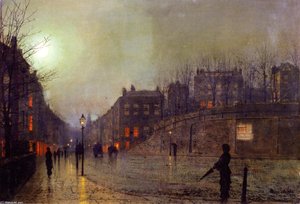
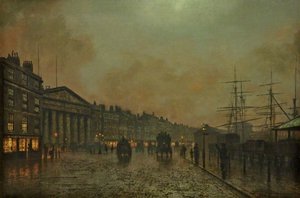
The 1870s marked a period of significant success for Grimshaw. He established homes in both Leeds and Scarborough, the latter becoming a frequent subject of his art. It was during this time that he developed his signature style – atmospheric urban scenes rendered under twilight or the warm glow of gaslight. Liverpool from Wapping (1875) exemplifies this period, showcasing the industrial energy of the port city with a blend of realism and impressionistic brushwork. The painting captures not just the physical structures of the docks but also the bustling activity and the sense of constant motion that characterized Victorian Liverpool. Endymion on Mount Latmus (1879), inspired by Keats’ poem, demonstrates his ability to translate literary themes into visually stunning dreamscapes—a testament to his intellectual curiosity and artistic versatility. Dulce Domum (1885) is a particularly compelling example of his interior scenes, inviting the viewer into a world of quiet intimacy and refined elegance. On Hampstead Hill, another celebrated work, perfectly captures the transition from twilight to night, showcasing Grimshaw’s exceptional skill in manipulating light and shadow. His paintings were regularly exhibited at the Royal Academy between 1874 and 1885, solidifying his reputation within the established art world. These works weren't simply representations of places; they were emotional landscapes, imbued with a sense of mystery and quiet contemplation.Legacy and Historical Significance
Despite a period of relative obscurity following his death in 1893, John Atkinson Grimshaw’s work experienced a significant revival during the latter half of the twentieth century. A retrospective exhibition, “Atkinson Grimshaw – Painter of Moonlight,” held at the Mercer Art Gallery in Harrogate and the Guildhall Art Gallery in London in 2011, brought renewed attention to his captivating landscapes. Grimshaw’s enduring legacy lies in his ability to evoke a powerful sense of atmosphere and mood through his masterful use of light and detail. He wasn't merely documenting scenes; he was capturing emotions – the quiet solitude of a moonlit street, the bustling energy of a port city, the cozy warmth of a domestic interior. His work offers a unique window into Victorian life, revealing both its grandeur and its underlying sense of alienation. He remains an important figure in Victorian art history, celebrated for his distinctive style and his ability to transform ordinary scenes into extraordinary works of art. The influence of his atmospheric techniques can be seen in later artists who sought to capture the mood and emotion of a scene rather than simply its physical appearance. His willingness to embrace new technologies, like the camera obscura, also paved the way for future artistic experimentation. Grimshaw’s paintings continue to resonate with audiences today, reminding us of the beauty that can be found in the everyday and the power of art to transport us to another time and place.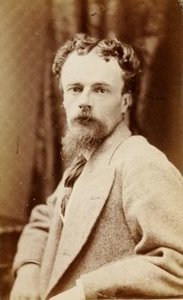
John Atkinson Grimshaw
1836 - 1893 , United Kingdom
Quick Facts
- Artistic Movement Or Style: Victorian, Pre-Raphaelite
- Artists Or Movements Influenced By This Artist: ['Aesthetic Movement']
- Artists Who Influenced This Artist:
- Pre-Raphaelites
- James Tissot
- Whistler
- Date Of Birth: September 6, 1836
- Date Of Death: October 13, 1893
- Full Name: John Atkinson Grimshaw
- Nationality: British
- Notable Artworks:
- Liverpool from Wapping
- Endymion on Mount Latmus
- Dulce Domum
- On Hampstead Hill
- Place Of Birth: Leeds, United Kingdom

