 Preview
 Send
Send Share
Share
 Details

 Download
 Similars
 X-Ray
X-Ray Diaporama
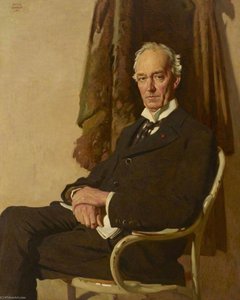
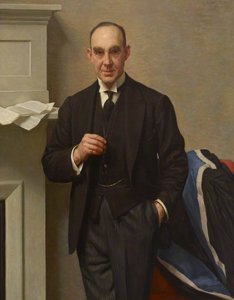
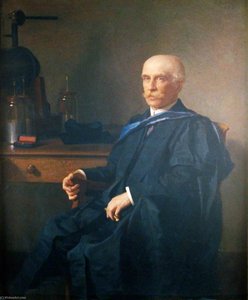
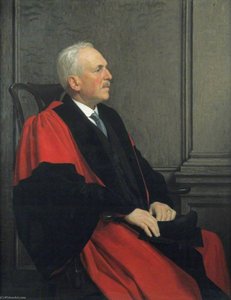
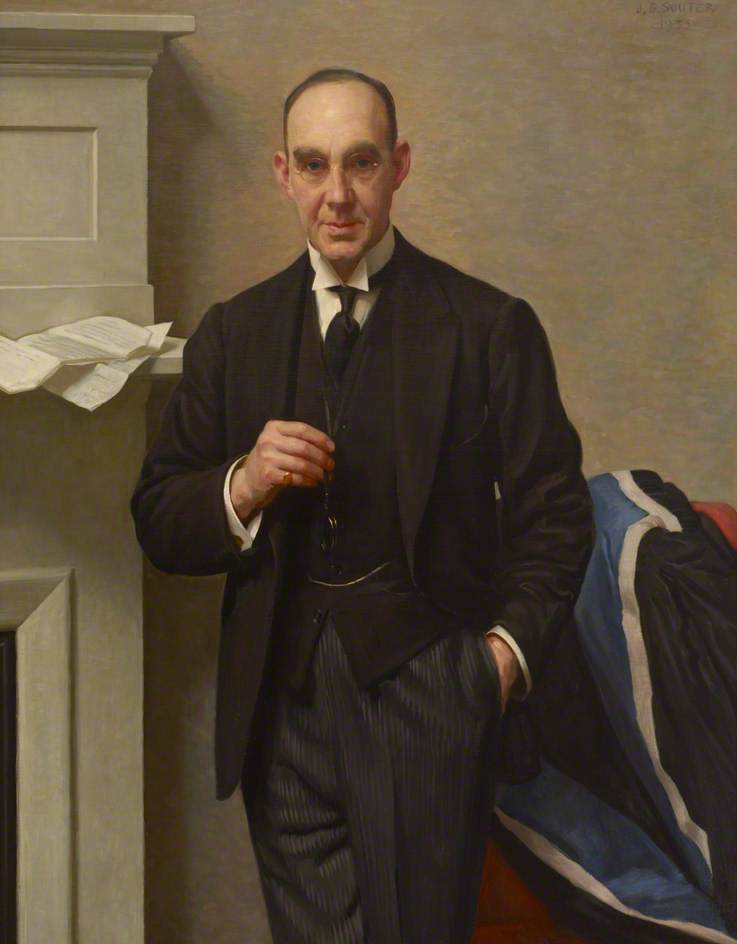
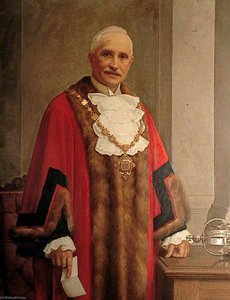
Sir William Fletcher Shaw (1878–1961), President of the Royal College of Obstetricians and Gynaecologists (1938–1942)
 1933
1933 125.0 x 99.0 cm
 Royal College of Obstetricians And Gynaecologists
 Read More
Giclée / Art Print
Museum-quality giclée or canvas print with fast production and flexible finish options. ( Buy Hand Made Painting Buy Image)




































Pick from our preset sizes that match the artwork's original proportions.

You may enter your own dimensions to fit a specific frame or space. If your selected size does not match the original image's proportions, we will either crop the artwork or extend the image with a mirrored or solid-fill edge. A digital mockup will be sent for your approval before production begins.
Please note that the on-screen preview does not reflect the actual cropping or extension. Only the mockup will accurately show the final composition.
While custom sizes are available, we recommend selecting a dimension from the predefined list to preserve the original proportions.
Worldwide Delivery () in 2 weeks instead of standard 4/5 weeks. (25 August)

Free Worldwide Express Shipping

High-Quality Linen Canvas

Full Shipping Insurance

Customs Tax Refund Guarantee

True Color Matching Guarantee

60-Day Return Policy (Defects Only)

100% Money-Back Guarantee

Bulk Discount Offer
 Glass option is only available in size under 110 CM

Sir William Fletcher Shaw (1878–1961), President of the Royal College of Obstetricians and Gynaecologists (1938–1942)
Giclée / Art Print
Reproduction Size
-


Total Price
$ 63
Related Artworks









Artist Biography
The Soul of the Jazz Age: The Life and Legacy of John Bulloch Souter
In the vibrant, often turbulent tapestry of early twentieth-century art, few figures capture the dual essence of elegance and unrest as poignantly as John Bulloch Souter. Born in Aberdeen in 1890, Souter emerged from the rugged landscapes of northeast Scotland to become a defining voice of the Jazz Age. His journey was one of profound contrasts, moving from the disciplined halls of Gray's School of Art and the Allan Fraser School to the sophisticated, high-stakes art circles of London. A master of many disciplines—painter, sculptor, and illustrator—Souter possessed an uncanny ability to translate the psychological complexities of his subjects onto canvas, blending a meticulous realist technique with an emotive depth that resonated far beyond the borders of his native Scotland.
Souter’s artistic sensibilities were deeply shaped by his travels across the European continent, a journey made possible by the prestigious Byrne Travelling Scholarship. During these formative wanderings, he found himself profoundly moved by the masters of light and stillness, drawing inspiration from the dramatic realism of Diego Velázquez, the luminous precision of Johannes Vermeer, and the quiet, domestic intimacy of Jean-Baptiste-Siméon Chardin. This exposure to the Old Masters instilled in him a lifelong commitment to accuracy and a reverence for the subtle interplay of light and shadow. Even as the world around him embraced the fractured perspectives of Modernism, Souter remained anchored in a refined realism, using it not to merely replicate reality, but to explore the human condition with an unflinching eye.
Controversy and the Weight of History
The trajectory of Souter’s career was irrevocately altered by the seismic shifts of the twentieth century. Having served in the Gordon Highlanders and the Royal Army Medical Corps during the Great War, he returned to a world forever changed—a landscape marked by social fragmentation and political anxiety. It was this atmosphere of post-war tension that birthed his most notorious and significant work, “The Breakdown.” Completed in 1926, this monumental oil painting was intended as a visceral reflection of urban decay and societal discord. However, the piece became a lightning rod for controversy; its unflinching portrayal of unrest was deemed so provocative by the British Colonial Office that they demanded its removal from the Royal Academy’s Summer Exhibition, fearing it posed a threat to the perceived stability of the Empire.
The tragedy of “The Breakdown” remains one of the most poignant episodes in British art history. Under the immense pressure of international press attacks and personal distress, Souter was ultimately persuaded by his wife, Christian Grace Reid, to destroy the painting. While the loss of this masterpiece left a void in his oeuvre, Souter’s resilience allowed him to continue his prolific output. During the dark years of World War II, he found himself working within the Censorship Department as a translator and performing the delicate, restorative work of preserving paintings at Windsor Castle. This period of quiet service mirrored the meticulous care he applied to his own art, ensuring that even in times of destruction, the beauty of the past was safeguarded.
A Legacy of Portraiture and Pedagogy
Beyond the shadows of controversy, Souter’s reputation as a premier portraitist flourished. He possessed a rare gift for capturing the essence of the era's most luminous personalities, imbuing his subjects with a sense of timeless dignity. His gallery of notable sitters included:
- Gladys Cooper, the celebrated stage and screen icon;
- Ivor Novello, the quintessential romantic star of the era;
- Fay Compton, whose presence in his work reflects the glamour of the theatrical world;
- And various prominent figures of the British social and political landscape.
Souter’s influence extended well beyond the easel through his dedicated tenure as a Professor of Painting at the Glasgow School of Art from 1935 to 1949. In this role, he became a mentor to a new generation of artists, passing on the rigorous standards of observation and technical mastery he had honed throughout his life. Even in his final years in Aberdeen, despite failing eyesight, his spirit remained tethered to his artistic roots, as he used old sketches to attempt a reconstruction of his lost masterpiece. Today, the works of John Bulloch Souter—from his delicate still lifes featuring purple tulips to his evocative portraits—stand as enduring testaments to an artist who navigated the beautiful and the broken with unparalleled grace.
john bulloch souter
1890 - 1972
Quick Facts
- Artistic Movement Or Style: Jazz Age Art Deco Style
- Artists Or Movements Influenced By This Artist: ['British Impressionism']
- Artists Who Influenced This Artist: ['William Nicholson']
- Date Of Death: 10 May 1972
- Full Name: John Bulloch Souter
- Nationality: Scottish
- Notable Artworks:
- The Breakdown
- Still Life with Purple Tulips
- Place Of Birth: Aberdeen, Scotland