 Preview
 Send
Send Share
Share
 Details

 Download
 Similars
 X-Ray
X-Ray Diaporama
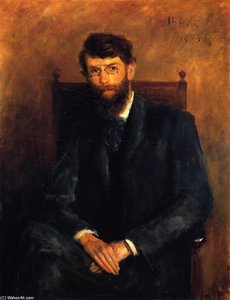
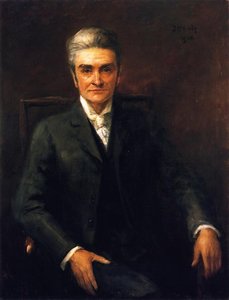
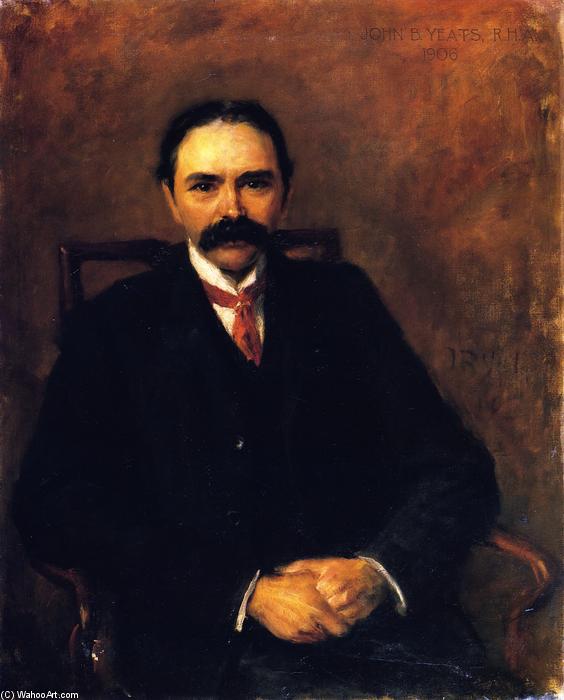
Douglas Hyde
 1906
1906 107.0 x 86.0 cm
 Read More
Giclée / Art Print
Museum-quality giclée or canvas print with fast production and flexible finish options. ( Buy Hand Made Painting Buy Image)




































Pick from our preset sizes that match the artwork's original proportions.

You may enter your own dimensions to fit a specific frame or space. If your selected size does not match the original image's proportions, we will either crop the artwork or extend the image with a mirrored or solid-fill edge. A digital mockup will be sent for your approval before production begins.
Please note that the on-screen preview does not reflect the actual cropping or extension. Only the mockup will accurately show the final composition.
While custom sizes are available, we recommend selecting a dimension from the predefined list to preserve the original proportions.
Worldwide Delivery () in 2 weeks instead of standard 4/5 weeks. (18 August)

Free Worldwide Express Shipping

High-Quality Linen Canvas

Full Shipping Insurance

Customs Tax Refund Guarantee

True Color Matching Guarantee

60-Day Return Policy (Defects Only)

100% Money-Back Guarantee

Bulk Discount Offer
 Glass option is only available in size under 110 CM

Douglas Hyde
Giclée / Art Print
Reproduction Size
-


Total Price
$ 63
Collectible Description
Artistic Style and Technique
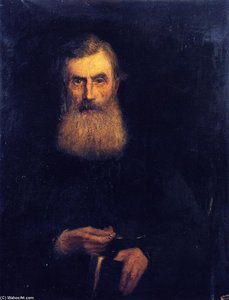
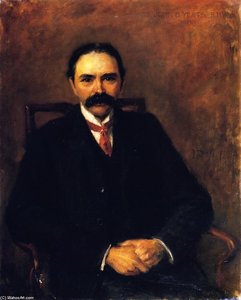
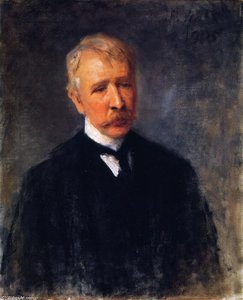
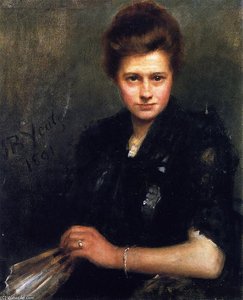
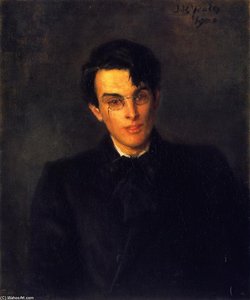
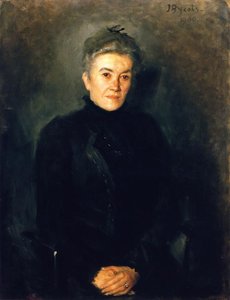
John Butler Yeats's style is characterized by his use of bold brushstrokes and vivid colors, which are evident in the Douglas Hyde painting. The subject's stern expression and dignified demeanor are perfectly captured, exuding an air of sophistication and intelligence. The background of the painting features a couch on the right side, adding depth and context to the overall composition. For art enthusiasts interested in exploring more of John Butler Yeats's works, William Butler Yeats and Violet Osborne are notable examples of his artistic prowess.Historical Significance and Cultural Context
Douglas Hyde was a key figure in Irish cultural revival, and John Butler Yeats's portrait of him serves as a testament to their shared passion for preserving Irish heritage. The painting is not only a remarkable work of art but also an important historical document, offering insights into the lives of these influential individuals. To learn more about other notable artists and their contributions to the world of art, visit Zichy Museum Zala, Hungary, which features an impressive collection of artworks by prominent Hungarian artist Mihály von Zichy.- View the painting Douglas Hyde by John Butler Yeats at the National Gallery of Ireland
- Explore more artworks by John Butler Yeats, including Douglas Hyde and other notable pieces
- Discover the rich cultural heritage of Ireland and its influential figures, such as Douglas Hyde and John Butler Yeats
For those interested in learning more about the artist and his works, Wikipedia offers a comprehensive overview of John Butler Yeats's life and career.
Related Artworks
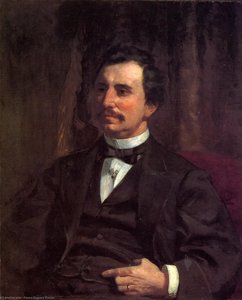
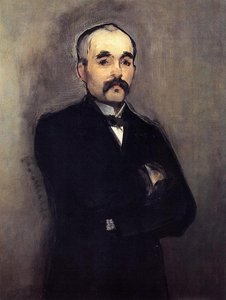
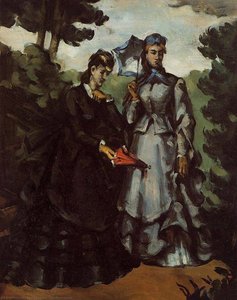
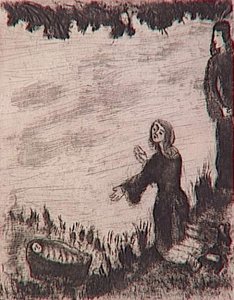
Artist Biography
A Life Bridging Law, Literature, and Light: The World of John Butler Yeats
John Butler Yeats, born in 1839 in the quiet Irish countryside of County Down, embarked on a path remarkably divergent from his initial training. Destined for the legal profession—and succeeding in qualifying as a barrister at Trinity College, Dublin—Yeats found himself inexorably drawn to the world of art. This wasn’t a sudden rebellion, but rather a slow unfolding, nurtured by an observant eye and a spirit that chafed against the rigid structures of his early life. His father, though a clergyman, possessed a sympathetic understanding of artistic inclination, providing subtle encouragement while his mother viewed such pursuits with skepticism. The landscapes of Sligo, experienced during formative visits to family friends, would become deeply embedded in Yeats’s visual vocabulary, a recurring motif throughout his career. This early exposure instilled within him a profound connection to the Irish land and its people—a connection that would define much of his artistic output. He initially supported himself through illustration, contributing to magazines while honing his skills, but it was portraiture that ultimately captured his imagination and became his primary focus.From Dublin Society to New York Circles: A Career in Transition
The trajectory of Yeats’s career wasn't one of immediate acclaim or financial security. He navigated a complex artistic landscape, moving between London and Ireland, seeking recognition and commissions. Elected a member of the Royal Hibernian Academy in 1892, he gained some standing within the Irish art establishment. However, it was through the patronage of Hugh Lane, an influential Dublin art dealer, that Yeats experienced a significant turning point. Commissioned to paint portraits of prominent figures in Irish life, he found himself both stimulated and constrained by the demands of such work. He completed only five of these commissioned portraits before a growing restlessness led him to New York City in 1907 at the age of sixty-eight. This move marked a new chapter, one characterized by intellectual camaraderie and artistic freedom. In New York, he found himself embraced by a circle of Irish American intellectuals and artists, including John Quinn, who provided both support and stimulating conversation. He became a fixture at Petitpas boarding house on West 29th Street, holding court with his wit and wisdom, attracting young artists eager to learn from his experience.A Family Legacy: Echoes of Genius
To speak of John Butler Yeats is inevitably to acknowledge the extraordinary artistic lineage he fathered. He was the patriarch of a family brimming with creative brilliance. His eldest son, William Butler Yeats, became one of the most celebrated poets in the English language, awarded the Nobel Prize for Literature in 1923. Another son, Jack Butler Yeats, emerged as Ireland’s foremost modernist painter, capturing the spirit of a nation undergoing profound change. Even his daughters, Susan Mary (Lily) and Elizabeth Corbet (Lollie), played pivotal roles in the Irish Arts and Crafts movement, establishing the Dun Emer Industries and Cuala Press, respectively. His father recognized Jack's talent early on, famously believing that he would ultimately be remembered as the father of a great poet—and then acknowledging that the true artistic genius lay with his son Jack. This familial constellation of talent created an atmosphere of intellectual ferment and mutual inspiration, shaping not only their individual artistic paths but also the cultural landscape of Ireland itself.Style and Significance: A Bridge Between Traditions
John Butler Yeats’s style evolved over time, reflecting a journey from academic realism to a more expressive and nuanced approach. His early portraits demonstrate a meticulous attention to detail and a mastery of technique, influenced by the Pre-Raphaelites and his training in London. However, he gradually moved towards a looser brushstroke and a greater emphasis on capturing the character and inner life of his sitters. He wasn’t afraid to experiment with color and texture, often employing an *impasto* technique that added depth and vibrancy to his canvases. His work stands as a bridge between traditional portraiture and the emerging modernist sensibilities of the early 20th century. While not overtly radical in his approach, he possessed a keen sensitivity to light and atmosphere, imbuing his paintings with a lyrical quality that resonated deeply with viewers. He was also an Olympic medalist, winning silver at the 1924 Paris Games for his painting *The Liffey Swim*, a testament to his artistic skill and recognition on an international stage. His legacy lies not only in his individual works but also in his influence on subsequent generations of Irish artists, paving the way for a more modern and expressive approach to art. He remains a pivotal figure, embodying a unique blend of intellectual curiosity, artistic talent, and familial brilliance.A Lasting Impression: Beyond the Canvas
John Butler Yeats died in Dublin in 1922, leaving behind a body of work that continues to captivate and inspire. His paintings offer a glimpse into a bygone era, capturing the essence of Irish society and the personalities who shaped it. He was a man of letters as well as an artist, engaging in lively intellectual debates and contributing essays on art and culture. He fostered a spirit of creativity within his family, encouraging each member to pursue their artistic passions. His influence extended beyond the realm of painting, shaping the literary landscape of Ireland through his son William Butler Yeats and fostering the arts and crafts movement through his daughters. Though he may not have achieved widespread fame during his lifetime, John Butler Yeats’s contribution to Irish art and culture is undeniable. He remains a significant figure in the history of Irish art, celebrated for his portraits, landscapes, and his enduring legacy as a father to some of Ireland's most brilliant minds.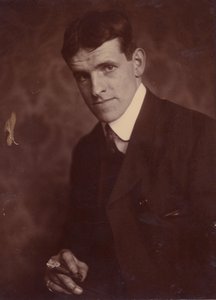
John Butler Yeats
1871 - 1957 , United Kingdom
Quick Facts
- Artistic Movement Or Style: Expressionism, Romanticism
- Artists Or Movements Influenced By This Artist: Jack B. Yeats
- Date Of Birth: 1871
- Date Of Death: 1957
- Full Name: John Butler Yeats
- Nationality: Irish
- Notable Artworks:
- Hester Dowden as a Child
- Violet Osborne
- George Moore
- The Liffey Swim
- Place Of Birth: London, UK