

 Preview
 Send
Send Share
Share
 Details

 Download
 Similars
 X-Ray
X-Ray Diaporama
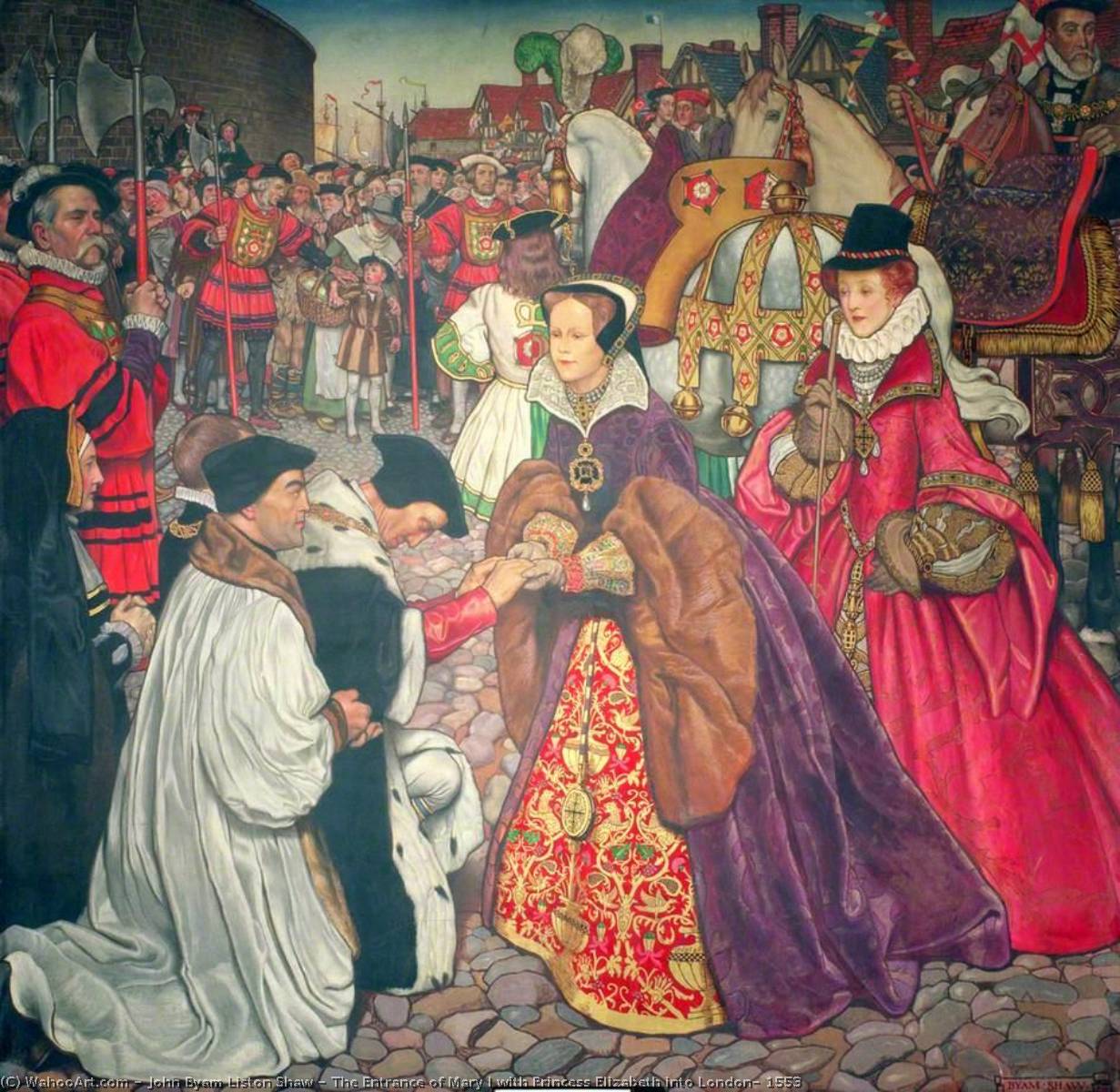
The Entrance of Mary I with Princess Elizabeth into London, 1553


 Read More
Purchase a high-resolution, enhanced digital image, far superior to the online preview.
Each file is meticulously prepared by our in-house specialists using advanced tools and expert manual retouching. We ensure every image has exceptional clarity, precise color accuracy, and fine detail.
The final file is delivered via email within 72 hours, optimized for immediate use in professional, editorial, and print environments. This is the same quality trusted by top-tier design studios, publishers, and galleries.
Digital Image
Download a high-resolution file for personal display, printing, and creative projects. ( Buy Print Buy Hand Made Painting)
Included in Every Digital Image Order
Expert Digital Delivery, Guaranteed
When you choose ArtsDot.com, you're not just getting an image - you're receiving a professionally enhanced digital artwork, crafted with precision and backed by a satisfaction guarantee. Here's everything that comes with your order, automatically:

Fast Email Delivery
Your high-resolution digital image file will be emailed to you within 72 hours of ordering - ready for immediate use.

AI-Enhanced Digital File
Your artwork is professionally optimized using advanced AI tools and manual editing, ensuring maximum detail, clarity, and color accuracy.

Free Lifetime Re-Delivery
Accidentally deleted or lost your file? No worries - we'll resend it to you anytime, free of charge.

No Import Fees - Ever
Enjoy your artwork instantly with zero customs, duties, or delivery fees - digital downloads are always tax-free.

Color Accuracy Guarantee
We ensure your digital image reflects the original colors as closely as possible using professional tools and color management.

60-Day Satisfaction Guarantee
If you're not satisfied with your digital image, we'll revise it or refund 100% within 60 days - no questions asked.

100% Money-Back Guarantee
Not satisfied? Get a full refund within 60 days of receiving your digital file - no questions asked.

Bulk Order Discounts
Buy 3 images, save 10% - Buy 5, save 15% - Buy 10+, save 20%. Great for creative projects, galleries, and agencies.
A Dramatic Tableau of Tudor Succession
The Entrance of Mary I with Princess Elizabeth into London, 1553 by John Byam Liston Shaw (1872–1919), is more than just a depiction of a royal procession; it’s a meticulously crafted visual narrative that encapsulates the anxieties and aspirations surrounding the tumultuous reign of Mary Tudor following the death of her sister Elizabeth I. Painted in 1910, this monumental canvas hails from the Parliamentary Art Collection, offering a glimpse into Britain's artistic sensibilities during the Edwardian era. Shaw’s masterful handling of Pre-Raphaelite principles—characterized by luminous color palettes and idealized forms—elevates the scene beyond mere historical record, transforming it into an emotionally resonant exploration of power dynamics and national identity.- Style & Technique: Shaw adheres rigorously to the tenets of Pre-Raphaelitism, prioritizing atmospheric perspective and symbolic representation over photographic realism. The artist employs glazing techniques—applying thin layers of translucent pigment—to achieve unparalleled luminosity and depth, capturing the grandeur of London’s streets and the solemnity of the royal arrival. Brushstrokes are deliberate yet fluid, conveying both precision and artistic sensitivity.
- Historical Context: Mary I ascended to the throne in 1553 following Elizabeth's demise, triggering a period of religious upheaval as she attempted to reinstate Catholicism after decades of Protestant rule. The painting commemorates this pivotal moment, portraying Mary’s triumphant return to London amidst fervent Catholic fervor—a deliberate assertion of royal authority and spiritual conviction.
Symbolism & Narrative Composition
Shaw's compositional choices are laden with symbolic significance. The procession itself is structured around a central axis, emphasizing the hierarchical order of power – Mary I at the apex, flanked by her entourage and culminating in Princess Elizabeth, representing the future of the Tudor dynasty. Notably, the kneeling figure symbolizes humility and submission before God, reflecting the pervasive piety of the time. Furthermore, the horses pulling the carriages are rendered with meticulous detail, symbolizing royal prestige and military might—a visual reminder of England’s strength under Mary I's rule. The inclusion of thirteen individuals contributes to the overall impression of grandeur and formality, reinforcing the narrative’s solemn tone.- Color Palette: Shaw utilizes a rich tapestry of hues—primarily reds, golds, and blues—to imbue the painting with warmth and majesty. Red dominates the royal banners and robes, signifying regal power and devotion to Catholicism; gold accents highlight ecclesiastical symbols and adorn Mary I’s attire, symbolizing divine grace.
- Lighting: Shaw masterfully employs chiaroscuro—the dramatic interplay of light and shadow—to sculpt the figures and heighten the emotional impact of the scene. Light emanates from above, illuminating Mary I and Elizabeth while casting deep shadows across the street, creating a sense of theatrical grandeur and emphasizing the solemnity of the occasion.
Emotional Resonance & Artistic Legacy
“The Entrance of Mary I” transcends mere historical documentation; it succeeds in conveying the palpable anxieties and fervent hopes that characterized this era. Shaw’s depiction captures not only the visual splendor of London but also the spiritual fervor surrounding Mary I's return—a testament to the artist’s ability to evoke profound emotional responses from viewers. The painting stands as a cornerstone of Pre-Raphaelite art, influencing subsequent generations of painters and cementing Shaw’s reputation as one of Britain’s foremost artistic figures. Its enduring appeal lies in its masterful technique, compelling narrative composition, and evocative symbolism—elements that continue to inspire admiration and contemplation today.Further Exploration
For those interested in delving deeper into this captivating artwork, the Parliamentary Art Collection offers invaluable resources: Explore “The Entrance of Mary I” and Discover Shaw’s Artistic Vision. Consider commissioning a high-quality reproduction to bring this iconic masterpiece into your home or workspace—a tangible connection to Britain's artistic heritage.Related Artworks
Artist Biography
Early Life and Artistic Promise
John Byam Liston Shaw, known simply as Byam Shaw throughout his career, entered the world in 1872 amidst the vibrant cultural landscape of Chennai, India. His father, John Shaw, served as the Registrar of the High Court at Madras, providing a stable yet distinctly colonial upbringing for the young artist. This early exposure to a different culture would subtly inform his later artistic sensibilities, though his formative years truly blossomed upon the family’s return to England in 1878. Settling in Kensington, London, Shaw quickly demonstrated an innate talent for art, a promise recognized and nurtured by his parents. A pivotal moment arrived at age fifteen when he was introduced to the esteemed Pre-Raphaelite painter John Everett Millais. This encounter proved transformative; Millais’s guidance steered Shaw towards St John's Wood Art School, laying the foundation for his rigorous artistic training. He continued his studies at the Royal Academy Schools, where in 1892, he achieved early recognition by winning the prestigious Armitage Prize for his compelling depiction of “The Judgement of Solomon.”A Pre-Raphaelite Echo and Literary Inspirations
Byam Shaw’s artistic style was deeply rooted in the aesthetic principles of the Pre-Raphaelites. He wasn't merely imitating their techniques, but rather carrying forward a tradition that emphasized meticulous detail, vibrant color palettes achieved through pure pigments, and a profound engagement with narrative storytelling. The influence of artists like J.W. Waterhouse and Cadogan Cowper is readily apparent in his work—a shared commitment to romanticism, historical accuracy, and an almost dreamlike quality. However, Shaw wasn’t simply replicating existing styles; he infused them with his own unique sensibility. He found particular inspiration in the poetry of Dante Gabriel Rossetti, translating evocative verses into visual masterpieces. His paintings frequently depict scenes drawn from history, literature, and even contemporary events like the Boer War, each imbued with elaborate symbolism and a palpable emotional resonance. Shaw’s ability to weave complex narratives within his compositions set him apart, inviting viewers to delve deeper than surface appearances.Navigating a Changing Art World & Wartime Contributions
The turn of the 20th century presented challenges for artists adhering to the Pre-Raphaelite tradition. As artistic tastes shifted towards more modern styles, maintaining fidelity to established techniques required dedication and conviction. Byam Shaw remained steadfast in his commitment, continuing to exhibit regularly at Dowdeswell and Dowdeswell's Gallery in New Bond Street, where he held five solo exhibitions between 1896 and 1916. These shows solidified his reputation as a leading figure within the Pre-Raphaelite circle. However, Shaw was not isolated from the world around him. The outbreak of World War I prompted a shift in his artistic focus. He contributed war cartoons to various newspapers, offering a visual commentary on the conflict and its impact. Following the war, he undertook memorial commissions, creating lasting tributes to those lost in battle—a poignant reflection of his patriotic spirit and desire to contribute to national healing.Legacy: Education and The Byam Shaw School
Beyond his accomplishments as a painter, Byam Shaw left an indelible mark on British art through education. Recognizing the need for innovative artistic training, he began teaching at the Women's Department of King’s College London in 1904. This experience fueled his vision for a new kind of art school—one that would foster creativity and technical skill in equal measure. In 1910, alongside Rex Vicat Cole, he founded the Byam Shaw and Vicat Cole School of Art. This institution, later simply known as the “Byam Shaw School of Art,” quickly gained prominence for its progressive curriculum and commitment to individual artistic development. His wife, Evelyn Shaw, also played a vital role in the school’s success, teaching miniatures and contributing her expertise to the educational program. Tragically, Byam Shaw's life was cut short by the influenza epidemic in 1919 at the age of just 46. He was interred at Kensal Green Cemetery, but his legacy lived on through the school he founded—a testament to his dedication to nurturing future generations of artists. An ornate monument still stands at St Barnabas', Addison Road, a lasting tribute to his life and work.Historical Significance: Preserving a Tradition
John Byam Liston Shaw occupies a unique position in British art history. He was not simply an imitator of the Pre-Raphaelites; he was a vital link in preserving their aesthetic principles during a period when they were waning in popularity. His meticulous technique, historical detail, and literary allusions resonated with audiences seeking beauty and meaning in a rapidly changing world. Furthermore, his commitment to art education through the Byam Shaw School had a profound impact on the development of British art. The school provided training for countless artists who went on to make significant contributions to the field, ensuring that Shaw’s influence extended far beyond his own paintings. He stands as a reminder of the enduring power of tradition and the importance of artistic mentorship—a legacy that continues to inspire today.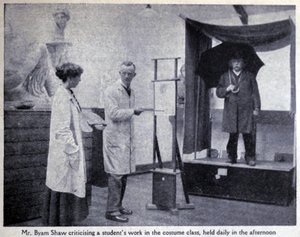
John Byam Liston Shaw
1872 - 1919 , India
Quick Facts
- Artistic Movement Or Style: Pre-Raphaelite
- Artists Or Movements Influenced By This Artist: ['British Art Education']
- Artists Who Influenced This Artist:
- J.W. Waterhouse
- Cadogan Cowper
- Date Of Birth: November 13, 1872
- Date Of Death: January 26, 1919
- Full Name: John Byam Liston Shaw
- Nationality: British
- Notable Artworks:
- The Judgement of Solomon
- The Boer War
- My Wife, My Bairns...
- Entrance of Mary I
- Place Of Birth: Chennai, India

