

 Preview
 Send
Send Share
Share
 Details

 Download
 Similars
 X-Ray
X-Ray Diaporama
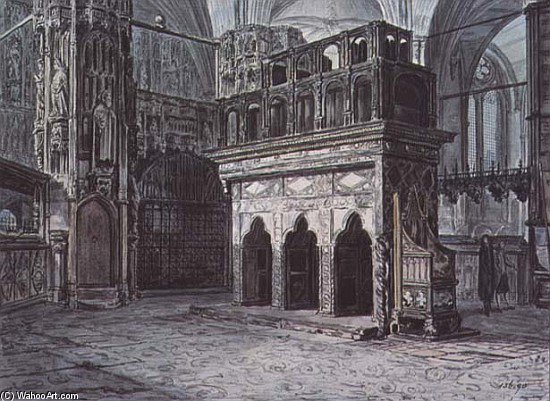
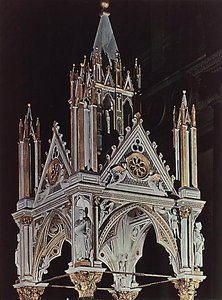
Edward The Confessor''s Chapel, Westminster Abbey
 Read More
Purchase a high-resolution, enhanced digital image, far superior to the online preview.
Each file is meticulously prepared by our in-house specialists using advanced tools and expert manual retouching. We ensure every image has exceptional clarity, precise color accuracy, and fine detail.
The final file is delivered via email within 72 hours, optimized for immediate use in professional, editorial, and print environments. This is the same quality trusted by top-tier design studios, publishers, and galleries.
Digital Image
Download a high-resolution file for personal display, printing, and creative projects. ( Buy Print Buy Hand Made Painting)
Included in Every Digital Image Order
Expert Digital Delivery, Guaranteed
When you choose ArtsDot.com, you're not just getting an image - you're receiving a professionally enhanced digital artwork, crafted with precision and backed by a satisfaction guarantee. Here's everything that comes with your order, automatically:

Fast Email Delivery
Your high-resolution digital image file will be emailed to you within 72 hours of ordering - ready for immediate use.

AI-Enhanced Digital File
Your artwork is professionally optimized using advanced AI tools and manual editing, ensuring maximum detail, clarity, and color accuracy.

Free Lifetime Re-Delivery
Accidentally deleted or lost your file? No worries - we'll resend it to you anytime, free of charge.

No Import Fees - Ever
Enjoy your artwork instantly with zero customs, duties, or delivery fees - digital downloads are always tax-free.

Color Accuracy Guarantee
We ensure your digital image reflects the original colors as closely as possible using professional tools and color management.

60-Day Satisfaction Guarantee
If you're not satisfied with your digital image, we'll revise it or refund 100% within 60 days - no questions asked.

100% Money-Back Guarantee
Not satisfied? Get a full refund within 60 days of receiving your digital file - no questions asked.

Bulk Order Discounts
Buy 3 images, save 10% - Buy 5, save 15% - Buy 10+, save 20%. Great for creative projects, galleries, and agencies.
Related Artworks






Artist Biography
A Life Reclaimed: The Remarkable Story of John Carter
Born in the quiet Essex town of Coggeshall in 1815, John Carter’s life was initially marked by the humble existence of a silk weaver. His early years offered little indication of the artistic path he would ultimately forge. Attending local schools – first the infants' school on Church Street, then the parish national school, and finally the endowed school founded by Sir Robert Hitcham – Carter displayed no particular aptitude for art, though he harbored a childhood fondness for sketching in his books and even upon the walls of his home. This nascent inclination remained largely undeveloped until fate intervened with devastating force. A youthful indiscretion, a climb for bird’s eggs after an evening spent drinking at the local public house, resulted in a fall from a height of forty feet in May 1836. The impact shattered his cervical vertebrae, leaving him paralyzed from the neck down, yet miraculously alive. This catastrophic accident didn't extinguish Carter’s spirit; instead, it ignited within him an extraordinary determination to reclaim agency over his life through art.From Silk Weaver to Master Draftsman
The initial prognosis was grim. Doctors considered his survival itself a medical marvel, documenting his case in publications like *The Lancet* years after his death as “the most remarkable…with which we are acquainted.” Confined to immobility, Carter’s world narrowed dramatically. He relied entirely on others for care and found solace in religion, having previously drifted from faith. It was approximately a year after the accident that he discovered inspiration in an unexpected source: the story of Elizabeth Kinning, an asylum inmate who had learned to paint using her mouth. Emulating her example, Carter began to teach himself to draw and paint, holding a pencil or fine brush firmly between his lips. He worked on slates and paper pinned to his pillow, painstakingly developing a skill that defied his physical limitations. His dedication was unwavering, resulting in work of astonishing precision and detail. He created a specially adapted desk to facilitate his artistic endeavors, relying on assistants to provide materials. Carter’s technique wasn't merely about overcoming disability; it was about achieving genuine artistic mastery.Recognition and Artistic Style
Carter’s talent quickly garnered attention. He became a celebrated figure, receiving visits from prominent members of the medical profession, clergy, and fellow artists like George Richmond. His drawings, often executed in a style reminiscent of fine line engraving, were admired for their meticulous detail and technical skill. He drew inspiration from the Old Masters – Albrecht Dürer, Raphael, Rembrandt, Van Dyck, and Landseer – creating copies that demonstrated an extraordinary power of imitation, as noted by Richmond. However, Carter wasn’t simply a copyist. He also produced original works, most notably “A Ratcatcher and His Dogs” (1849). This piece garnered widespread acclaim, including praise from the renowned animal painter Edwin Landseer, who declared it the finest example of animal drawing he had ever seen. Queen Victoria herself acquired a copy of this celebrated work. Other significant pieces included "Our Father Who Art in Heaven" and “Innocence,” based on a composition by Hermann Winterhalter. His style was characterized by an unwavering commitment to realism, combined with a delicate sensitivity to light and shadow.Legacy and Lasting Impact
John Carter’s life tragically ended prematurely in 1850, at the age of thirty-five, following an accident involving his carriage. His dying words reflected the deep religious faith that had sustained him through years of hardship. A memoir published by Reverend W.J. Dampier shortly after his death documented his remarkable story and listed eighty-seven of his drawings, detailing their owners. Carter’s legacy extends beyond his artistic achievements. He stands as a powerful symbol of resilience, determination, and the indomitable human spirit. His ability to overcome seemingly insurmountable obstacles and create art of exceptional quality continues to inspire awe and admiration. He demonstrated that creativity knows no bounds, and that even in the face of profound physical limitations, artistic expression can flourish. His story serves as a testament to the transformative power of art, not only for the artist but also for those who encounter his work. He remains an important figure in the history of art, celebrated not just for *what* he created, but for *how* he created it – a triumph of will over adversity that resonates deeply even today.
John Carter
1970 - , United States of America
Quick Facts
- Artistic Movement Or Style: Line drawing, Painting
- Artists Who Influenced This Artist:
- Albrecht Dürer
- Raphael
- Rembrandt
- Van Dyke
- Landseer
- Date Of Birth: July 31, 1815
- Date Of Death: June 4, 1850
- Full Name: John Carter
- Nationality: English
- Notable Artworks:
- A ratcatcher and his dogs
- Our father who art in heaven
- Innocence
- Place Of Birth: Coggeshall, England

