

 Preview
 Send
Send Share
Share
 Details

 Download
 Similars
 X-Ray
X-Ray Diaporama
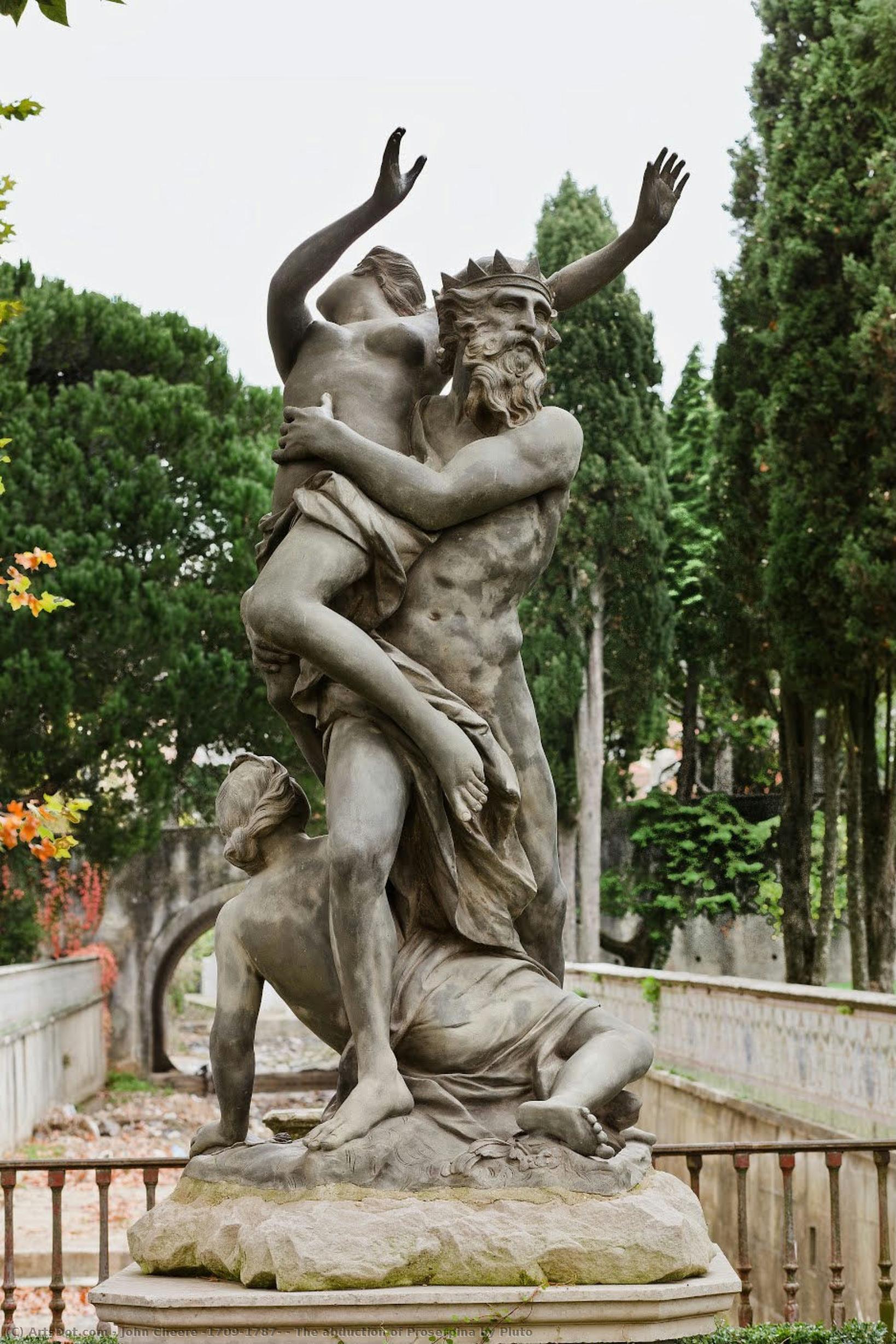
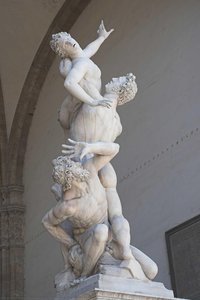
The abduction of Proserpina by Pluto
 Baroque
 107.0 x 227.0 cm
 National Palace of Queluz
 Read More
Purchase a high-resolution, enhanced digital image, far superior to the online preview.
Each file is meticulously prepared by our in-house specialists using advanced tools and expert manual retouching. We ensure every image has exceptional clarity, precise color accuracy, and fine detail.
The final file is delivered via email within 72 hours, optimized for immediate use in professional, editorial, and print environments. This is the same quality trusted by top-tier design studios, publishers, and galleries.
Digital Image
Download a high-resolution file for personal display, printing, and creative projects. ( Buy Print Buy Hand Made Painting)
Included in Every Digital Image Order
Expert Digital Delivery, Guaranteed
When you choose ArtsDot.com, you're not just getting an image - you're receiving a professionally enhanced digital artwork, crafted with precision and backed by a satisfaction guarantee. Here's everything that comes with your order, automatically:

Fast Email Delivery
Your high-resolution digital image file will be emailed to you within 72 hours of ordering - ready for immediate use.

AI-Enhanced Digital File
Your artwork is professionally optimized using advanced AI tools and manual editing, ensuring maximum detail, clarity, and color accuracy.

Free Lifetime Re-Delivery
Accidentally deleted or lost your file? No worries - we'll resend it to you anytime, free of charge.

No Import Fees - Ever
Enjoy your artwork instantly with zero customs, duties, or delivery fees - digital downloads are always tax-free.

Color Accuracy Guarantee
We ensure your digital image reflects the original colors as closely as possible using professional tools and color management.

60-Day Satisfaction Guarantee
If you're not satisfied with your digital image, we'll revise it or refund 100% within 60 days - no questions asked.

100% Money-Back Guarantee
Not satisfied? Get a full refund within 60 days of receiving your digital file - no questions asked.

Bulk Order Discounts
Buy 3 images, save 10% - Buy 5, save 15% - Buy 10+, save 20%. Great for creative projects, galleries, and agencies.
Collectible Description
Related Artworks
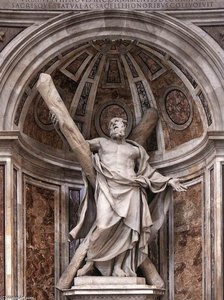
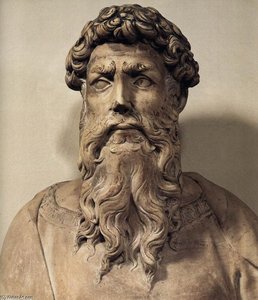
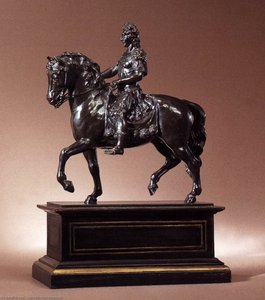
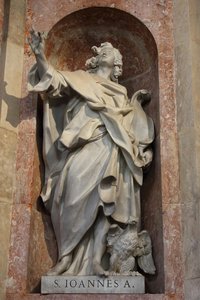


Artist Biography
John Cheere: The Sculptor of Stately Gardens
John Cheere, a name perhaps less familiar than his contemporaries Sir Henry or Canaletto, nevertheless holds a significant place in the history of 18th-century British sculpture. Born in London in 1709, he emerged from an unlikely background – initially apprenticed as a haberdasher – to become one of the most prolific and influential creators of lead statues adorning the gardens of England’s grandest estates. His legacy isn't found in monumental public works, but rather in the charming, often whimsical figures that still grace the landscapes of stately homes today, offering a poignant glimpse into the tastes and aspirations of the aristocracy. Cheere’s story is one of adaptation, innovation, and a remarkable ability to capture the spirit of his era within the relatively inexpensive medium of lead.Early Life and Apprenticeship
Cheere's early life remains somewhat shrouded in mystery, though we know he was born into a family with Huguenot roots – his father, John Cheere, was a merchant who had fled France during the religious wars. He began his working life as an apprentice to a haberdasher from 1725 to 1732, a far cry from the world of sculpture he would eventually inhabit. This initial training likely provided him with valuable skills in craftsmanship and attention to detail – qualities that undoubtedly informed his later work. Crucially, around 1722, Cheere joined his elder brother, Henry Cheere, already established as a successful sculptor working primarily on funerary monuments and chimney pieces. Henry’s workshop offered John an invaluable apprenticeship, exposing him to the techniques of carving stone and creating intricate designs. This early association with his brother would prove pivotal in shaping his own artistic trajectory.The Rise of a Lead Sculptor
Cheere's career truly took off when he acquired the abandoned workshop of John Nost, a deceased sculptor, in 1739. Recognizing the potential of this location – situated near a burgeoning center for lead casting – Cheere transformed it into his own manufacturing hub. He shrewdly invested in numerous lead moulds, allowing him to rapidly produce a vast array of statues, busts, and decorative elements. This marked a deliberate shift away from the more traditional materials favored by Henry Cheere, embracing the affordability and versatility of lead. The demand for these garden sculptures was fueled by several factors: the rise of landscaped gardens during the 18th century, the popularity of summer houses as retreats for the wealthy, and the influence of classical Roman and Greek art – readily accessible through engravings and travel accounts.A Style Defined by Pastoral Themes and Classical Echoes
Cheere’s sculptures are instantly recognizable by their charming, almost naive quality. While he certainly drew inspiration from classical models—replicating figures from Roman mythology like the abduction of Proserpina by Pluto (a particularly striking example showcased on ArtsDot.com) – his work also embraced simpler, pastoral themes: shepherds tending flocks, nymphs frolicking in streams, and scenes of rustic life. These depictions resonated with the aristocratic clientele who sought to create idyllic settings within their gardens, evoking a sense of harmony between nature and human civilization. The style is often described as Rococo, characterized by its elegance, asymmetry, and playful ornamentation. It’s important to note that while some sculptures are undoubtedly Cheere's own creations, others—particularly those depicting figures like William III – may have been designed by his brother Henry, highlighting the collaborative nature of their artistic endeavors.Legacy and Enduring Influence
John Cheere died in 1787, leaving behind a substantial body of work scattered across numerous stately homes throughout the United Kingdom. His statues continue to be admired for their craftsmanship, their evocative depictions of classical and pastoral themes, and their ability to transport viewers back to the opulent gardens of the 18th century. Despite facing periods of neglect and even destruction (many were melted down as lead was a valuable commodity), Cheere’s sculptures have been rediscovered and restored, ensuring that his contribution to British art endures. Today, they stand as silent witnesses to a bygone era, offering a tangible connection to the tastes and aspirations of England's aristocracy. You can explore more examples of his work and learn about his life and legacy at https://ArtsDot.com, a valuable resource for anyone interested in this fascinating artist. His sculptures are a testament to his skill as a sculptor and his contribution to the world of art.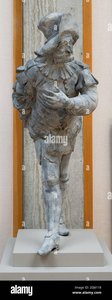
john cheere (1709-1787)
1709 - 1787 , United Kingdom
Quick Facts
- Artistic Movement Or Style: Lead statues, 18th-century
- Artists Or Movements Influenced By This Artist: ['Sir Henry Cheere']
- Artists Who Influenced This Artist:
- Bernini
- Giambologna
- Date Of Birth: 1709
- Date Of Death: 1787
- Full Name: John Cheere
- Nationality: English
- Notable Artworks:
- The Abduction of Proserpina
- Classical Roman sculptures
- Pastoral themes
- Place Of Birth: London, UK

