 Preview
 Send
Send Share
Share
 Details

 Download
 Similars
 X-Ray
X-Ray Diaporama
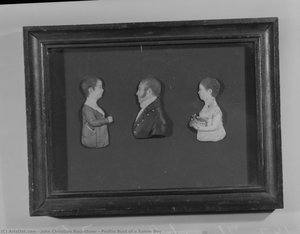
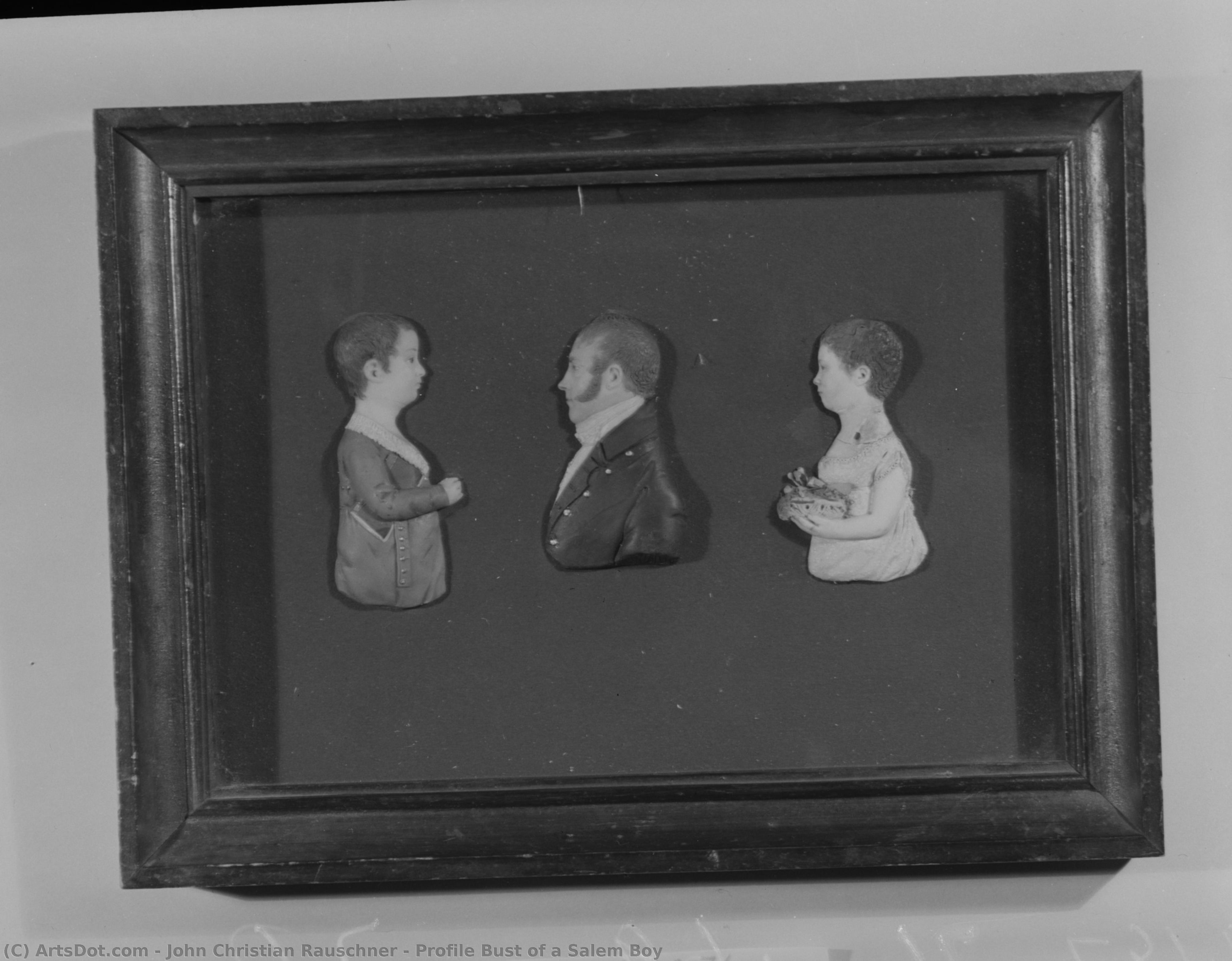
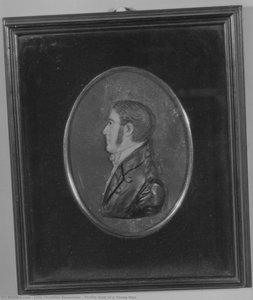
Profile Bust of a Salem Boy
 1812
1812 10.0 x 4.0 cm
 Read More
Giclée / Art Print
Museum-quality giclée or canvas print with fast production and flexible finish options. ( Buy Hand Made Painting Buy Image)




































Pick from our preset sizes that match the artwork's original proportions.

You may enter your own dimensions to fit a specific frame or space. If your selected size does not match the original image's proportions, we will either crop the artwork or extend the image with a mirrored or solid-fill edge. A digital mockup will be sent for your approval before production begins.
Please note that the on-screen preview does not reflect the actual cropping or extension. Only the mockup will accurately show the final composition.
While custom sizes are available, we recommend selecting a dimension from the predefined list to preserve the original proportions.
Worldwide Delivery () in 2 weeks instead of standard 4/5 weeks. (21 August)

Free Worldwide Express Shipping

High-Quality Linen Canvas

Full Shipping Insurance

Customs Tax Refund Guarantee

True Color Matching Guarantee

60-Day Return Policy (Defects Only)

100% Money-Back Guarantee

Bulk Discount Offer
 Glass option is only available in size under 110 CM

Profile Bust of a Salem Boy
Giclée / Art Print
Reproduction Size
-


Total Price
$ 63
Related Artworks







Artist Biography
A Transient Likeness: The Life and Art of John Christian Rauschner
Born in Frankfurt, Germany around 1760, John Christian Rauschner emerged as a fascinating figure in the landscape of early American portraiture. He wasn’t a painter capturing fleeting moments on canvas, but a sculptor working with the delicate medium of wax – an art form that offered an uncanny immediacy and intimacy. While his origins lie steeped in the traditions of European *Modelleurs* and *Stuccateurs*, Rauschner's artistic journey took him across the Atlantic to a burgeoning nation eager to document its prominent citizens, and he became a peripatetic artist traveling extensively throughout the eastern seaboard. His name appears in historical records under various spellings – Rauchner, Rauschner, C. Rauschner – hinting at the transient nature of his practice and perhaps even a deliberate attempt to remain somewhat elusive.From European Workshops to American Parlors
Details regarding Rauschner’s early life and training remain scarce, but it is known that he followed in the footsteps of his father, Christian Benjamin Rauschner, a skilled artisan in Frankfurt. By 1799, Rauschner had established himself in New York City as a “wax artist,” a profession that quickly gained traction among those seeking affordable and remarkably lifelike representations of themselves and their loved ones. Unlike oil painting, which required significant time and expense, wax portraiture offered a quicker turnaround and a more accessible price point. This allowed Rauschner to cultivate a broad clientele, moving beyond the elite circles typically served by traditional portraitists. He wasn’t confined to a studio; instead, he embarked on journeys – Boston, Philadelphia, Hartford, Plymouth – offering his services directly to families in their homes. This itinerant lifestyle was characteristic of many artists of the period, but Rauschner's chosen medium added a unique dimension to his travels. Each portrait became a temporary fixture in a household before finding its way into another collection, contributing to the dispersal of his work across numerous institutions and private holdings today.The Art of Wax: Technique and Aesthetic
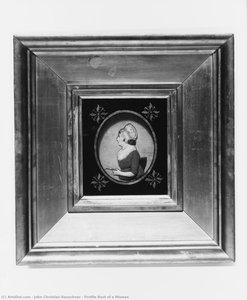
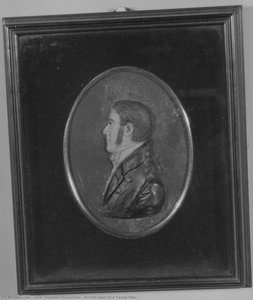
Rauschner’s skill lay not merely in replicating physical features but in imbuing his wax portraits with a sense of personality and vitality. The process itself was demanding, requiring meticulous attention to detail and a mastery of color blending. He employed colored wax, carefully layering tones to achieve subtle gradations of skin tone and capturing the nuances of expression. His works weren’t simply busts; they were miniature scenes, often incorporating elements of fashion and domestic life that spoke volumes about the sitter's status and character. The inclusion of details like pearls in a woman’s hair or a pet rabbit held by a child demonstrates his keen eye for symbolism and narrative detail. He frequently worked from life, capturing the essence of his subjects with remarkable precision. His portraits are not grand statements but intimate glimpses into the lives of ordinary people – merchants, governors, families – offering a valuable window into the social fabric of early America.A Legacy in Miniature: Collections and Historical Significance
The enduring appeal of Rauschner’s work lies in its ability to connect us with the past on a deeply personal level. His portraits are held in prestigious institutions across the United States, including The Metropolitan Museum of Art, the White House collection, the Bostonian Society, and numerous historical societies and museums. These collections represent not only artistic merit but also a significant record of early American life. While he may not have achieved the widespread fame of his painted contemporaries, Rauschner’s contribution to portraiture is undeniable. He democratized the art of likeness, making it accessible to a wider audience and leaving behind a legacy of miniature masterpieces that continue to captivate and intrigue. His work provides invaluable insights into the fashions, social customs, and individual personalities of a nation in formation. The fact that his son, Henry Rauschner, also practiced wax portraiture suggests a continuation of this unique artistic tradition within the family, further solidifying their place in American art history.Further Exploration
- Albany Institute of History & Art: Houses examples of Rauschner’s work.
- American Antiquarian Society: Contains wax portraits created by the artist.
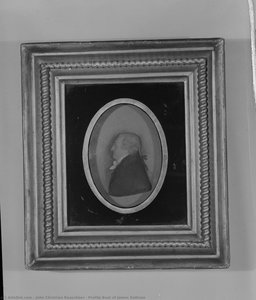
- Metropolitan Museum of Art: Features several notable Rauschner portraits, including “Father, Mother, and Child in a Park” and “Profile Bust of James Sullivan.”
- The Spectator (NY), 1803: Offers an anecdote about Rauschner and his waxworks.
- Ethel Stanwood Bolton’s *American Wax Portraits* (1929): A key resource for understanding the history of wax portraiture in America.
john christian rauschner
1760 - , Germany
Quick Facts
- Artistic Movement Or Style: Wax portrait miniatures
- Date Of Birth: 1760
- Full Name: John Christian Rauschner
- Nationality: German
- Notable Artworks:
- Father, Mother, and Child in a Park
- Profile Bust of James Sullivan
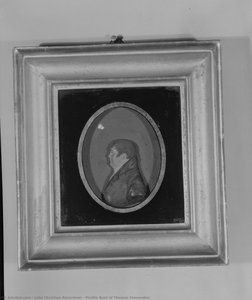
- Profile Bust of Thomas Fessenden
- Place Of Birth: Frankfurt, Germany