

 Preview
 Send
Send Share
Share
 Details

 Download
 Similars
 X-Ray
X-Ray Diaporama
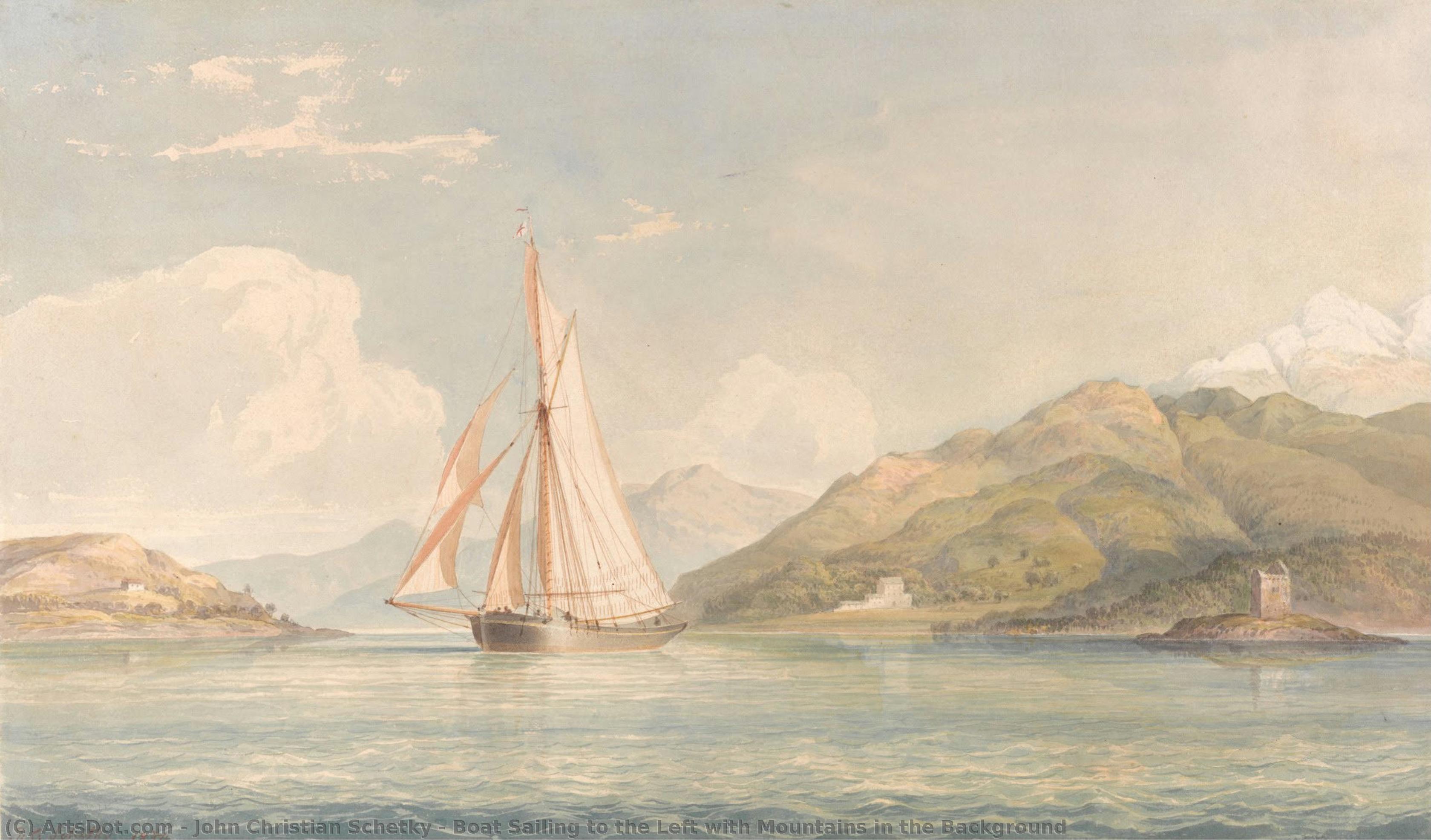
Boat Sailing to the Left with Mountains in the Background
 Watercolor
- WallArt
- Romanticism
 1834
1834- 19th Century
 25.0 x 43.0 cm
 Yale Center for British Art
 Read More
Purchase a high-resolution, enhanced digital image, far superior to the online preview.
Each file is meticulously prepared by our in-house specialists using advanced tools and expert manual retouching. We ensure every image has exceptional clarity, precise color accuracy, and fine detail.
The final file is delivered via email within 72 hours, optimized for immediate use in professional, editorial, and print environments. This is the same quality trusted by top-tier design studios, publishers, and galleries.
Digital Image
Download a high-resolution file for personal display, printing, and creative projects. ( Buy Print Buy Hand Made Painting)
Included in Every Digital Image Order
Expert Digital Delivery, Guaranteed
When you choose ArtsDot.com, you're not just getting an image - you're receiving a professionally enhanced digital artwork, crafted with precision and backed by a satisfaction guarantee. Here's everything that comes with your order, automatically:

Fast Email Delivery
Your high-resolution digital image file will be emailed to you within 72 hours of ordering - ready for immediate use.

AI-Enhanced Digital File
Your artwork is professionally optimized using advanced AI tools and manual editing, ensuring maximum detail, clarity, and color accuracy.

Free Lifetime Re-Delivery
Accidentally deleted or lost your file? No worries - we'll resend it to you anytime, free of charge.

No Import Fees - Ever
Enjoy your artwork instantly with zero customs, duties, or delivery fees - digital downloads are always tax-free.

Color Accuracy Guarantee
We ensure your digital image reflects the original colors as closely as possible using professional tools and color management.

60-Day Satisfaction Guarantee
If you're not satisfied with your digital image, we'll revise it or refund 100% within 60 days - no questions asked.

100% Money-Back Guarantee
Not satisfied? Get a full refund within 60 days of receiving your digital file - no questions asked.

Bulk Order Discounts
Buy 3 images, save 10% - Buy 5, save 15% - Buy 10+, save 20%. Great for creative projects, galleries, and agencies.
Collectible Description
A Serene Voyage Through Time
In the delicate interplay of light and water captured within Boat Sailing to the Left with Mountains in the Background, we find ourselves transported to the year 1834, a period where the Romantic movement sought to find the sublime in the natural world. This exquisite watercolor by the Scottish master John Christian Schetky serves as more than just a maritime study; it is a window into a moment of profound tranquility. The composition centers on a graceful sailboat navigating the gentle swells of the ocean, its trajectory guided by the unseen currents of the sea and the silent majesty of the distant mountains. As the vessel moves toward the shore, there is an inherent sense of homecoming and peace, inviting the viewer to pause and breathe in the salt-tinged air of a bygone era.
The technique employed here showcases Schetky’s profound command over the watercolor medium. Unlike the heavy, dramatic oils often associated with naval battle scenes, this piece utilizes the transparency and fluidity of watercolor to mimic the very essence of water itself. The artist masterfully layers washes of color to create depth, allowing the light to appear as though it is filtering through the surface of the waves. The mountains in the background are rendered with a soft, atmospheric haze, employing the concept of aerial perspective to push the horizon further away, thereby granting the scene an expansive, infinite quality. Every brushstroke contributes to a sense of movement—the subtle ripple of the tide and the gentle tilt of the mast—creating a living, breathing landscape.
For the discerning collector or interior designer, this artwork offers a sophisticated emotional anchor for any space. The symbolism of the sailing boat—a classic metaphor for the journey of life and the navigation of destiny—resonates deeply with those who appreciate themes of exploration and resilience. The presence of small figures upon the deck adds a human element, transforming a landscape into a narrative of shared experience and leisure. Whether placed in a sun-drenched study or a refined coastal living room, a high-quality reproduction of this piece brings an air of historical elegance and contemplative calm. It is an investment in atmosphere, providing a focal point that inspires wanderlust and a deep appreciation for the enduring beauty of the natural world.
Related Artworks

Artist Biography
The Soul of the Sea: The Life and Legacy of John Christian Schetky
In the annals of British maritime art, few names evoke the salt-sprayed drama and atmospheric grandeur of the Romantic era quite like John Christian Schetky. Born in Edinburgh in 1778, Schetky was a man whose very lineage and life experiences were inextricably linked to the movement of tides and the spirit of exploration. Descended from an old Hungarian-Transylvanian family that had settled in Leipzig before migrating to Scotland, he carried within him a rich, multicultural heritage. His father, Johann Georg Christoff Schetky, was a celebrated composer and cellist, providing a domestic atmosphere steeped in the arts. This early immersion in musical rhythm and melodic structure perhaps laid the groundwork for the rhythmic, pulsing energy found in his later canvases, where the ebb and flow of the ocean is rendered with a nearly symphonic intensity.
Schetky’s path to artistic mastery was not merely paved with studio practice but forged through direct encounter with the elements. Before he became a celebrated chronicler of naval history, he served as a lieutenant in the Royal Navy. This period of active service was transformative; the vast, unpredictable expanses of the Atlantic Ocean were not merely subjects for his imagination, but lived realities. He witnessed firsthand the terrifying majesty of storms and the harrowing tension of maritime conflict. These experiences granted him an unparalleled technical advantage over his contemporaries. When he approached a canvas to depict a naval engagement, he did so with the eye of a mariner who understood the precise way a hull sits in a swell and how light refractifies through a breaking wave.
Mastery of Light and Motion
The artistic development of Schetky is a fascinating study in the transition from classical precision to Romantic expressionism. Trained at the Royal Scottish Academy, he initially absorbed the meticulous observational skills required by the classical tradition. However, as the Romantic movement began to sweep through Europe, seeking the sublime—that overwhelming sense of awe and terror found in nature—Schetky’s style evolved to meet this new emotional frontier. He became a master of using oil paint impasto to create tactile textures, allowing the viewer to feel the spray of the sea and the heavy, smoke-filled air of battle.
His works often exist in a captivating duality between the violent and the serene. On one hand, he captured the visceral chaos of historical milestones, such as:
- The Battle of Trafalgar: A dynamic rendering of naval carnage that utilizes loose brushwork and dramatic lighting to convey the sheer scale of the conflict.
- The Battle of Copenhagen: An exploration of patriotic fervor and the complex maneuvers of warships amidst the smoke of cannon fire.
- The Moment of Victory between HMS 'Shannon' and his adversaries: A piece that captures the precise, breathless instant of triumph through detailed realism.
Conversely, Schetky possessed a profound ability to capture tranquility. In his watercolor works, such as Boat Sailing to the Left with Mountains in the Background, he moved away from the heavy textures of his battle scenes toward a delicate, transparent fluidity. Here, he employed aerial perspective and soft, atmospheric washes to create a sense of infinite space, proving that his command over the medium was as much about capturing silence and peace as it was about depicting war.
A Lasting Maritime Legacy
The historical significance of John Christian Schetky lies in his ability to bridge the gap between documentary realism and emotional storytelling. He did not merely paint ships; he painted the psychological weight of the sea. His canvases serve as vital historical records of 18th and 19th-century naval life, yet they transcend mere illustration through their profound connection to the Romantic ideal. By blending the technical accuracy of a naval officer with the expressive soul of an artist, he ensured that the triumphs and tragedies of the maritime age would be preserved not just in history books, but in the very movement of light and shadow on canvas.
Today, Schetky remains a cornerstone of Scottish marine art. His ability to evoke the sublime—the intersection of beauty and danger—continues to resonate with collectors and historians alike. He stands as a pioneer who taught us that the sea is not just a setting for human endeavor, but a powerful, living protagonist in the grand drama of existence.
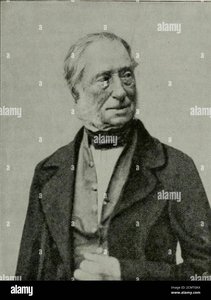
John Christian Schetky
1778 - 1874 , United Kingdom
Quick Facts
- Artistic Movement Or Style: Romanticism
- Artists Who Influenced This Artist:
- William Blake
- George Romney
- Date Of Birth: August 11, 1778
- Date Of Death: January 29, 1874
- Full Name: John Christian Schetky
- Nationality: Scottish
- Notable Artworks:
- Mars and the French '74
- HMS Amelia chasing the French frigate Aréthuse
- Loss of the Royal George
- HMS Crescent, capturing the French frigate Réunion off Cherbourg
- Place Of Birth: Edinburgh, United Kingdom

