

 Preview
 Send
Send Share
Share
 Details

 Download
 Similars
 X-Ray
X-Ray Diaporama
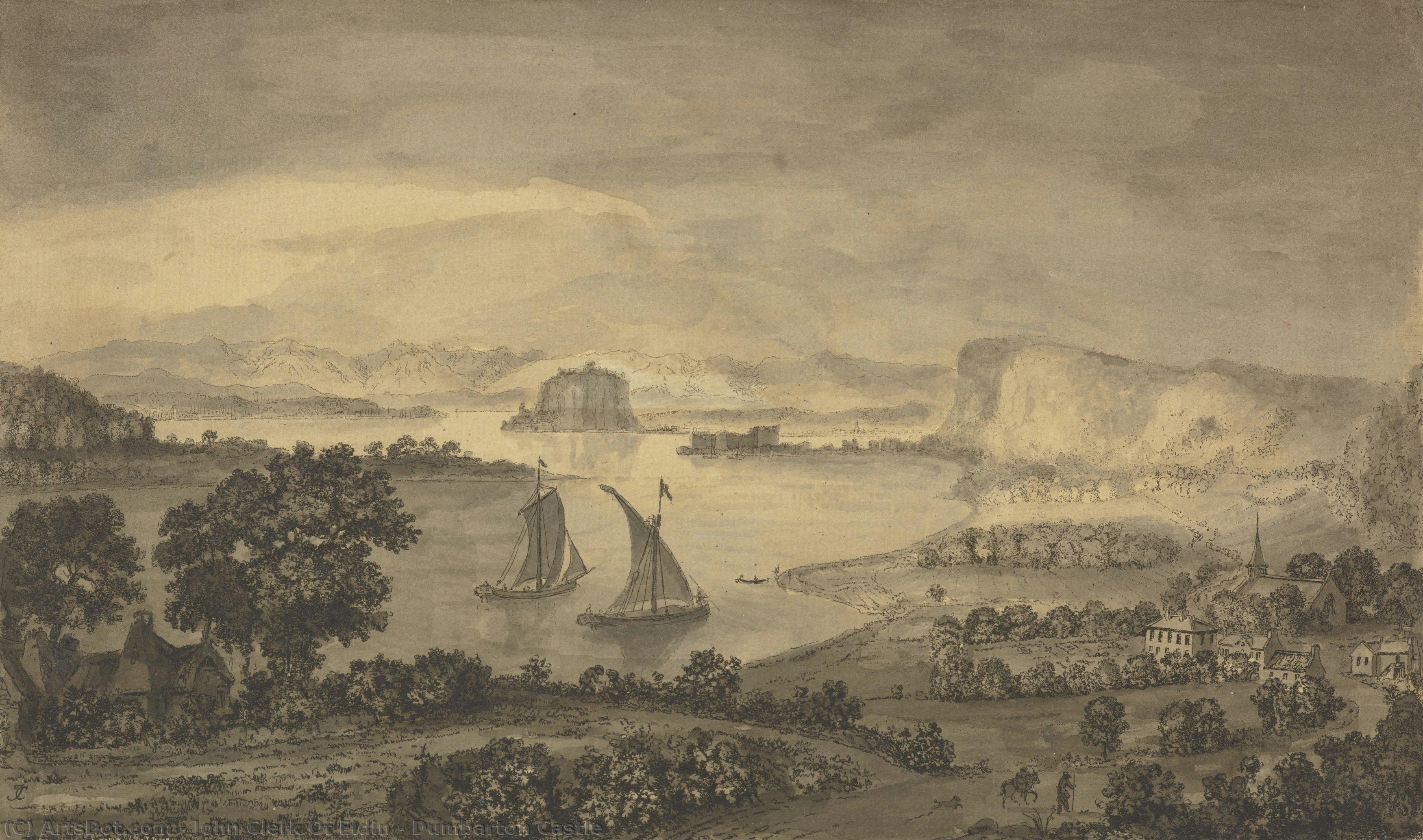
Dumbarton Castle


 Read More
Purchase a high-resolution, enhanced digital image, far superior to the online preview.
Each file is meticulously prepared by our in-house specialists using advanced tools and expert manual retouching. We ensure every image has exceptional clarity, precise color accuracy, and fine detail.
The final file is delivered via email within 72 hours, optimized for immediate use in professional, editorial, and print environments. This is the same quality trusted by top-tier design studios, publishers, and galleries.
Digital Image
Download a high-resolution file for personal display, printing, and creative projects. ( Buy Print Buy Hand Made Painting)
Included in Every Digital Image Order
Expert Digital Delivery, Guaranteed
When you choose ArtsDot.com, you're not just getting an image - you're receiving a professionally enhanced digital artwork, crafted with precision and backed by a satisfaction guarantee. Here's everything that comes with your order, automatically:

Fast Email Delivery
Your high-resolution digital image file will be emailed to you within 72 hours of ordering - ready for immediate use.

AI-Enhanced Digital File
Your artwork is professionally optimized using advanced AI tools and manual editing, ensuring maximum detail, clarity, and color accuracy.

Free Lifetime Re-Delivery
Accidentally deleted or lost your file? No worries - we'll resend it to you anytime, free of charge.

No Import Fees - Ever
Enjoy your artwork instantly with zero customs, duties, or delivery fees - digital downloads are always tax-free.

Color Accuracy Guarantee
We ensure your digital image reflects the original colors as closely as possible using professional tools and color management.

60-Day Satisfaction Guarantee
If you're not satisfied with your digital image, we'll revise it or refund 100% within 60 days - no questions asked.

100% Money-Back Guarantee
Not satisfied? Get a full refund within 60 days of receiving your digital file - no questions asked.

Bulk Order Discounts
Buy 3 images, save 10% - Buy 5, save 15% - Buy 10+, save 20%. Great for creative projects, galleries, and agencies.
Related Artworks
Artist Biography
Anton Raphael Mengs: The Architect of Neoclassicism
Anton Raphael Mengs, a name often whispered in the halls of art history, stands as a pivotal figure in the transition from the opulent Baroque to the refined ideals of Neoclassicism. Born in 1728 in Ústí nad Labem, Bohemia – now part of the Czech Republic – his life was marked by both privilege and circumstance, ultimately shaping him into one of Europe’s foremost artists of his time. His story is not merely that of a painter; it's a tale interwoven with family secrets, artistic mentorships, and a profound engagement with the rediscovered glories of ancient Rome. Mengs didn’t simply paint; he actively sought to revive classical principles, establishing a theoretical framework for his art and profoundly influencing generations of artists who followed.Early Life and Artistic Foundations
Mengs's origins were far from conventional. His birth was the result of an illicit affair between his father, Ismael Mengs – a Danish-born painter serving the court of Saxony – and Charlotte Bormann, the family housekeeper. To conceal this illegitimate lineage, Ismael relocated his family to Rome in 1741, where he diligently copied miniature versions of Raphael’s frescoes for the Elector of Saxony, intended as decorative elements for Dresden. This early exposure to Raphael's work proved transformative, instilling in young Anton a deep reverence for the master and a desire to emulate his compositional clarity and harmonious balance. His older sister, Therese Concordia Maron, also pursued a career in art, further enriching their family’s artistic environment. The move to Rome provided Mengs with access to the vibrant artistic community of the city, allowing him to study under renowned artists and immerse himself in the classical ideals that would later define his style.Rome and the Rise of Neoclassicism
Upon arriving in Rome, Mengs quickly established himself as a promising young artist. He honed his skills through diligent observation of ancient sculpture, meticulously studying its forms, proportions, and expressive qualities. This dedication to classical antiquity became the cornerstone of his artistic philosophy. He married Margarita Guazzi, a model who also possessed an appreciation for art, and together they formed a creative partnership that fueled his artistic development. Mengs’s early works, particularly portraits, showcased a burgeoning talent for capturing likeness with remarkable accuracy and a subtle elegance. However, it was his ambitious fresco *Parnassus*, completed in 1761 for the Villa Albani, that truly cemented his reputation as a leading figure in the nascent Neoclassical movement. This monumental work, depicting Apollo and the Muses amidst the ruins of Parnassus, demonstrated Mengs’s mastery of composition, color, and illusionistic technique – all firmly rooted in classical principles. The fresco generated considerable excitement within artistic circles, establishing Neoclassicism as a viable alternative to the prevailing Rococo style.Influence and Legacy
Mengs's influence extended far beyond his own paintings. He was a passionate advocate for classical learning and art theory, actively promoting the study of ancient sculpture and architecture. His writings, particularly *Istitutioni poetiche* (1763), were instrumental in shaping the theoretical foundations of Neoclassicism, arguing for a return to the ideals of Greek and Roman art as models for contemporary artistic practice. He corresponded extensively with other prominent intellectuals of his time, most notably Johann Joachim Winckelmann, whose theories on ancient Greek art profoundly influenced Mengs’s own aesthetic sensibilities. Winckelmann, in turn, championed Mengs's work, helping to elevate his status and solidify his position as a leading voice in the Neoclassical movement.Beyond Rome: Madrid and Vatican
Mengs’s career extended beyond Rome, including commissions in Spain and Italy. He served as painter to the Spanish court in Madrid from 1761 to 1769, executing numerous portraits of royal family members. Later, he was appointed to decorate the Camera dei Papiri in the Vatican from 1769 to 1772, a challenging project that demanded both technical skill and artistic sensitivity. His return to Spain between 1773 and 1777 saw him contribute to the decoration of several royal palaces, further solidifying his reputation as a versatile and accomplished artist. Throughout his career, Mengs consistently sought to emulate the clarity, order, and intellectual rigor of classical art, leaving an indelible mark on the development of Neoclassicism and shaping the course of Western art history. His legacy endures not only in his paintings but also in his theoretical writings and his profound influence on subsequent generations of artists.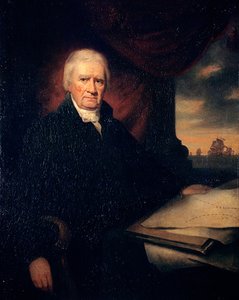
john clerk of eldin
1728 - 1812 , United Kingdom
Quick Facts
- Artistic Movement Or Style: Neoclassical
- Artists Or Movements Influenced By This Artist:
- Winckelmann
- Neoclassicism
- Artists Who Influenced This Artist:
- Raphael
- Correggio
- Titian
- Date Of Birth: March 22, 1728
- Date Of Death: June 29, 1779
- Full Name: Anton Raphael Mengs
- Nationality: German (Saxon)
- Notable Artworks:
- Parnassus
- The School of Athens
- Place Of Birth: Ústí nad Labem, Bohemia

