 Preview
 Send
Send Share
Share
 Details

 Download
 Similars
 X-Ray
X-Ray Diaporama
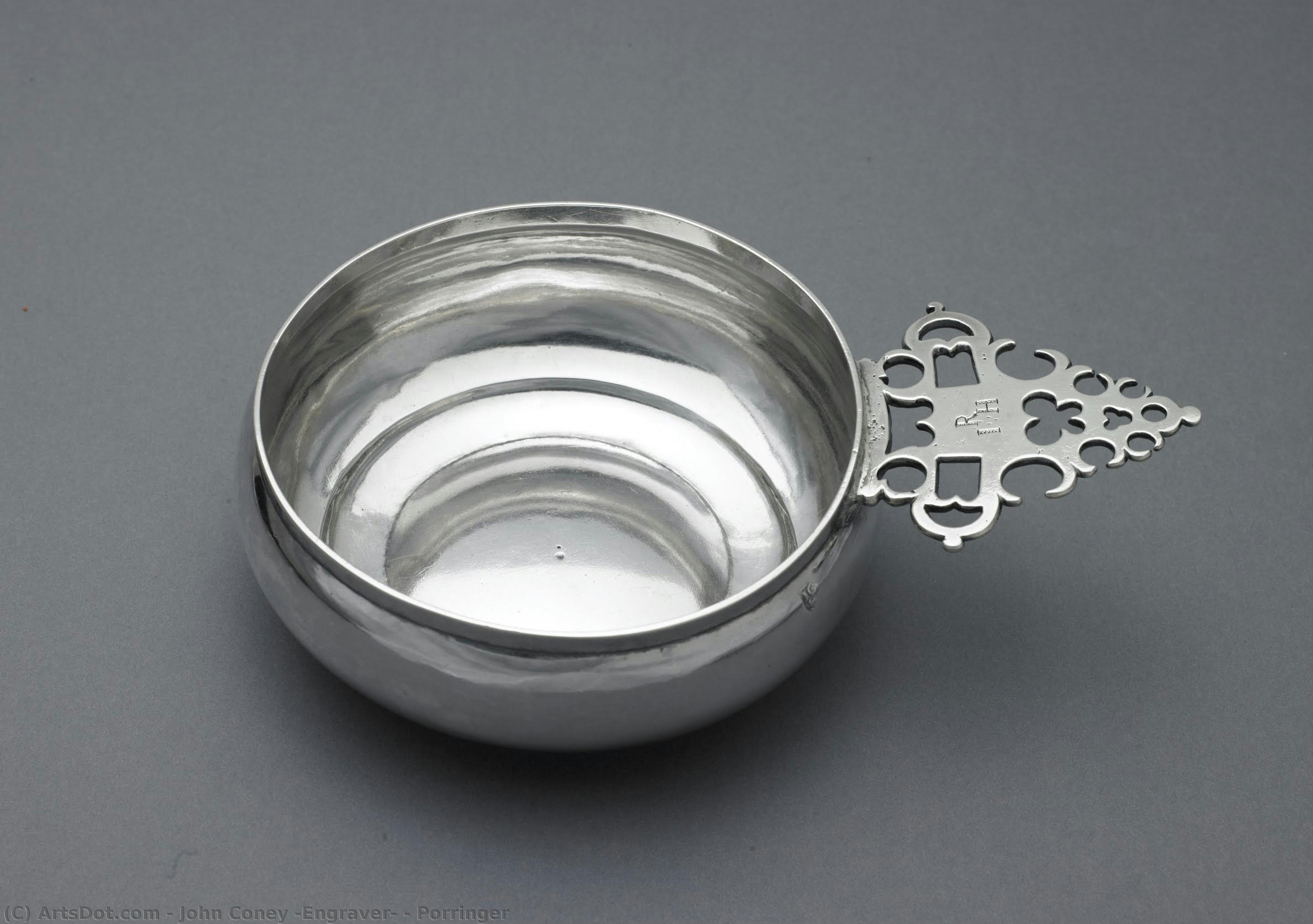
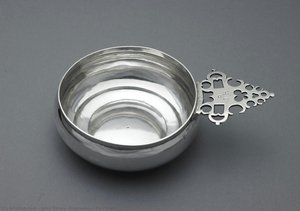
Porringer

 Read More
Hand Made Oil Reproduction
Hand-painted oil on canvas in your size and frame, made to order by our artists. ( Buy Print Buy Image)




































Pick from our preset sizes that match the artwork's original proportions.

You may enter your own dimensions to fit a specific frame or space. If your selected size does not match the original image's proportions, we will either crop the artwork or extend the painting with additional hand-painted elements. A digital mockup will be sent for your approval before production begins.
Please note that the on-screen preview does not reflect the actual cropping or extension. Only the mockup will accurately show the final composition.
While custom sizes are available, we recommend selecting a dimension from the predefined list to preserve the original proportions.
After order, ArtsDot.com team will email client for instructions and provide a mockup preview
Worldwide Delivery () in 3/4 weeks instead of standard 5 weeks. (26 August). No compromise on quality.

Free Worldwide Express Shipping

High-Quality Linen Canvas

Full Shipping Insurance

Customs Tax Refund Guarantee

True Color Matching Guarantee

60-Day Return Policy (Defects Only)

100% Money-Back Guarantee

Bulk Discount Offer
 Glass option is only available in size under 110 CM

Porringer
Reproduction Medium
Reproduction Size
-


Total Price
$ 263
Related Artworks







Artist Biography
The Precision of a Lost Era: The Life and Art of John Coney
In the delicate intersection of architectural rigor and artistic grace, the work of John Coney (1786–1833) stands as a silent, magnificent testament to the Neoclassical spirit. Born amidst the bustling atmosphere of Ratcliffe Highway in London, Coney’s early life was marked by a precocious talent that saw him sketching the hallowed interiors of Westminster Abbey and other Gothic monuments as early as the age of fifteen. Though he was originally apprenticed to an architect—a path that promised a career in structural design—it was through the tip of his pencil and the bite of his etching needle that he truly found his voice. His early years were spent capturing the skeletal beauty of England's great cathedrals, selling his meticulous drawings to dealers and collectors, laying the groundwork for a career defined by an almost obsessive devotion to topographical accuracy.
Coney’s artistic evolution was shaped by a unique blend of classical discipline and the burgeoning influences of the Romantic era. While many of his contemporaries were swept up in the dramatic, emotive swells of Romanticism, Coney remained anchored to the principles of precision and clarity. This steadfastness was likely reinforced by his association with William Hayley, a prominent figure of the Romantic movement whose influence provided Coney with a sophisticated understanding of both illustration and fine art. Rather than pursuing the nebulous or the fantastical, Coney utilized these refined techniques to document the tangible world, transforming stone, mortar, and light into permanent, etched records of architectural splendor.
A Legacy Etched in Stone and Silver
The professional zenith of Coney’s career was characterized by monumental undertakings that required immense patience and technical mastery. His published works serve as a visual encyclopedia of the nineteenth-century landscape. In 1815, he introduced the world to his ability to capture grandeur with his series of eight views of Warwick Castle, a work that showcased his skill in both drawing and etching. This was followed by a prolific fourteen-year period of laboring for Harding, where he produced exquisite plates for a new edition of William Dugdale's Monasticon. These engravings of English cathedrals and abbey churches are celebrated not merely as art, but as vital historical documents that preserve the intricate details of ecclesiastical architecture before the ravages of time and modernization.
Beyond the borders of England, Coney’s ambition led him to capture the architectural soul of Continental Europe. His later projects, such as the series 'Ancient Cathedrals, Hôtels de Ville, and other public buildings in France, Holland, Germany, and Italy', demonstrate a wandering eye that never lost its focus on detail. These works, often accompanied by scholarly descriptions from figures like Charles Heathcote Tatham and Hannibal Evans Lloyd, reveal an artist capable of translating the vastness of European monuments into the intimate medium of print. His ability to render 'Architectural Beauties' through large-scale plates and delicate vignettes allowed him to bridge the gap between the local observer and the international connoisseur.
Even in his most private or unreleased endeavors, such as his work for the architect Cockerell on a grand 'View of Rome,' Coney’s signature style remained unmistakable. His mastery lay in the ability to present the minutest architectural details—the texture of a carved frieze, the shadow cast by a Corinthian column, or the precise geometry of a window frame—without ever allowing the labor of the engraver to overshadow the elegance of the subject. Through his work, the ephemeral beauty of the Georgian and early Victorian eras was granted a sense of permanence, ensuring that the architectural triumphs of his age would endure long after the stones themselves had weathered.
john coney (engraver)
1786 - 1833 , United Kingdom
Quick Facts
- Artistic Movement Or Style: Neoclassical Art
- Date Of Birth: 1786
- Full Name: John Coney
- Nationality: English
- Notable Artworks: ['Porringer']
- Place Of Birth: United Kingdom