 Preview
 Send
Send Share
Share
 Details

 Download
 Similars
 X-Ray
X-Ray Diaporama
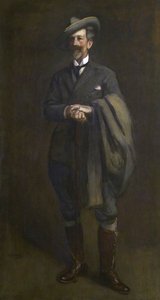
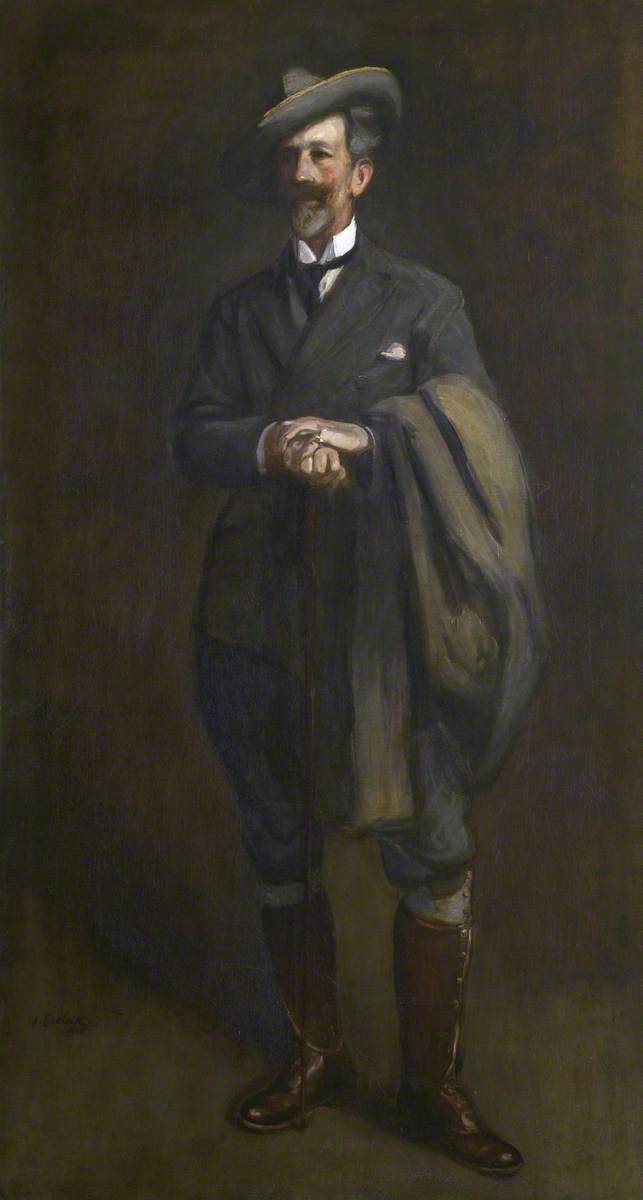
Robert Bontine Cunninghame Graham (1852–1936)
 1908
1908 205.0 x 111.0 cm
 The Stirling Smith Art Gallery - Museum
 Read More
Hand Made Oil Reproduction
Hand-painted oil on canvas in your size and frame, made to order by our artists. ( Buy Print Buy Image)




































Pick from our preset sizes that match the artwork's original proportions.

You may enter your own dimensions to fit a specific frame or space. If your selected size does not match the original image's proportions, we will either crop the artwork or extend the painting with additional hand-painted elements. A digital mockup will be sent for your approval before production begins.
Please note that the on-screen preview does not reflect the actual cropping or extension. Only the mockup will accurately show the final composition.
While custom sizes are available, we recommend selecting a dimension from the predefined list to preserve the original proportions.
After order, ArtsDot.com team will email client for instructions and provide a mockup preview
Worldwide Delivery () in 3/4 weeks instead of standard 5 weeks. (25 August). No compromise on quality.

Free Worldwide Express Shipping

High-Quality Linen Canvas

Full Shipping Insurance

Customs Tax Refund Guarantee

True Color Matching Guarantee

60-Day Return Policy (Defects Only)

100% Money-Back Guarantee

Bulk Discount Offer
 Glass option is only available in size under 110 CM

Robert Bontine Cunninghame Graham (1852–1936)
Reproduction Medium
Reproduction Size
-


Total Price
$ 263
Related Artworks
Artist Biography
The Soul Behind the Canvas: The Life and Legacy of John Crealock
To step into the world of John Mansfield Crealock is to enter an era of profound dignity and meticulous grace. A master of British portraiture during the late Victorian and Edwardian periods, Crealock possessed a rare, almost intuitive ability to look beyond the surface of his subjects. His work does not merely record a likeness; it captures a temperament, a moment of quiet reflection, or the weight of command. Born in the heart of England, specifically within the storied landscapes of Worcestershire, Crealock’s artistic identity was forged through a unique blend of classical discipline and an observant, empathetic eye for human character.
His early development was deeply rooted in the traditions of craftsmanship. As the son of a sculptor, he was raised amidst the tactile realities of form and texture, learning from a young age how light interacts with surface to create the illusion of life. This foundational training at the Worcester School of Art and Design provided him with a rigorous technical base, yet it was his brief, transformative time at the Royal College of Art in London that truly expanded his vision. Here, he moved beyond simple representation, absorbing the broader currents of British art and learning to infuse his portraits with an atmospheric depth that would become his hallmark.
A Mastery of Detail and Human Emotion
Crealock’s oeuvre is a testament to the power of realism when tempered by artistic sensitivity. He was particularly renowned for his ability to document the intricate details of his subjects—the stiff, ceremonial starch of a military uniform, the subtle sheen of silk, or the weathered lines of a seasoned officer's face. His portraits of military and civic leaders, such as Colonel F. H. Neish, demonstrate a profound respect for the dignity of his sitters. He did not merely paint their rank; he painted their responsibility.
The technique employed by Crealock was characterized by a masterful use of chiaroscuro, where the dramatic interplay of light and shadow served to sculpt the features of his subjects, lending them a three-dimensional presence that feels almost palpable. This approach allowed him to convey subtle nuances of emotion—a flicker of pride in a soldier's gaze or a somber gravity in a statesman's posture. His landscapes, though often secondary to his portraits, shared this same commitment to atmospheric perspective, capturing the rolling English countryside with a sense of timelessness and quiet majesty.
Historical Significance and Artistic Endurance
The significance of John Crealock lies in his role as a chronicler of an era in transition. As the Victorian age gave way to the complexities of the early 20th century, his work remained a steadfast anchor to the values of classical beauty and formal excellence. His ability to secure commissions from the highest echelons of British society—from wealthy patrons to influential military figures—speaks to the trust placed in his ability to preserve the legacy of his subjects for posterity.
Today, Crealock’s work continues to resonate with those who appreciate the intersection of historical accuracy and emotional depth. His paintings serve as windows into a vanished world, offering more than just visual pleasure; they offer a profound connection to the human spirit of his time. Through his dedication to the truth of the human countenance, Crealock ensured that the essence of the men and women he painted would endure long after the era of their prominence had passed.
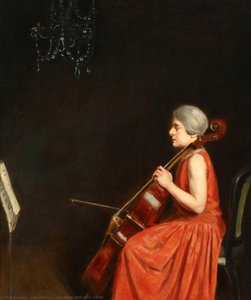
john crealock
1880 - 1963
Quick Facts
- Artistic Movement Or Style: Portrait Painting UK
- Artists Or Movements Influenced By This Artist: ['']
- Artists Who Influenced This Artist: ['']
- Date Of Death: 1959
- Full Name: John Mansfield Crealock
- Nationality: British
- Notable Artworks: ['Pacific Seacraft 37']
- Place Of Birth: England