

 Preview
 Send
Send Share
Share
 Details

 Download
 Similars
 X-Ray
X-Ray Diaporama
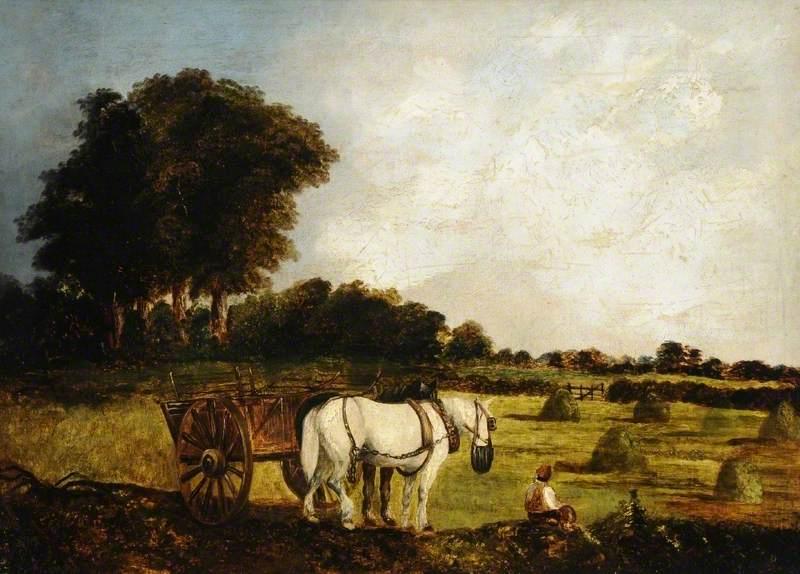
A Harvest


 Read More
Purchase a high-resolution, enhanced digital image, far superior to the online preview.
Each file is meticulously prepared by our in-house specialists using advanced tools and expert manual retouching. We ensure every image has exceptional clarity, precise color accuracy, and fine detail.
The final file is delivered via email within 72 hours, optimized for immediate use in professional, editorial, and print environments. This is the same quality trusted by top-tier design studios, publishers, and galleries.
Digital Image
Download a high-resolution file for personal display, printing, and creative projects. ( Buy Print Buy Hand Made Painting)
Included in Every Digital Image Order
Expert Digital Delivery, Guaranteed
When you choose ArtsDot.com, you're not just getting an image - you're receiving a professionally enhanced digital artwork, crafted with precision and backed by a satisfaction guarantee. Here's everything that comes with your order, automatically:

Fast Email Delivery
Your high-resolution digital image file will be emailed to you within 72 hours of ordering - ready for immediate use.

AI-Enhanced Digital File
Your artwork is professionally optimized using advanced AI tools and manual editing, ensuring maximum detail, clarity, and color accuracy.

Free Lifetime Re-Delivery
Accidentally deleted or lost your file? No worries - we'll resend it to you anytime, free of charge.

No Import Fees - Ever
Enjoy your artwork instantly with zero customs, duties, or delivery fees - digital downloads are always tax-free.

Color Accuracy Guarantee
We ensure your digital image reflects the original colors as closely as possible using professional tools and color management.

60-Day Satisfaction Guarantee
If you're not satisfied with your digital image, we'll revise it or refund 100% within 60 days - no questions asked.

100% Money-Back Guarantee
Not satisfied? Get a full refund within 60 days of receiving your digital file - no questions asked.

Bulk Order Discounts
Buy 3 images, save 10% - Buy 5, save 15% - Buy 10+, save 20%. Great for creative projects, galleries, and agencies.
Collectible Description
A Vision of Rural Labor: John Crome’s “The Ploughman”
John Crome's "The Ploughman," painted circa 1800, is more than just a depiction of agricultural work; it’s a poignant meditation on the rhythms of rural life and the enduring connection between humanity and the land. Created during a period of significant social change in Britain – the rise of industrialization threatening traditional ways of life – Crome's painting offers a powerful, almost melancholic, snapshot of a vanishing world. The work immediately draws the viewer into a scene of quiet industry, dominated by the central figure of the ploughman, his posture conveying both strength and weariness. He is not presented as a heroic figure, but rather as an embodiment of tireless effort, a man inextricably linked to the soil and the seasons.
- Subject Matter: The painting’s subject – a solitary ploughman working a field – was a common motif in British art during the late 18th and early 19th centuries. However, Crome elevates this familiar theme through his meticulous attention to detail and his ability to imbue the scene with a profound sense of atmosphere.
- Style: “The Ploughman” exemplifies the Norwich School’s distinctive approach to landscape painting. Unlike the idealized landscapes favored by some of their contemporaries, Crome presents a realistic portrayal of East Anglian farmland, emphasizing its rugged beauty and the harshness of its environment.
Technique and Materials: A Masterclass in Observation
Crome’s skill as a painter is immediately apparent in his masterful use of technique. He employed a layered approach to painting, building up the image through numerous thin glazes of oil paint – a hallmark of the Norwich School. This painstaking process allowed him to achieve remarkable tonal variations and subtle shifts in color, capturing the nuances of light and shadow on the figures and the landscape. The brushwork is loose yet controlled, conveying both the texture of the plowed earth and the movement of the horses. Note the careful rendering of the plough itself – a complex machine reflecting the ingenuity of rural technology – and the weathered appearance of the ploughman’s clothing, suggesting years of hard labor.
Key Technical Elements:- Oil on Canvas: Crome utilized oil paints for their rich color saturation and ability to create smooth, blended surfaces.
- Glazing Technique: Multiple thin layers of translucent paint were applied to build up depth and luminosity.
- Detailed Observation: The artist’s meticulous attention to detail is evident in the rendering of textures – from the rough fabric of the ploughman's clothes to the furrowed earth.
Symbolism and Historical Context
“The Ploughman” resonates with deeper symbolic meanings, reflecting the anxieties and uncertainties of the era. The solitary figure represents a traditional way of life under threat. The vastness of the landscape emphasizes the individual’s vulnerability against the forces of nature and societal change. Crome's work can be seen as a quiet protest against the encroachment of industrialization, a plea to preserve the values of rural community and hard-won labor. Painted during a time when agricultural reform was debated fiercely, the image subtly speaks to the importance of sustainable practices and the dignity of manual work.
Historical Significance:- Norwich School: Crome’s painting is a quintessential example of the Norwich School's focus on regional landscapes and realistic depictions of rural life.
- Social Commentary: The work subtly reflects concerns about social inequality and the impact of industrialization on traditional communities.
Emotional Impact and Legacy
Ultimately, “The Ploughman” evokes a powerful sense of nostalgia and contemplation. It’s a painting that invites viewers to reflect on the relationship between humanity and nature, the value of labor, and the passage of time. Crome's ability to capture not just the physical appearance of the scene but also its emotional essence ensures that this work continues to resonate with audiences today. It stands as a testament to his artistic skill and his profound understanding of the human condition – a timeless image of rural life imbued with both beauty and melancholy.
Related Artworks
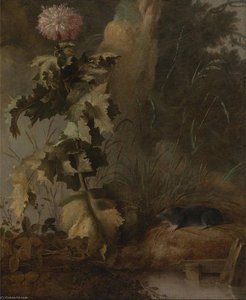
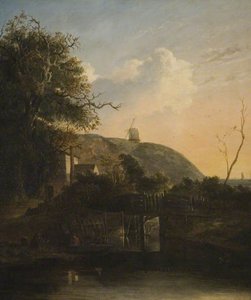
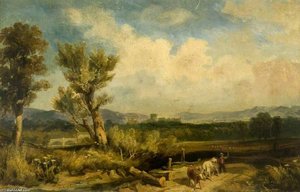
Artist Biography
A Norfolk Son: The Life and Art of John Crome
John Crome, affectionately known as “Old Crome” to distinguish him from his artist son, stands as a pivotal figure in British art history—a founder and leading light of the celebrated Norwich School. Born in 1768 in the bustling market town of Norwich, Norfolk, Crome’s journey was one of remarkable self-education and dedication, rising from humble beginnings to become a respected landscape painter who captured the very essence of his beloved East Anglian countryside. His father, a weaver, instilled a strong work ethic, but it was an apprenticeship with house, coach, and sign painter Francis Whisler that first nurtured Crome’s artistic inclinations, providing him with foundational skills in design and color. This practical training proved invaluable as he began to explore his passion for depicting the natural world around him. A formative friendship with Robert Ladbrooke, a fellow aspiring artist, further fueled his development; together they sketched en plein air, honing their observational abilities and sharing a burgeoning enthusiasm for art.Forging a Regional Identity: The Norwich School
Crome’s artistic trajectory was significantly shaped by the generosity of Thomas Harvey of Old Catton, who granted him access to his impressive art collection. This exposure to masterpieces by artists like Gainsborough and Hobbema proved transformative, providing Crome with crucial models for composition, light, and atmosphere. Further guidance came from established figures such as Sir William Beechey and John Opie, cementing his connection to the wider artistic community. However, it was in 1803 that Crome truly left his mark on the art world, co-founding the Norwich Society of Artists with Robert Ladbrooke. This bold initiative marked the formal beginning of the Norwich School—a groundbreaking movement that championed direct observation of nature and sought to capture the unique character of the Norfolk landscape, distinct from the prevailing artistic trends emanating from London. As a frequent president of the society, Crome became its driving force, fostering a community of like-minded painters dedicated to celebrating their regional identity.Romantic Sensibility and Artistic Influences
Crome’s style is characterized by a distinctly Romantic sensibility—an expressive brushwork, atmospheric depictions, and an emotional connection to the land. He was deeply rooted in Norfolk scenery, finding inspiration in its broad skies, winding rivers, ancient trees, and humble rural life. While he drew heavily from Dutch 17th-century masters like Hobbema – a lifelong admiration culminating in his famous last words, “Oh Hobbema, my dear Hobbema, how I have loved you!” – he also acknowledged the influence of Richard Wilson’s lyrical landscapes. Crome distinguished himself by being among the first English artists to accurately represent identifiable tree species, moving beyond generalized forms and demonstrating a keen botanical eye. Proficient in both watercolor and oil, he produced over 300 paintings throughout his career, each imbued with a sense of intimacy and authenticity. His works weren’t merely representations of places; they were evocations of mood and feeling, capturing the spirit of Norfolk with remarkable sensitivity.Legacy and Lasting Impact
John Crome's contribution extended far beyond his artistic output. The Norwich School he helped establish fostered a distinct regional artistic identity, nurturing generations of painters who followed in his footsteps. Though initially facing some resistance from the London art establishment, Crome gained national recognition through thirteen exhibits at the Royal Academy between 1806 and 1818. His etchings, though unpublished during his lifetime, revealed another facet of his talent. A posthumous exhibition showcasing over 100 of his works underscored the esteem in which he was held by his peers. Even today, Crome’s legacy endures—not only through his paintings but also in the geographical landmarks that bear his name: Crome’s Broad and Crome ward stand as enduring testaments to his lasting impact on Norwich and Norfolk. His life serves as an inspiring example of how artistic vision, combined with a deep connection to one's surroundings, can create a body of work that resonates across generations.Final Years and Reflections
In 1814, Crome embarked on a brief but significant journey to Paris following Napoleon’s defeat, incorporating views of the city into his repertoire. He continued to share his knowledge and passion as a drawing master at Norwich School for many years, mentoring promising artists like James Stark and Edward Thomas Daniell. His dedication to education ensured that the spirit of the Norwich School would continue to flourish. John Crome passed away on April 22, 1821, in his beloved Norwich, leaving behind a legacy as one of England’s most important landscape painters. He wasn't merely an artist; he was a chronicler of place, a champion of regional identity, and a testament to the power of artistic vision born from humble beginnings. His work continues to captivate viewers with its quiet beauty, evocative atmosphere, and enduring connection to the heart of Norfolk.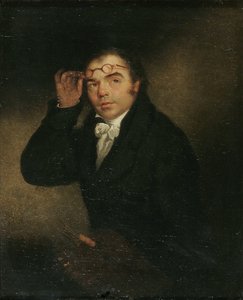
John Crome
1768 - 1821 , United Kingdom
Quick Facts
- Artistic Movement Or Style: Romanticism, Norwich School
- Artists Or Movements Influenced By This Artist: ['Norwich School']
- Artists Who Influenced This Artist:
- Hobbema
- Wilson
- Date Of Birth: 1768
- Date Of Death: 1821
- Full Name: John Crome
- Nationality: English
- Notable Artworks:
- The Lime Kiln
- Grove Scene
- Mousehold Heath
- Place Of Birth: Norwich, UK

