

 Preview
 Send
Send Share
Share
 Details

 Download
 Similars
 X-Ray
X-Ray Diaporama
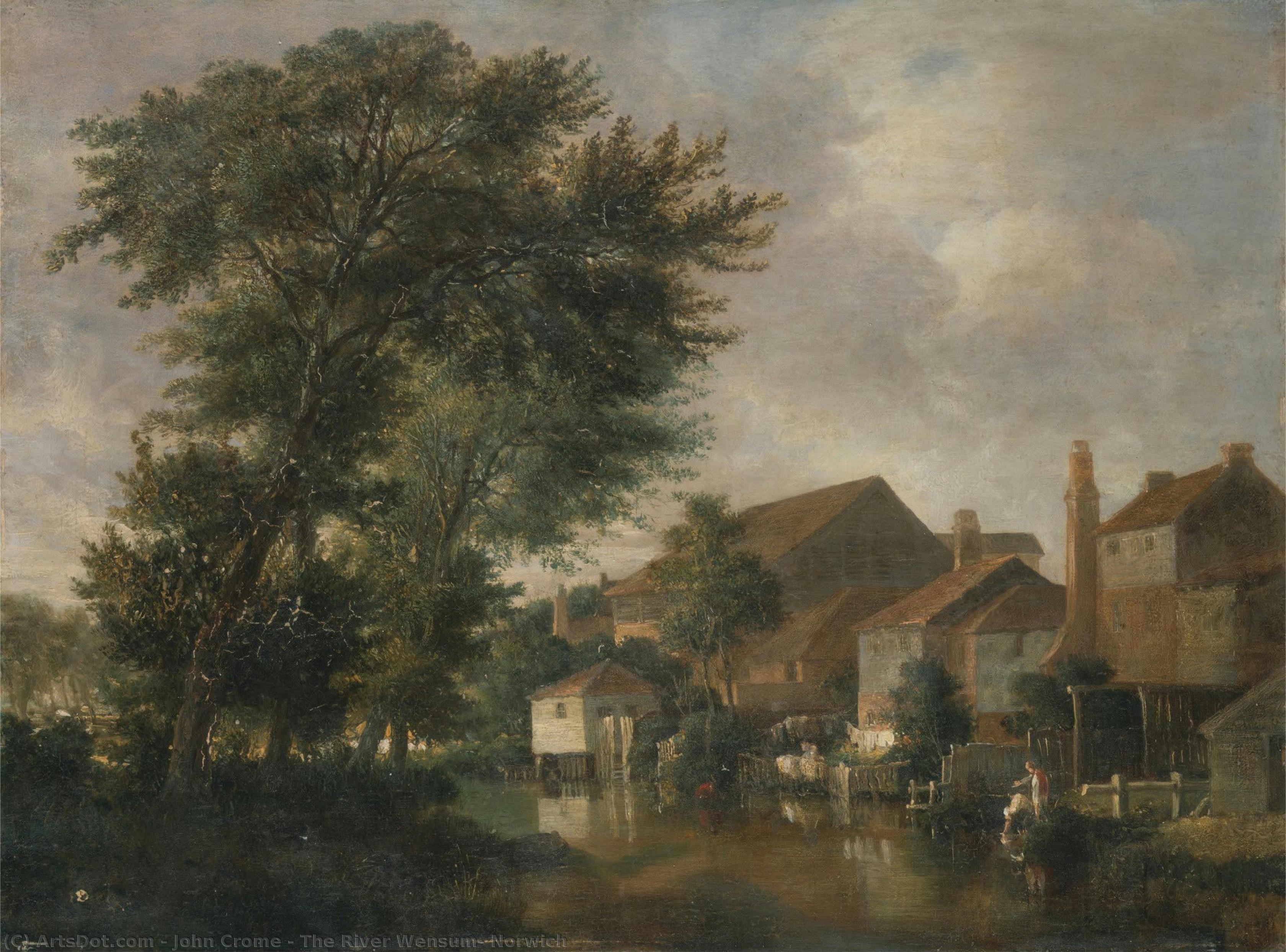
The River Wensum, Norwich
 Oil
Oil- WallArt
- Norwich School of Painters
 1814
1814- 19th Century
 73.0 x 105.0 cm
 Yale Center for British Art
 Read More
Purchase a high-resolution, enhanced digital image, far superior to the online preview.
Each file is meticulously prepared by our in-house specialists using advanced tools and expert manual retouching. We ensure every image has exceptional clarity, precise color accuracy, and fine detail.
The final file is delivered via email within 72 hours, optimized for immediate use in professional, editorial, and print environments. This is the same quality trusted by top-tier design studios, publishers, and galleries.
Digital Image
Download a high-resolution file for personal display, printing, and creative projects. ( Buy Print Buy Hand Made Painting)
Included in Every Digital Image Order
Expert Digital Delivery, Guaranteed
When you choose ArtsDot.com, you're not just getting an image - you're receiving a professionally enhanced digital artwork, crafted with precision and backed by a satisfaction guarantee. Here's everything that comes with your order, automatically:

Fast Email Delivery
Your high-resolution digital image file will be emailed to you within 72 hours of ordering - ready for immediate use.

AI-Enhanced Digital File
Your artwork is professionally optimized using advanced AI tools and manual editing, ensuring maximum detail, clarity, and color accuracy.

Free Lifetime Re-Delivery
Accidentally deleted or lost your file? No worries - we'll resend it to you anytime, free of charge.

No Import Fees - Ever
Enjoy your artwork instantly with zero customs, duties, or delivery fees - digital downloads are always tax-free.

Color Accuracy Guarantee
We ensure your digital image reflects the original colors as closely as possible using professional tools and color management.

60-Day Satisfaction Guarantee
If you're not satisfied with your digital image, we'll revise it or refund 100% within 60 days - no questions asked.

100% Money-Back Guarantee
Not satisfied? Get a full refund within 60 days of receiving your digital file - no questions asked.

Bulk Order Discounts
Buy 3 images, save 10% - Buy 5, save 15% - Buy 10+, save 20%. Great for creative projects, galleries, and agencies.
Collectible Description
A Serene Vision of East Anglian Splendor
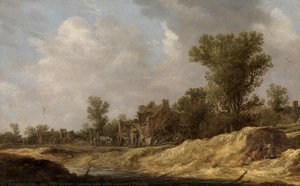
In the quietude of 1814, John Crome captured a moment of profound tranquility in his masterpiece, The River Wensum, Norwich. This evocative landscape serves as more than just a depiction of a waterway; it is a window into the soul of the Norfolk countryside during the height of the Norwich School's influence. As the eye wanders across the canvas, one is immediately struck by the majestic presence of a sprawling tree, its branches reaching across the composition like protective arms over the landscape. This central natural element anchors the scene, creating a sense of structural harmony that balances the gentle movement of the river below. The water itself reflects the soft, atmospheric light characteristic of Crome’s mastery, inviting the viewer to step into a world where time seems to slow, and the bustle of urban life is replaced by the rhythmic flow of nature.
The composition is masterfully layered with life, weaving together the pastoral and the human. Along the riverbanks, small figures are scattered throughout the scene—some gathered near the water's edge, others drifting in the distance—adding a sense of scale and narrative depth to the landscape. A lone horse rests on the right, a subtle nod to the agrarian rhythms of the era, while a solitary boat glides down the Wensum, its presence suggesting the quiet commerce and leisure that defined life along this historic route. Through these delicate details, Crome achieves a sense of "lived-in" beauty, where every element contributes to an idyllic atmosphere of peace and communal harmony.
Technique and the Legacy of the Norwich School
Crome’s technical prowess is evident in his ability to manipulate light and texture to evoke a specific mood. Influenced by the Dutch Golden Age masters, he utilized a sophisticated palette of earthy tones, deep greens, and luminous highlights to create an atmospheric depth that feels almost tactile. His brushwork, while controlled, possesses a vitality that breathes life into the foliage and the shimmering surface of the river. This technique allows the viewer to experience the humidity of the air and the coolness of the shade, making the painting a sensory experience rather than a mere visual one.
For collectors and interior designers alike, this work offers an unparalleled opportunity to introduce a sense of historical prestige and organic warmth into a space. The painting’s ability to harmonize with both classical and contemporary decor makes it a versatile centerpiece for any curated collection. As a high-quality reproduction, it brings the timeless charm of the British landscape into the modern home, offering a focal point that inspires contemplation and provides a soothing escape from the complexities of modern life. To possess such a piece is to hold a fragment of English heritage, celebrating the enduring beauty of the natural world as seen through the eyes of one of Britain's most beloved landscape pioneers.
Related Artworks
Artist Biography
A Norfolk Son: The Life and Art of John Crome
John Crome, affectionately known as “Old Crome” to distinguish him from his artist son, stands as a pivotal figure in British art history—a founder and leading light of the celebrated Norwich School. Born in 1768 in the bustling market town of Norwich, Norfolk, Crome’s journey was one of remarkable self-education and dedication, rising from humble beginnings to become a respected landscape painter who captured the very essence of his beloved East Anglian countryside. His father, a weaver, instilled a strong work ethic, but it was an apprenticeship with house, coach, and sign painter Francis Whisler that first nurtured Crome’s artistic inclinations, providing him with foundational skills in design and color. This practical training proved invaluable as he began to explore his passion for depicting the natural world around him. A formative friendship with Robert Ladbrooke, a fellow aspiring artist, further fueled his development; together they sketched en plein air, honing their observational abilities and sharing a burgeoning enthusiasm for art.Forging a Regional Identity: The Norwich School
Crome’s artistic trajectory was significantly shaped by the generosity of Thomas Harvey of Old Catton, who granted him access to his impressive art collection. This exposure to masterpieces by artists like Gainsborough and Hobbema proved transformative, providing Crome with crucial models for composition, light, and atmosphere. Further guidance came from established figures such as Sir William Beechey and John Opie, cementing his connection to the wider artistic community. However, it was in 1803 that Crome truly left his mark on the art world, co-founding the Norwich Society of Artists with Robert Ladbrooke. This bold initiative marked the formal beginning of the Norwich School—a groundbreaking movement that championed direct observation of nature and sought to capture the unique character of the Norfolk landscape, distinct from the prevailing artistic trends emanating from London. As a frequent president of the society, Crome became its driving force, fostering a community of like-minded painters dedicated to celebrating their regional identity.Romantic Sensibility and Artistic Influences
Crome’s style is characterized by a distinctly Romantic sensibility—an expressive brushwork, atmospheric depictions, and an emotional connection to the land. He was deeply rooted in Norfolk scenery, finding inspiration in its broad skies, winding rivers, ancient trees, and humble rural life. While he drew heavily from Dutch 17th-century masters like Hobbema – a lifelong admiration culminating in his famous last words, “Oh Hobbema, my dear Hobbema, how I have loved you!” – he also acknowledged the influence of Richard Wilson’s lyrical landscapes. Crome distinguished himself by being among the first English artists to accurately represent identifiable tree species, moving beyond generalized forms and demonstrating a keen botanical eye. Proficient in both watercolor and oil, he produced over 300 paintings throughout his career, each imbued with a sense of intimacy and authenticity. His works weren’t merely representations of places; they were evocations of mood and feeling, capturing the spirit of Norfolk with remarkable sensitivity.Legacy and Lasting Impact
John Crome's contribution extended far beyond his artistic output. The Norwich School he helped establish fostered a distinct regional artistic identity, nurturing generations of painters who followed in his footsteps. Though initially facing some resistance from the London art establishment, Crome gained national recognition through thirteen exhibits at the Royal Academy between 1806 and 1818. His etchings, though unpublished during his lifetime, revealed another facet of his talent. A posthumous exhibition showcasing over 100 of his works underscored the esteem in which he was held by his peers. Even today, Crome’s legacy endures—not only through his paintings but also in the geographical landmarks that bear his name: Crome’s Broad and Crome ward stand as enduring testaments to his lasting impact on Norwich and Norfolk. His life serves as an inspiring example of how artistic vision, combined with a deep connection to one's surroundings, can create a body of work that resonates across generations.Final Years and Reflections
In 1814, Crome embarked on a brief but significant journey to Paris following Napoleon’s defeat, incorporating views of the city into his repertoire. He continued to share his knowledge and passion as a drawing master at Norwich School for many years, mentoring promising artists like James Stark and Edward Thomas Daniell. His dedication to education ensured that the spirit of the Norwich School would continue to flourish. John Crome passed away on April 22, 1821, in his beloved Norwich, leaving behind a legacy as one of England’s most important landscape painters. He wasn't merely an artist; he was a chronicler of place, a champion of regional identity, and a testament to the power of artistic vision born from humble beginnings. His work continues to captivate viewers with its quiet beauty, evocative atmosphere, and enduring connection to the heart of Norfolk.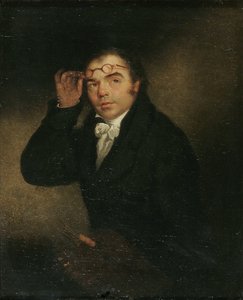
John Crome
1768 - 1821 , United Kingdom
Quick Facts
- Artistic Movement Or Style: Romanticism, Norwich School
- Artists Or Movements Influenced By This Artist: ['Norwich School']
- Artists Who Influenced This Artist:
- Hobbema
- Wilson
- Date Of Birth: 1768
- Date Of Death: 1821
- Full Name: John Crome
- Nationality: English
- Notable Artworks:
- The Lime Kiln
- Grove Scene
- Mousehold Heath
- Place Of Birth: Norwich, UK

