 Preview
 Send
Send Share
Share
 Details

 Download
 Similars
 X-Ray
X-Ray Diaporama
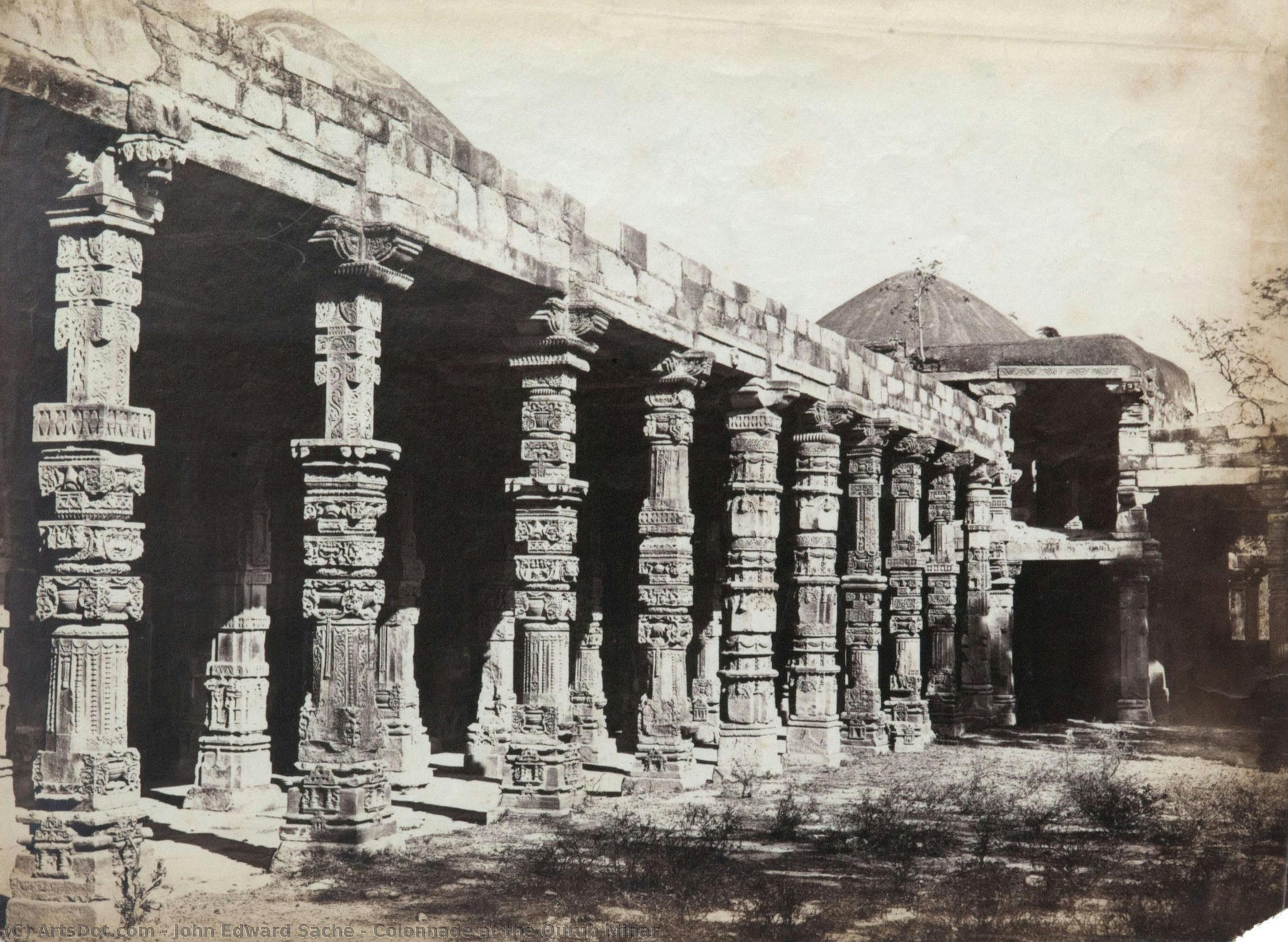
Colonnade at the Qutub Minar


 Read More
Hand Made Oil Reproduction
Hand-painted oil on canvas in your size and frame, made to order by our artists. ( Buy Print Buy Image)




































Pick from our preset sizes that match the artwork's original proportions.

You may enter your own dimensions to fit a specific frame or space. If your selected size does not match the original image's proportions, we will either crop the artwork or extend the painting with additional hand-painted elements. A digital mockup will be sent for your approval before production begins.
Please note that the on-screen preview does not reflect the actual cropping or extension. Only the mockup will accurately show the final composition.
While custom sizes are available, we recommend selecting a dimension from the predefined list to preserve the original proportions.
After order, ArtsDot.com team will email client for instructions and provide a mockup preview
Worldwide Delivery () in 3/4 weeks instead of standard 5 weeks. (21 August). No compromise on quality.

Free Worldwide Express Shipping

High-Quality Linen Canvas

Full Shipping Insurance

Customs Tax Refund Guarantee

True Color Matching Guarantee

60-Day Return Policy (Defects Only)

100% Money-Back Guarantee

Bulk Discount Offer
 Glass option is only available in size under 110 CM

Colonnade at the Qutub Minar
Reproduction Medium
Reproduction Size
-


Total Price
$ 263
Related Artworks
Artist Biography
A Pioneer of Photographic Documentation: The Life and Legacy of John Edward Sache
John Edward Saché, born Johann Edvart Zachert in Berlin, Germany, around 1824, stands as a compelling figure in the history of 19th-century photography. His journey took him from his European origins to the bustling heart of colonial India, where he established himself as a prolific and influential documentarian of a subcontinent undergoing profound transformation. While details surrounding his early life remain somewhat elusive, Saché’s impact on visual representations of India is undeniable. He arrived in Calcutta in 1864, already possessing photographic experience gained in the United States, and quickly recognized the potential for capturing the diverse landscapes, architecture, and people of British India. This was a period where photography was rapidly evolving from a scientific curiosity to a powerful medium for both artistic expression and imperial documentation.Establishing a Photographic Presence in Colonial India
The late 1860s saw Saché forge partnerships that were instrumental in building his reputation. Initially collaborating with W.F. Westfield, he capitalized on the growing demand for photographic portraits and scenic views among both European residents and Indian elites. In 1869, a significant turning point occurred when Saché and Westfield acquired the extensive negative collection of F.W. Baker & Co., instantly expanding their repertoire and establishing them as major players in the Calcutta photographic scene. However, this partnership proved short-lived; by 1870, they had dissolved their association, each pursuing independent ventures. Saché’s decision to establish studios not only in Calcutta but also in the hill station of Nainital – a favored summer retreat for British officials and wealthy Indians escaping the heat – demonstrated his astute business acumen. This strategic positioning allowed him access to a wider clientele and diverse subject matter. He further expanded his reach with additional studios in Lucknow, Meerut, Mussoorie, Cawnpore (Kanpur), and Benares throughout the 1870s, creating a network that spanned much of northern India.A Master of the Picturesque: Saché’s Artistic Style and Subject Matter
Saché distinguished himself as a “master of the picturesque,” excelling in compositions that emphasized beauty and atmosphere. His photographs weren't merely objective records; they were carefully crafted scenes designed to appeal to aesthetic sensibilities. He produced an estimated 2000 views of India, encompassing a remarkable range of subjects. Architectural marvels like the Qutub Minar in Delhi received meticulous attention, capturing their grandeur and historical significance. He documented bustling cityscapes, serene landscapes, and portraits of Indian individuals, often categorized by “types” – reflecting the colonial preoccupation with classifying and understanding diverse cultures. A particularly notable body of work focused on the Alipore Zoological Garden in Kolkata, providing a fascinating glimpse into the exotic animal collections that were popular attractions during this era. Saché’s use of albumen prints, the dominant photographic process of the time, contributed to the clarity and detail of his images. The 10x12 inch plate negatives he employed allowed for exceptional resolution, capturing intricate details in his compositions.Historical Significance and Lasting Influence
John Edward Saché’s work provides invaluable insights into 19th-century India – its architecture, landscapes, social life, and the complex dynamics of colonial rule. His photographs served as visual records for European audiences eager to learn about the British Empire's possessions, but they also played a role in shaping perceptions of Indian culture and identity. While some scholars have noted that Saché occasionally re-photographed scenes originally captured by other photographers like Samuel Bourne – sometimes with remarkable precision – this practice underscores his commitment to providing comprehensive documentation. He died in 1882, leaving behind a substantial photographic archive that continues to be studied and appreciated today. His legacy lies not only in the sheer volume of images he produced but also in his ability to blend artistic skill with meticulous documentation, offering a captivating window into a pivotal period in Indian history. Saché’s work remains an important resource for understanding the visual culture of colonial India and the evolving role of photography as a medium for both representation and power.Further Exploration
- Maddyworks: A detailed biography exploring his life and career: https://maddyworks.com/john-edward-sache/
- Monoskop: A wiki entry providing a concise overview of his work and context: https://monoskop.org/John_Edward_Sache
- Academia.edu: A research paper focusing on the Saché family of photographers: https://www.academia.edu/6760019/The_Sach%C3%A9s_a_family_of_photographers_working_in_India_during_the_19th_century
- Wahoo Art: Explore his artworks and biography: https://ArtsDot.com/en/artists/john-edward-sache-en/?srsltid=AfmBOopBBpNgCdouhb_Wt4IVd3SxQBj4g3YLDgQhenCgKXXZ_EeGSRUD
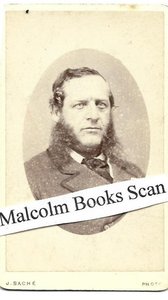
john edward saché
1824 - 1882 , Germany
Quick Facts
- Artistic Movement Or Style: Photography
- Date Of Birth: 1824
- Date Of Death: 1882
- Full Name: John Edward Saché
- Nationality: German
- Notable Artworks:
- Colonnade at the Qutub Minar
- Alipore Zoological Garden
- Place Of Birth: Berlin, Germany