 Preview
 Send
Send Share
Share
 Details

 Download
 Similars
 X-Ray
X-Ray Diaporama
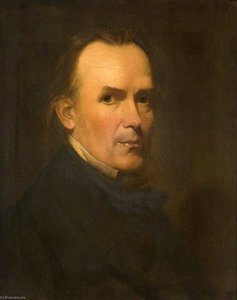
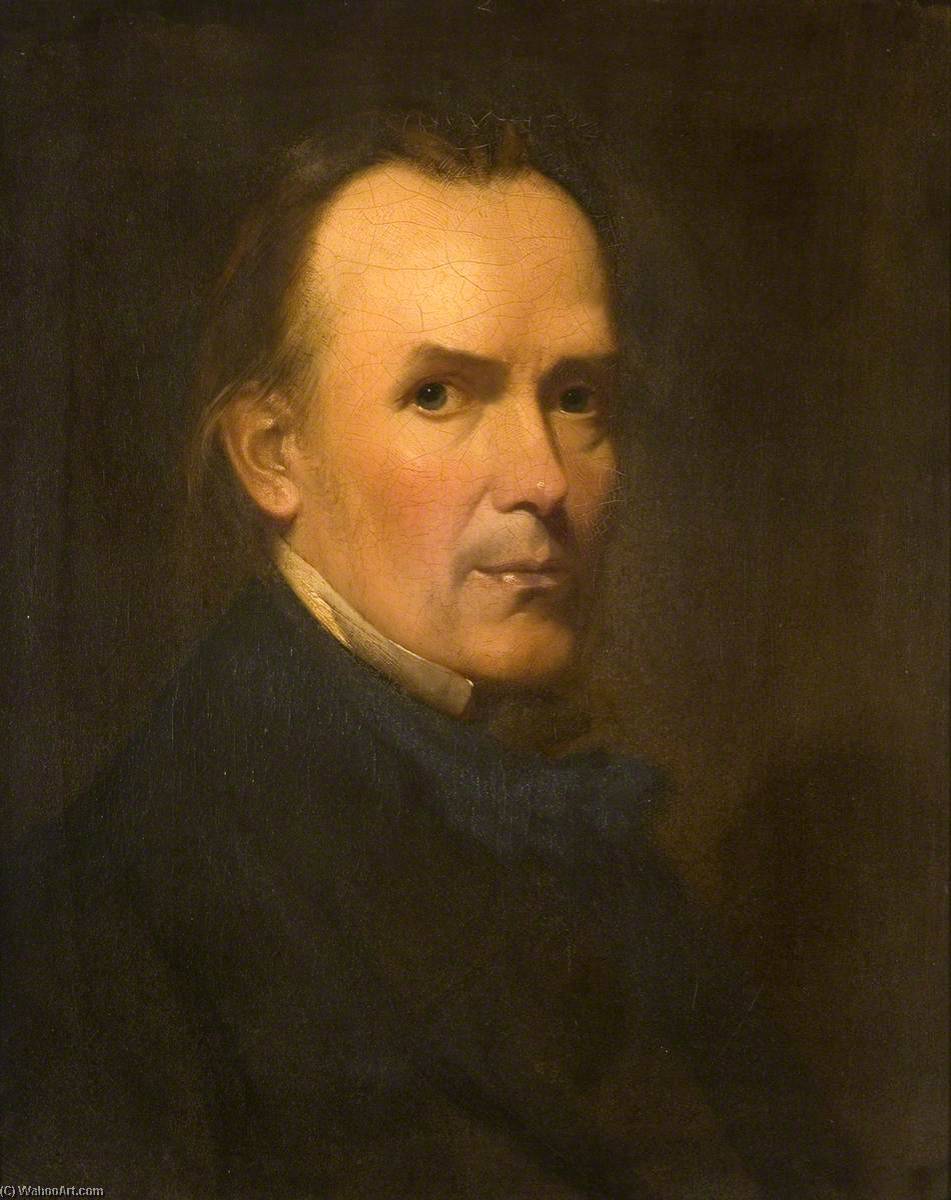
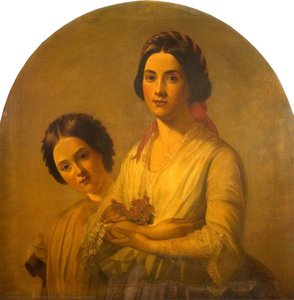
Self Portrait
 30.0 x 25.0 cm
 Read More
Hand Made Oil Reproduction
Hand-painted oil on canvas in your size and frame, made to order by our artists. ( Buy Print Buy Image)




































Pick from our preset sizes that match the artwork's original proportions.

You may enter your own dimensions to fit a specific frame or space. If your selected size does not match the original image's proportions, we will either crop the artwork or extend the painting with additional hand-painted elements. A digital mockup will be sent for your approval before production begins.
Please note that the on-screen preview does not reflect the actual cropping or extension. Only the mockup will accurately show the final composition.
While custom sizes are available, we recommend selecting a dimension from the predefined list to preserve the original proportions.
After order, ArtsDot.com team will email client for instructions and provide a mockup preview
Worldwide Delivery () in 3/4 weeks instead of standard 5 weeks. (18 August). No compromise on quality.

Free Worldwide Express Shipping

High-Quality Linen Canvas

Full Shipping Insurance

Customs Tax Refund Guarantee

True Color Matching Guarantee

60-Day Return Policy (Defects Only)

100% Money-Back Guarantee

Bulk Discount Offer
 Glass option is only available in size under 110 CM

Self Portrait
Reproduction Medium
Reproduction Size
-


Total Price
$ 263
Related Artworks


Artist Biography
Early Life and Origins in Staffordshire Potteries
John Emery, born in the heart of Staffordshire potteries in 1802, emerged from a region steeped in artistic tradition—though one primarily focused on functional beauty rather than portraiture. This unique upbringing would subtly shape his approach to art, imbuing his work with a sense of grounded realism and an appreciation for the everyday lives of those he depicted. While details surrounding his earliest education remain scarce, it’s clear that Emery possessed a natural inclination towards visual representation, a talent nurtured within a community renowned for its skilled craftsmanship. The potteries themselves, bustling centers of industry and innovation, provided a rich tapestry of subjects—the workers, the families, the landscapes—that would later populate his canvases.
A Portraitist in a Changing Era
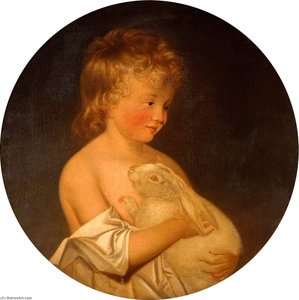
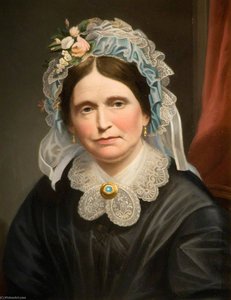
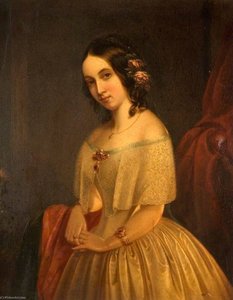
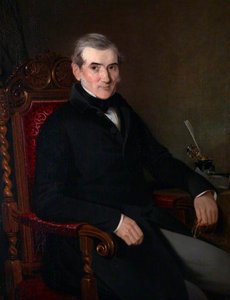
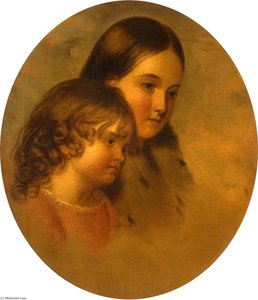
Emery’s career blossomed during the 19th century, an era defined by rapid social and technological change. He established himself as a portrait painter, catering to the growing middle class who sought affordable representations of themselves and their loved ones. Unlike the grand historical paintings favored by the aristocracy, Emery focused on intimate portrayals—local families, religious figures, and individuals within his immediate community. This dedication to local subjects distinguished him from many of his contemporaries, creating a body of work that offers a fascinating glimpse into Victorian life in Staffordshire.
The Embrace of Photography
As the 19th century progressed, photography emerged as a powerful new medium, initially perceived as a threat to traditional painting. However, Emery didn’t shy away from this innovation; instead, he embraced it. He skillfully adapted his artistic sensibilities to the photographic process, becoming known for both painted portraits and photographic artistry. This willingness to experiment demonstrates a forward-thinking approach and an understanding of the evolving landscape of visual culture. His integration of photography into his practice suggests a desire not to replace painting but to complement it—to offer clients a wider range of options and capture likenesses with unprecedented accuracy.
Style, Technique, and Influences
Emery’s style is characterized by its realism and attention to detail. His portraits are not idealized representations; they strive for authenticity, capturing the unique features and personalities of his sitters. While influenced by the prevailing Victorian aesthetic—a preference for sentimentality and moral narratives—his work also possesses a distinct sense of intimacy and warmth. He wasn’t formally associated with any particular art movement, but his paintings reflect a broader trend towards realism that gained momentum throughout the 19th century. His technique likely involved meticulous brushwork and careful observation, honed through years of practice and a deep understanding of human anatomy.
Legacy and Historical Significance
Though not widely celebrated during his lifetime, John Emery’s legacy endures through the preservation of his paintings and photographs. His work provides invaluable insights into Victorian society, offering a glimpse into the lives of ordinary people often overlooked by mainstream historical narratives. He stands as a testament to the importance of local art—the power of portraiture to capture individual stories and preserve cultural memory. Today, his paintings are increasingly recognized for their artistic merit and historical significance, ensuring that his contribution to British art is not forgotten.
- Notable Artworks: Local Portraits
- Nationality: British
- Date Of Death: 1893
- Artistic Movement Or Style: Victorian portraits
Emery’s story is a reminder that artistic excellence can flourish outside the confines of established institutions and grand narratives. His dedication to his community, his willingness to embrace new technologies, and his commitment to capturing the essence of human experience continue to resonate with audiences today.
john emery
1802 - 1893
Quick Facts
- Artistic Movement Or Style: Victorian portraits
- Date Of Death: 1893
- Full Name: John Emery
- Nationality: British
- Notable Artworks: ['Local Portraits']
- Place Of Birth: Staffordshire potteries