 Preview
 Send
Send Share
Share
 Details

 Download
 Similars
 X-Ray
X-Ray Diaporama
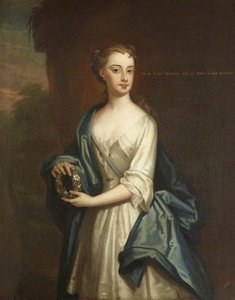
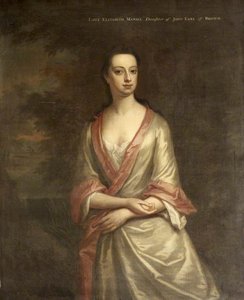
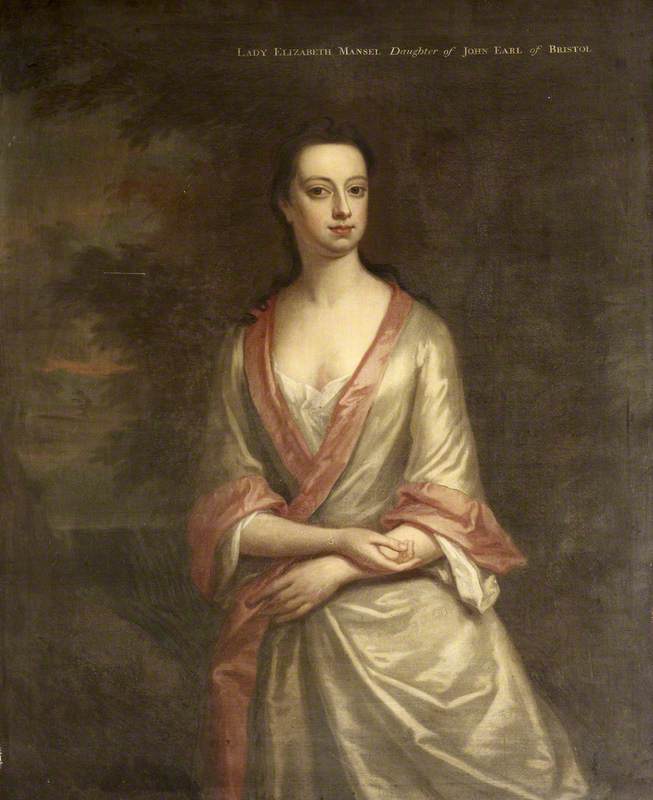
Lady Elizabeth Hervey (1697–1727), Lady Mansel (after Jonathan Richardson the younger)
 1725
1725 125.0 x 99.0 cm
 Read More
Giclée / Art Print
Museum-quality giclée or canvas print with fast production and flexible finish options. ( Buy Hand Made Painting Buy Image)




































Pick from our preset sizes that match the artwork's original proportions.

You may enter your own dimensions to fit a specific frame or space. If your selected size does not match the original image's proportions, we will either crop the artwork or extend the image with a mirrored or solid-fill edge. A digital mockup will be sent for your approval before production begins.
Please note that the on-screen preview does not reflect the actual cropping or extension. Only the mockup will accurately show the final composition.
While custom sizes are available, we recommend selecting a dimension from the predefined list to preserve the original proportions.
Worldwide Delivery () in 2 weeks instead of standard 4/5 weeks. (28 August)

Free Worldwide Express Shipping

High-Quality Linen Canvas

Full Shipping Insurance

Customs Tax Refund Guarantee

True Color Matching Guarantee

60-Day Return Policy (Defects Only)

100% Money-Back Guarantee

Bulk Discount Offer
 Glass option is only available in size under 110 CM

Lady Elizabeth Hervey (1697–1727), Lady Mansel (after Jonathan Richardson the younger)
Giclée / Art Print
Reproduction Size
-


Total Price
$ 63
Related Artworks










Artist Biography
The Quiet Precision of John Fayram
In the vibrant, often theatrical landscape of eighteenth-century English art, where grand gestures and idealized beauty frequently commanded the spotlight, the work of John Fayram offers a compelling study in restrained excellence. An artist whose name may not resonate with the same immediate thunder as his contemporaries, Fayram carved out a significant, if more subtle, niche within the portraiture traditions of the Georgian era. Born in 1690 in Woodbridge, Suffolk, his journey from the quiet corners of East Anglia to the bustling artistic circles of London reflects the classic trajectory of an ambitious talent seeking to capture the very essence of his age.
Fayram’s artistic identity was profoundly shaped by his formative years at the Kneller Academy. It was here that he encountered the rigorous standards of the era, honing a skill set that prioritized anatomical accuracy and a meticulous approach to detail. While historical accounts often link him to the influence of great masters, his style emerged as a distinct departure from the flamboyant compositions favored by many of his peers. Where others sought to drape their subjects in mythological grandeur or sweeping theatricality, Fayram turned his gaze toward a more intimate realism, finding profound beauty in the subtle nuances of character and the honest rendering of the human form.
Mastery of Light and Form
The technical brilliance of Fayram lies in his sophisticated command of disegno—the Italian tradition of drawing and structural precision. He possessed an uncanny ability to translate the complexities of musculature and bone structure onto canvas, creating portraits that felt remarkably alive. This anatomical rigor was never merely clinical; rather, it served as the foundation for a masterful interplay of light and shadow. By utilizing a controlled palette and focusing on smaller, more intimate canvases, he was able to direct the viewer's eye toward the psychological depth of his subjects.
His technique often leaned into a refined realism that captured the textures of skin, fabric, and even the atmospheric qualities of his surroundings. This dedication to accuracy allowed him to move beyond simple likeness, imbuing his portraits with a sense of presence that transcends time. Whether rendering the sharp lines of a naval uniform or the soft glow of candlelight upon a noble face, Fayram’s work remains a testament to the power of observation and the elegance of restraint.
Legacy and the Hervey Connection
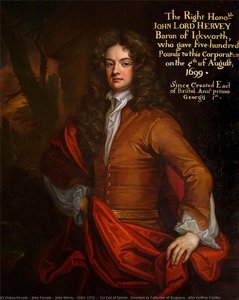
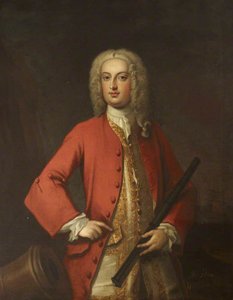
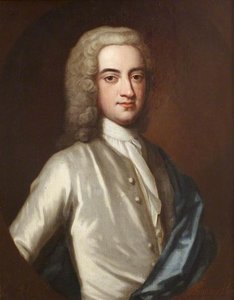
Fayram’s professional zenith was marked by his successful engagement with the upper echelons of British society. He gained considerable renown through his commissions for prominent families, most notably the Hervey family, a powerful and wealthy dynasty in Norfolk. Through these portraits, Fayram became a visual chronicler of the era's nobility, capturing not just their physical attributes but the very dignity and social standing they embodied. His depictions of figures such as Felton Hervey and members of the wider London elite helped cement his reputation as a trusted hand for those seeking a legacy preserved in paint.
Beyond the realm of portraiture, Fayram also explored the delicate art of landscape through slight, evocative etchings of the Chelsea and Battersea areas, as well as the scenic Hermitage in Kew Gardens. This versatility speaks to an artist deeply attuned to the changing English landscape of his time. Though he passed away in 1744, leaving behind a body of work that remains tucked within national collections, his contribution to the development of English portraiture is undeniable. He stands as a vital link in the evolution of British art, reminding us that true greatness often resides in the quiet, precise, and deeply human details of the brushstroke.
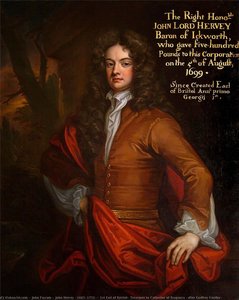
john fayram
1690 - 1744
Quick Facts
- Artistic Movement Or Style: Portraiture
- Artists Or Movements Influenced By This Artist: ['Kneller Academy']
- Artists Who Influenced This Artist: ['Joshua Reynolds']
- Date Of Death: 1744
- Full Name: John Fayram
- Nationality: English
- Notable Artworks: ['The Hervey Family']
- Place Of Birth: East Anglia