 Preview
 Send
Send Share
Share
 Details

 Download
 Similars
 X-Ray
X-Ray Diaporama
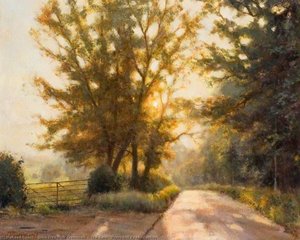
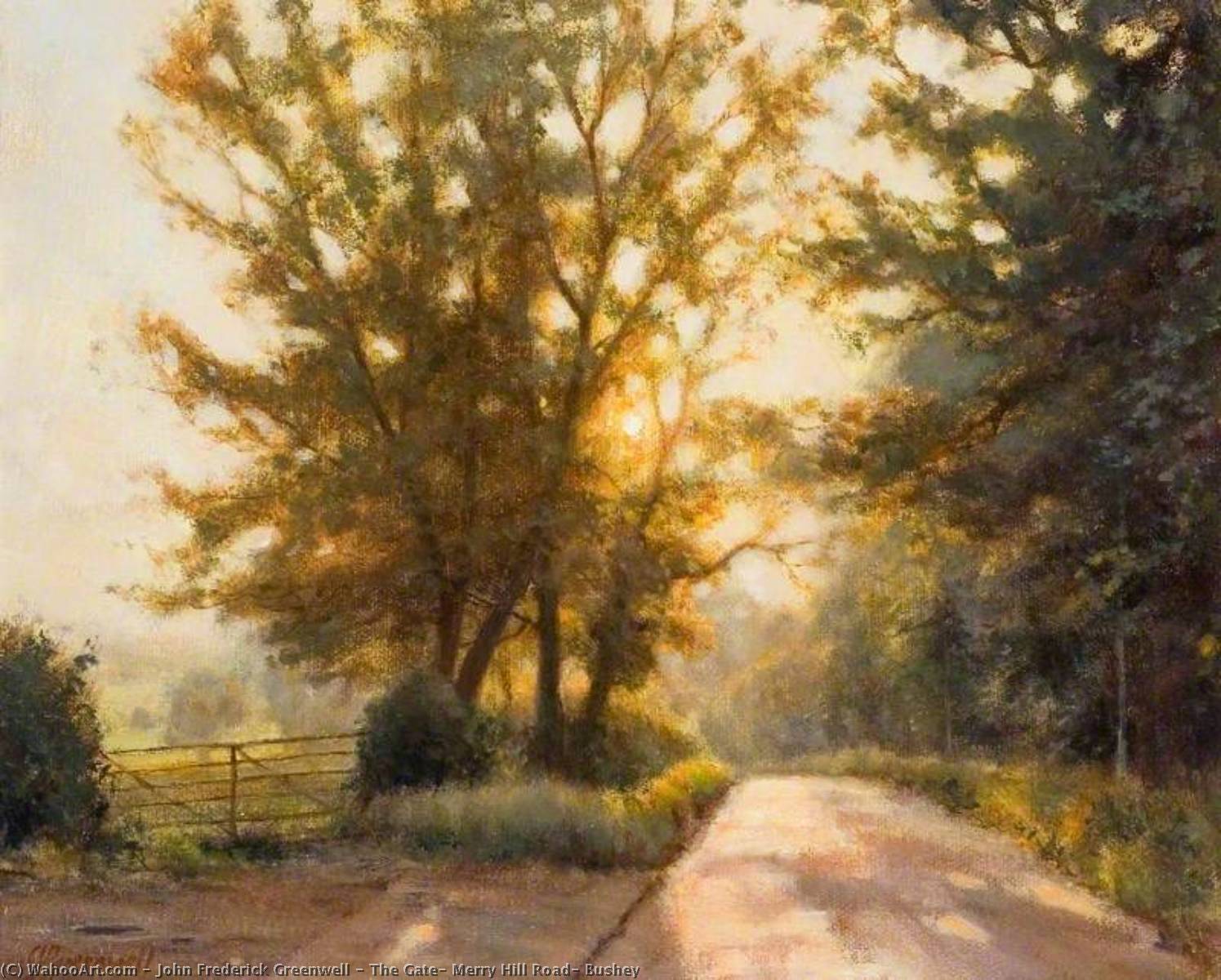
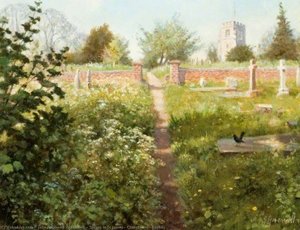
The Gate, Merry Hill Road, Bushey
 25.0 x 31.0 cm
 Read More
Hand Made Oil Reproduction
Hand-painted oil on canvas in your size and frame, made to order by our artists. ( Buy Print Buy Image)




































Pick from our preset sizes that match the artwork's original proportions.

You may enter your own dimensions to fit a specific frame or space. If your selected size does not match the original image's proportions, we will either crop the artwork or extend the painting with additional hand-painted elements. A digital mockup will be sent for your approval before production begins.
Please note that the on-screen preview does not reflect the actual cropping or extension. Only the mockup will accurately show the final composition.
While custom sizes are available, we recommend selecting a dimension from the predefined list to preserve the original proportions.
After order, ArtsDot.com team will email client for instructions and provide a mockup preview
Worldwide Delivery () in 3/4 weeks instead of standard 5 weeks. (21 August). No compromise on quality.

Free Worldwide Express Shipping

High-Quality Linen Canvas

Full Shipping Insurance

Customs Tax Refund Guarantee

True Color Matching Guarantee

60-Day Return Policy (Defects Only)

100% Money-Back Guarantee

Bulk Discount Offer
 Glass option is only available in size under 110 CM

The Gate, Merry Hill Road, Bushey
Reproduction Medium
Reproduction Size
-


Total Price
$ 263
Related Artworks



Artist Biography
The Quiet Observer: John Frederick Greenwell and the Soul of the English Landscape
John Frederick Greenwell (born in Bushey, Hertfordshire, England) wasn’t a painter who sought grand pronouncements or dramatic narratives within his canvases. Instead, he cultivated a deeply personal vision – one that found its power in the subtle poetry of rural life, the gentle undulations of the English countryside, and the quiet dignity of everyday scenes. While not a household name like Turner or Constable, Greenwell’s work represents a vital strand of 19th-century British landscape painting, offering a poignant reflection on a changing world and a steadfast commitment to capturing its beauty before it vanished. His paintings are imbued with a sense of nostalgia, but it's not a sentimental longing; rather, it is an almost scientific observation of light, atmosphere, and the delicate interplay between humanity and nature.Early Life and Artistic Formation
Greenwell’s roots were firmly planted in the artistic community of Bushey, a village that became synonymous with a particular strain of idyllic rural painting. His father, also named John Frederick Greenwell, was an accomplished artist who encouraged his son's early talents. The family home, Merry Hill Farm, wasn’t merely a residence but a hub for artists and a source of inspiration. This environment fostered a deep connection to the land and provided young Greenwell with ample opportunities to study directly from nature. He received formal training at the Slade School of Fine Art in London, where he honed his technical skills and absorbed the prevailing aesthetic currents. However, unlike many of his contemporaries who embraced bolder stylistic innovations, Greenwell remained largely committed to a traditional approach, prioritizing meticulous detail and atmospheric realism. His early works already demonstrate a remarkable sensitivity to light and color, foreshadowing the mature style that would define his career. He was influenced by the Barbizon school painters, particularly their focus on plein air painting and naturalistic representation, but he adapted these influences to suit the unique character of the English landscape.A Dedication to Rural Life: Themes and Techniques
Greenwell’s oeuvre is characterized by a consistent thematic focus – the depiction of rural life in Hertfordshire and along the Essex coast. He painted scenes of farm laborers, grazing animals, coastal marshes, and quiet village lanes with an unwavering dedication. His paintings aren't simply topographical records; they are imbued with a sense of empathy for the people and places he portrayed. He wasn’t interested in romanticizing rural life but rather in capturing its authenticity, its hardships as well as its simple pleasures. Technically, Greenwell was a master of oil painting, employing a refined brushstroke and a subtle palette to create luminous effects. He often worked *en plein air*, directly observing the changing light conditions and meticulously rendering the textures of the landscape. His compositions are typically understated, emphasizing horizontal lines and creating a sense of spaciousness and tranquility. The use of muted colors – greens, browns, grays, and blues – further enhances the paintings’ atmospheric quality. He often used glazing techniques to build up layers of color and create depth and luminosity.Major Achievements and Legacy
While Greenwell didn't achieve widespread fame during his lifetime, his work was consistently exhibited at prestigious venues such as the Royal Academy and the Suffolk Street Gallery. His paintings were admired by collectors for their technical skill and evocative atmosphere.- His series of coastal scenes, depicting the marshes and estuaries of Essex, are particularly noteworthy.
- Paintings like “A Quiet Corner” and “Harvest Time at Merry Hill Farm” exemplify his ability to capture the essence of rural life with remarkable sensitivity.
- The preservation of Merry Hill Farm as an art center is a testament to his enduring influence on subsequent generations of artists.
Quick Facts
- Artistic Movement Or Style: Landscape Painting
- Date Of Death: Living
- Full Name: John Frederick Greenwell
- Nationality: British
- Notable Artworks:
- Merry Hill Farm
- Coastal Landscapes
- Bushey paintings