

 Preview
 Send
Send Share
Share
 Details

 Download
 Similars
 X-Ray
X-Ray Diaporama
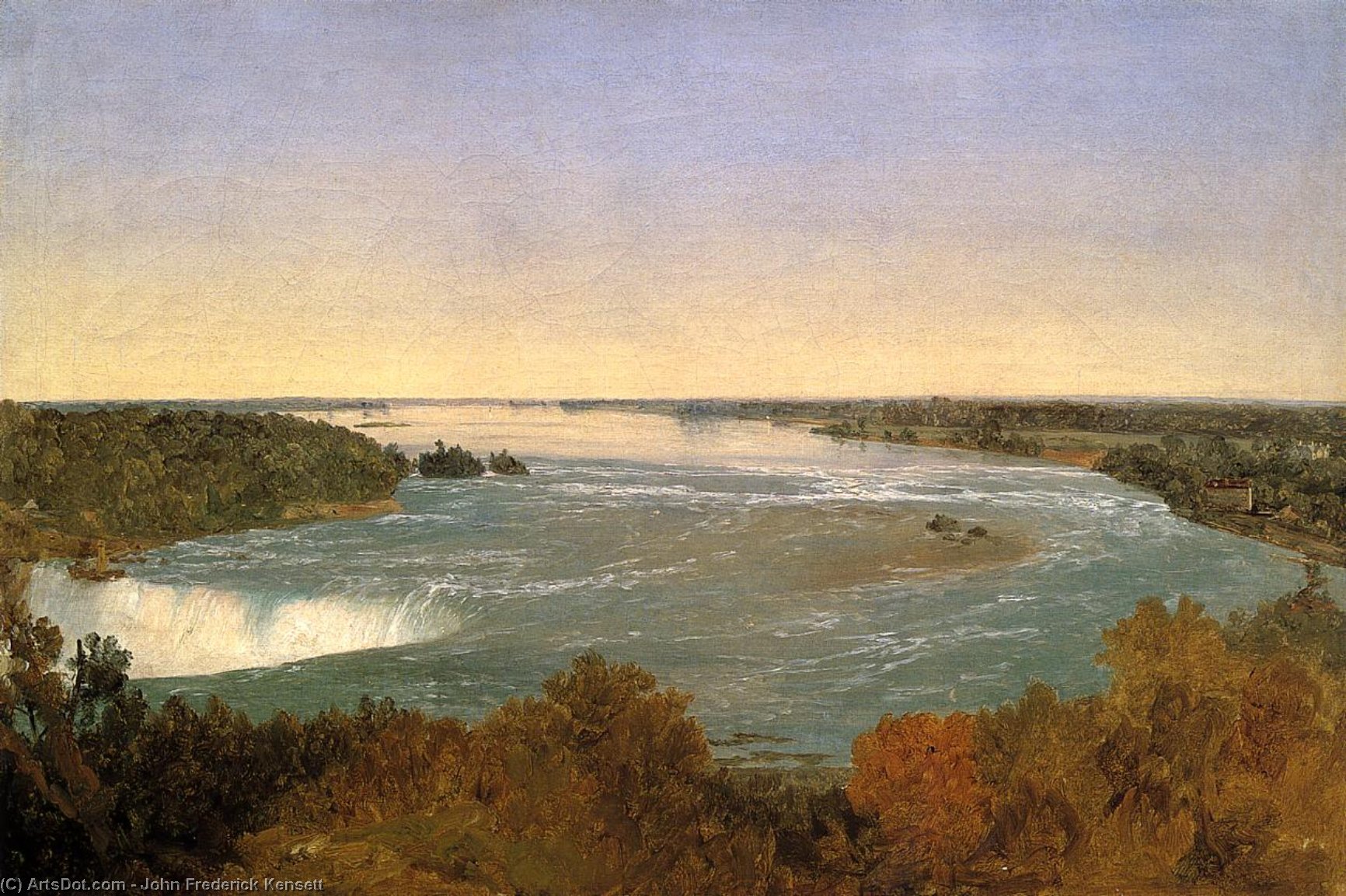
Niagara Falls and the Rapids


 Read More
Purchase a high-resolution, enhanced digital image, far superior to the online preview.
Each file is meticulously prepared by our in-house specialists using advanced tools and expert manual retouching. We ensure every image has exceptional clarity, precise color accuracy, and fine detail.
The final file is delivered via email within 72 hours, optimized for immediate use in professional, editorial, and print environments. This is the same quality trusted by top-tier design studios, publishers, and galleries.
Digital Image
Download a high-resolution file for personal display, printing, and creative projects. ( Buy Print Buy Hand Made Painting)
Included in Every Digital Image Order
Expert Digital Delivery, Guaranteed
When you choose ArtsDot.com, you're not just getting an image - you're receiving a professionally enhanced digital artwork, crafted with precision and backed by a satisfaction guarantee. Here's everything that comes with your order, automatically:

Fast Email Delivery
Your high-resolution digital image file will be emailed to you within 72 hours of ordering - ready for immediate use.

AI-Enhanced Digital File
Your artwork is professionally optimized using advanced AI tools and manual editing, ensuring maximum detail, clarity, and color accuracy.

Free Lifetime Re-Delivery
Accidentally deleted or lost your file? No worries - we'll resend it to you anytime, free of charge.

No Import Fees - Ever
Enjoy your artwork instantly with zero customs, duties, or delivery fees - digital downloads are always tax-free.

Color Accuracy Guarantee
We ensure your digital image reflects the original colors as closely as possible using professional tools and color management.

60-Day Satisfaction Guarantee
If you're not satisfied with your digital image, we'll revise it or refund 100% within 60 days - no questions asked.

100% Money-Back Guarantee
Not satisfied? Get a full refund within 60 days of receiving your digital file - no questions asked.

Bulk Order Discounts
Buy 3 images, save 10% - Buy 5, save 15% - Buy 10+, save 20%. Great for creative projects, galleries, and agencies.
Collectible Description
A Symphony of Water and Light: John Frederick Kensett’s “Niagara Falls and the Rapids”
John Frederick Kensett's "Niagara Falls and the Rapids," painted in 1851, isn’t merely a depiction of a natural wonder; it’s an immersive experience captured on canvas. This iconic work transcends simple landscape painting, offering a profound meditation on nature’s power, tranquility, and the sublime—a core tenet of the Hudson River School movement. Kensett, deeply influenced by the Romantic ideals of his time, sought to elevate the natural world beyond mere representation, aiming instead to evoke an emotional response in the viewer.
The scene unfolds with breathtaking immediacy. The tumultuous rapids, rendered in a vibrant palette of blues, greens, and whites, dominate the foreground. Kensett masterfully employs short, broken brushstrokes—a hallmark of Luminism—to convey the relentless energy of the water as it crashes against the jagged rocks. These dynamic strokes contrast sharply with the softer, diffused light that washes over the distant falls, creating a captivating interplay between movement and stillness. The artist’s choice to emphasize the churning waters rather than the towering cascade itself subtly shifts our focus, inviting us to contemplate the raw, untamed force of nature.
The Luminist Approach: Light, Atmosphere, and Transcendence
Kensett's style firmly places him within the Luminist movement, a subset of the Hudson River School. Luminists, like Frederic Church and Asher B. Durand, sought to capture the fleeting effects of light and atmosphere—the way sunlight filters through clouds, dances on water surfaces, and imbues landscapes with an ethereal quality. Unlike their predecessors who often employed dramatic contrasts of light and shadow, Kensett favored a more subtle approach, prioritizing the delicate nuances of illumination. This technique lends the painting a remarkable sense of realism while simultaneously elevating it to a realm of spiritual contemplation.
The composition is carefully balanced, drawing the eye towards the heart of the scene—the powerful rapids. The strategically placed boats, small and almost insignificant against the vastness of the landscape, serve as anchors for our gaze, grounding us within this dramatic vista. They also subtly hint at human presence amidst the grandeur of nature, acknowledging our place within a world far larger than ourselves.
Historical Context: Romanticism and the American Sublime
"Niagara Falls and the Rapids" was painted during a period of significant social and intellectual change in America. The rise of Romanticism—with its emphasis on emotion, imagination, and the power of nature—was profoundly influencing artists and writers. Simultaneously, the concept of the “American sublime” – a feeling of awe and terror inspired by the immensity and power of nature – was gaining traction. Kensett’s painting perfectly encapsulates these trends, capturing both the beauty and the overwhelming force of Niagara Falls.
Interestingly, this particular depiction of Niagara Falls represents a departure from earlier romanticized portrayals. While previous artists often emphasized the falls' dramatic height and spectacle, Kensett focuses on the dynamic energy of the rapids—a less celebrated but equally compelling aspect of the landscape. This choice reflects a shift in artistic sensibility, prioritizing observation and capturing the subtle nuances of natural phenomena over grand, theatrical displays.
A Legacy of Serenity: Reproductions and Interior Design
Today, “Niagara Falls and the Rapids” remains one of Kensett’s most beloved works. Its serene beauty and evocative atmosphere continue to resonate with viewers across generations. High-quality reproductions offer a remarkable opportunity to bring this timeless masterpiece into your home or office. The painting's calming palette and balanced composition make it an ideal addition to any space, evoking feelings of tranquility and connection to the natural world.
Consider how Kensett’s masterful use of light and color can complement your existing décor. The subtle gradations of blue and green create a soothing backdrop for artwork or photography, while the dynamic brushstrokes add a touch of visual interest. “Niagara Falls and the Rapids” is more than just a painting; it's an invitation to experience the sublime—a reminder of the enduring beauty and power of nature.
Related Artworks
Artist Biography
a life devoted to capturing serene landscapes
john frederick kensett, an american artist and engraver, was born on march 22, 1816, in cheshire, connecticut. as a member of the second generation of the hudson river school of artists, kensett's signature works are characterized by their serene and luminous qualities, celebrating the transcendental aspects of nature.early life and training
kensett attended school at cheshire academy and studied engraving with his father, thomas kensett. he later worked as an engraver in new haven until 1838, then moved to new york city to work on banknote engravings. in 1840, kensett traveled to europe to study painting, refining his talents alongside benjamin champney.established studio and luminist style
after establishing his studio in new york, kensett extensively traveled throughout the northeast and colorado rockies, capturing the essence of these landscapes. his style evolved from traditional hudson river school to a more refined luminist approach, characterized by unselfconscious brushstrokes conveying qualities of atmospheric light.- mount washington from the valley of conway (1851), an iconic painting, was purchased by the american art union and distributed to 13,000 subscribers.
- eaton's neck, long island (1872), a prime example of kensett's luminist style, is now in the collection of the metropolitan museum of art in new york.
legacy and contributions
kensett was a founder of the metropolitan museum of art and a full member of the national academy of design. his work, widely acclaimed during his lifetime, continues to influence landscape painting. key works:- sunset sky (ca. 1870), the metropolitan museum of art, new york
- three mile harbor (ca. 1860), museum of fine arts, tallahassee
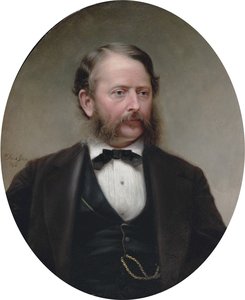
John Frederick Kensett
1816 - 1872 , United States of America
Quick Facts
- Artistic Movement Or Style: Hudson River School & Luminism
- Artists Or Movements Influenced By This Artist: ['Luminism']
- Artists Who Influenced This Artist:
- Thomas Cole
- Benjamin Champney
- Date Of Birth: March 22, 1816
- Date Of Death: December 14, 1872
- Full Name: John Frederick Kensett
- Nationality: American
- Notable Artworks:
- Mount Washington from the Valley of Conway
- Eaton's Neck, Long Island
- Place Of Birth: Cheshire, United States

