

 Preview
 Send
Send Share
Share
 Details

 Download
 Similars
 X-Ray
X-Ray Diaporama
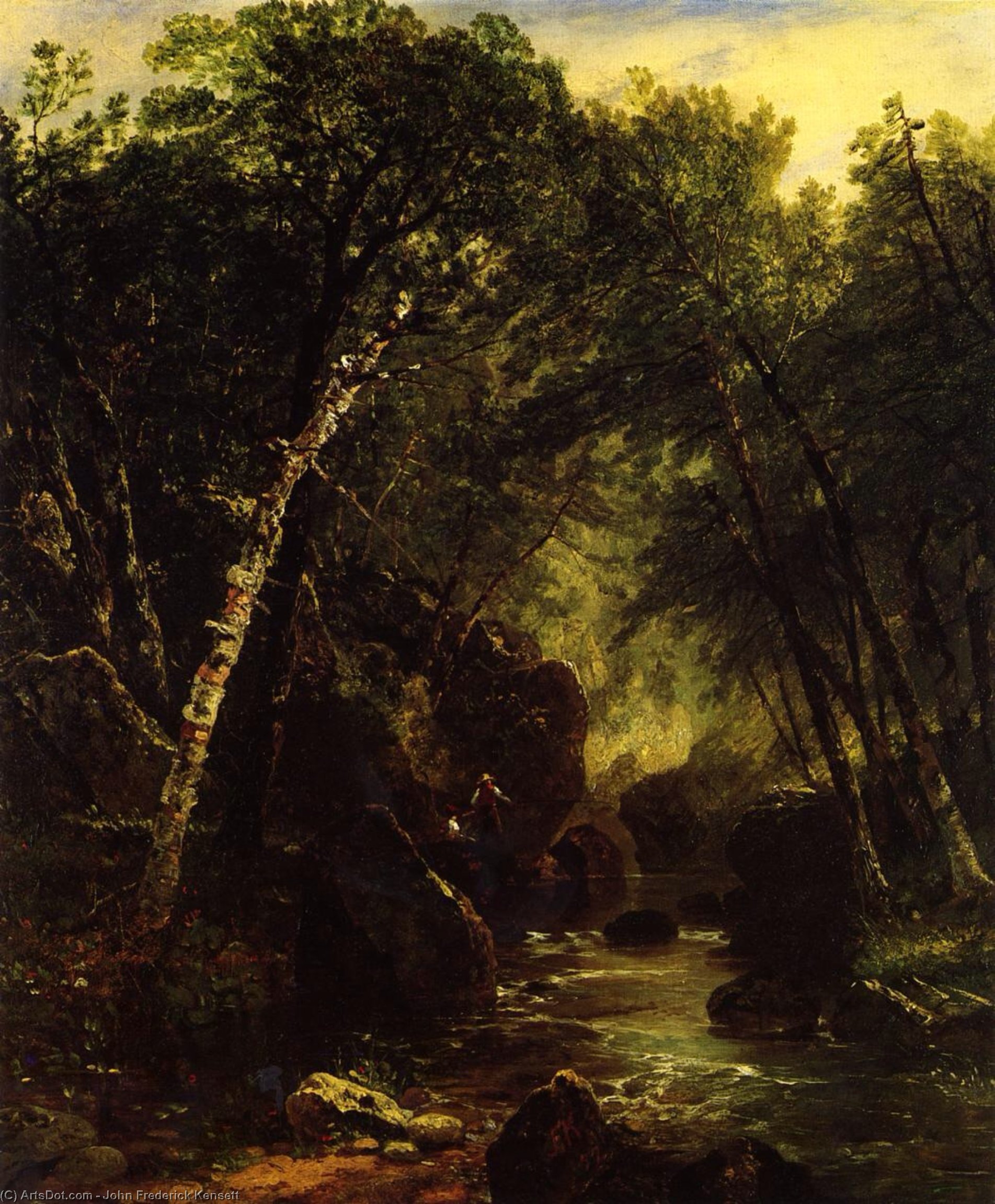
Trout Fisherman


 Read More
Purchase a high-resolution, enhanced digital image, far superior to the online preview.
Each file is meticulously prepared by our in-house specialists using advanced tools and expert manual retouching. We ensure every image has exceptional clarity, precise color accuracy, and fine detail.
The final file is delivered via email within 72 hours, optimized for immediate use in professional, editorial, and print environments. This is the same quality trusted by top-tier design studios, publishers, and galleries.
Digital Image
Download a high-resolution file for personal display, printing, and creative projects. ( Buy Print Buy Hand Made Painting)
Included in Every Digital Image Order
Expert Digital Delivery, Guaranteed
When you choose ArtsDot.com, you're not just getting an image - you're receiving a professionally enhanced digital artwork, crafted with precision and backed by a satisfaction guarantee. Here's everything that comes with your order, automatically:

Fast Email Delivery
Your high-resolution digital image file will be emailed to you within 72 hours of ordering - ready for immediate use.

AI-Enhanced Digital File
Your artwork is professionally optimized using advanced AI tools and manual editing, ensuring maximum detail, clarity, and color accuracy.

Free Lifetime Re-Delivery
Accidentally deleted or lost your file? No worries - we'll resend it to you anytime, free of charge.

No Import Fees - Ever
Enjoy your artwork instantly with zero customs, duties, or delivery fees - digital downloads are always tax-free.

Color Accuracy Guarantee
We ensure your digital image reflects the original colors as closely as possible using professional tools and color management.

60-Day Satisfaction Guarantee
If you're not satisfied with your digital image, we'll revise it or refund 100% within 60 days - no questions asked.

100% Money-Back Guarantee
Not satisfied? Get a full refund within 60 days of receiving your digital file - no questions asked.

Bulk Order Discounts
Buy 3 images, save 10% - Buy 5, save 15% - Buy 10+, save 20%. Great for creative projects, galleries, and agencies.
Collectible Description
John Frederick Kensett: Luminosity, Landscape & The American Identity
John Frederick Kensett (1816 – 1872) stands as a cornerstone of the Hudson River School and Luminism—movements that profoundly shaped American art and its perception of nature. Born in Cheshire, Connecticut, Kensett’s artistic journey began with formal training at Yale College and honed his skills through engraving before establishing himself as a painter in New York City, where he would become a founding member of the Metropolitan Museum of Art. His legacy resides not merely in prolific output but in an unwavering dedication to capturing the sublime beauty of the American wilderness—a pursuit that cemented his place among the most influential landscape painters of his era.A Pioneer of Luminism
Kensett’s artistic style evolved dramatically from the grand, theatrical compositions favored by earlier Hudson River School artists like Thomas Cole and Frederic Church. Instead, he embraced Luminism – a technique championed by George Caleb Bingham and Asher Durand—characterized by an almost obsessive focus on atmospheric light and subtle tonal gradations. Unlike Cole's dramatic depictions of biblical scenes bathed in theatrical illumination, Kensett sought to convey the quiet grandeur of New England forests and rivers with remarkably understated brushstrokes. This deliberate restraint wasn’t a rejection of Romantic ideals; rather, it represented a conscious effort to distill nature’s essence into its purest form—a luminous haze that evoked contemplation and spiritual resonance.“Trout Fisherman”: A Masterpiece of Tranquility
Among Kensett's numerous landscapes, “Trout Fisherman” (1852) remains arguably his most iconic work. Executed in oil on canvas, the painting depicts a solitary fisherman casting his line into a serene river bordered by towering trees—a scene rendered with breathtaking precision and luminous color palettes. The composition is remarkably balanced, drawing the viewer’s eye towards the central figure while simultaneously immersing them in the enveloping atmosphere of the forest. Noticeably, Kensett eschewed dramatic vistas or turbulent weather; instead, he opted for a tranquil tableau that embodies the Luminist ethos—a celebration of quiet observation and an appreciation for the subtle harmonies of the natural world.Historical Context & Transcendental Influences
Kensett’s artistic vision was deeply rooted in the philosophical currents of his time – specifically, Transcendentalism. Figures like Ralph Waldo Emerson and Henry David Thoreau championed the idea that nature possessed inherent spiritual significance, urging individuals to reconnect with its sublime beauty and find solace in its contemplation. Kensett absorbed these transcendental ideals, translating them into visual form through his meticulous rendering of light and color. The painting’s stillness isn't simply aesthetic; it reflects a broader yearning for harmony between humanity and the natural world—a sentiment that resonated powerfully within the American intellectual landscape of the mid-19th century.Symbolism & Emotional Resonance
Beyond its technical brilliance, “Trout Fisherman” carries symbolic weight. The fisherman represents humankind’s quest for connection with the divine—a deliberate allusion to biblical narratives emphasizing humility and reverence before God's creation. The river symbolizes purity and renewal, mirroring the Transcendentalist belief in nature as a conduit for spiritual enlightenment. Furthermore, Kensett’s masterful use of light – particularly the diffused glow filtering through the foliage – evokes feelings of peace, serenity, and contemplative wonder—capturing precisely what Thoreau termed “the beauty that fills us with delight.” It's a painting designed not just to depict a scene but to inspire an emotional response—a reminder of the profound spiritual significance inherent in experiencing the unspoiled majesty of America’s wilderness.Legacy & Enduring Appeal
“Trout Fisherman” continues to captivate audiences today, serving as a testament to Kensett's artistic genius and Luminism’s enduring influence. Its meticulous detail, luminous color palette, and evocative composition exemplify the highest standards of landscape painting—a style that prioritizes observation, contemplation, and an appreciation for nature’s sublime beauty. Reproductions of this masterpiece offer collectors and interior designers alike a chance to experience firsthand the profound emotional resonance captured by Kensett—a timeless portrayal of tranquility and spiritual connection.Related Artworks
Artist Biography
a life devoted to capturing serene landscapes
john frederick kensett, an american artist and engraver, was born on march 22, 1816, in cheshire, connecticut. as a member of the second generation of the hudson river school of artists, kensett's signature works are characterized by their serene and luminous qualities, celebrating the transcendental aspects of nature.early life and training
kensett attended school at cheshire academy and studied engraving with his father, thomas kensett. he later worked as an engraver in new haven until 1838, then moved to new york city to work on banknote engravings. in 1840, kensett traveled to europe to study painting, refining his talents alongside benjamin champney.established studio and luminist style
after establishing his studio in new york, kensett extensively traveled throughout the northeast and colorado rockies, capturing the essence of these landscapes. his style evolved from traditional hudson river school to a more refined luminist approach, characterized by unselfconscious brushstrokes conveying qualities of atmospheric light.- mount washington from the valley of conway (1851), an iconic painting, was purchased by the american art union and distributed to 13,000 subscribers.
- eaton's neck, long island (1872), a prime example of kensett's luminist style, is now in the collection of the metropolitan museum of art in new york.
legacy and contributions
kensett was a founder of the metropolitan museum of art and a full member of the national academy of design. his work, widely acclaimed during his lifetime, continues to influence landscape painting. key works:- sunset sky (ca. 1870), the metropolitan museum of art, new york
- three mile harbor (ca. 1860), museum of fine arts, tallahassee
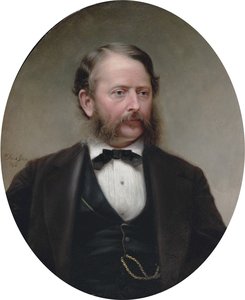
John Frederick Kensett
1816 - 1872 , United States of America
Quick Facts
- Artistic Movement Or Style: Hudson River School & Luminism
- Artists Or Movements Influenced By This Artist: ['Luminism']
- Artists Who Influenced This Artist:
- Thomas Cole
- Benjamin Champney
- Date Of Birth: March 22, 1816
- Date Of Death: December 14, 1872
- Full Name: John Frederick Kensett
- Nationality: American
- Notable Artworks:
- Mount Washington from the Valley of Conway
- Eaton's Neck, Long Island
- Place Of Birth: Cheshire, United States

