 Preview
 Send
Send Share
Share
 Details

 Download
 Similars
 X-Ray
X-Ray Diaporama
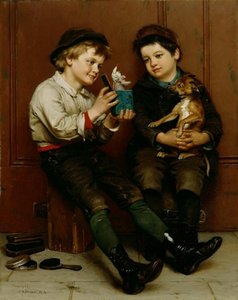
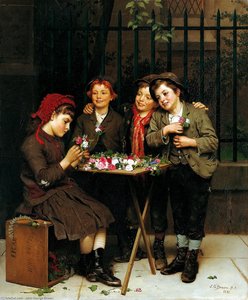
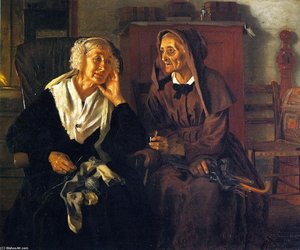
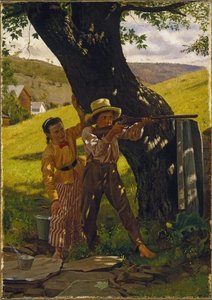
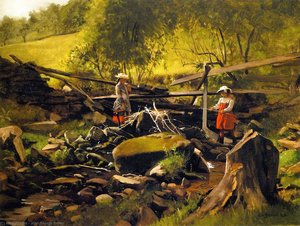
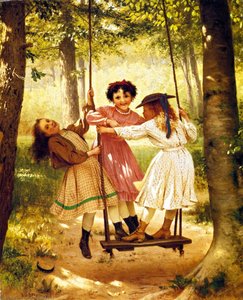
The Three Tomboys


 Read More
Hand Made Oil Reproduction
Hand-painted oil on canvas in your size and frame, made to order by our artists. ( Buy Print Buy Image)




P118B $10

P118H $10

P118W $10

P438Z $10

P508JH $12

P508YH $12

P805H $10

P805Z $10

P919BZ $10

P919G $10

P919XJ $10

P959ZH $10

P968JZ $12

W106C $8

W218G $10

W218JH $8

W218Y $10

W307PJ $10

W316G $10

W316PJ $8

W316Y $10

W398PJ $8

W4111J $10

W500HY $15

W500JH $15

W692G $12

W849H $8

W940BG $15

W953PJ $8




Pick from our preset sizes that match the artwork's original proportions.

You may enter your own dimensions to fit a specific frame or space. If your selected size does not match the original image's proportions, we will either crop the artwork or extend the painting with additional hand-painted elements. A digital mockup will be sent for your approval before production begins.
Please note that the on-screen preview does not reflect the actual cropping or extension. Only the mockup will accurately show the final composition.
While custom sizes are available, we recommend selecting a dimension from the predefined list to preserve the original proportions.
After order, ArtsDot.com team will email client for instructions and provide a mockup preview
Worldwide Delivery () in 3/4 weeks instead of standard 5 weeks. (16 August). No compromise on quality.

Free Worldwide Express Shipping

High-Quality Linen Canvas

Full Shipping Insurance

Customs Tax Refund Guarantee

True Color Matching Guarantee

60-Day Return Policy (Defects Only)

100% Money-Back Guarantee

Bulk Discount Offer
 Glass option is only available in size under 110 CM

The Three Tomboys
Reproduction Medium
Reproduction Size
-


Total Price
$ 263
Artwork Description
The Golden Glow of Childhood Innocence
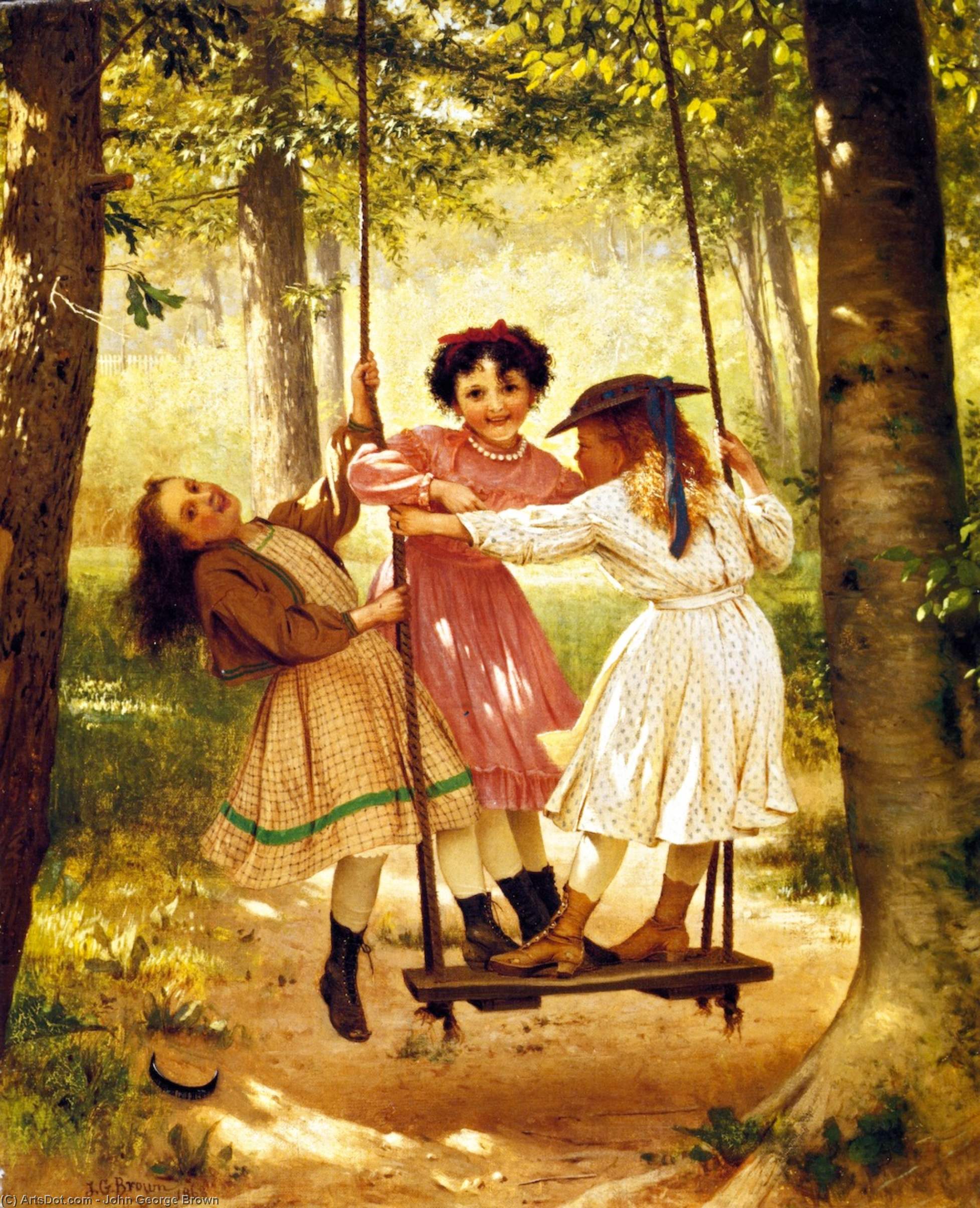
To gaze upon John George Brown's "The Three Tomboys" is to be instantly transported to a sun-dappled afternoon in the heart of nature. This oil on canvas painting, executed in 1868, is far more than a mere depiction of play; it is a luminous meditation on the ephemeral beauty of youth. The scene centers around three young girls suspended in joyful abandon upon a swing set within a verdant wood. One can almost hear the creak of the chains and the bright peals of their laughter echoing through the surrounding foliage. Brown masterfully captures that perfect, fleeting moment when pure joy has no boundaries.
A Masterclass in High Realism
Brown’s adherence to High Realism is evident in every meticulously rendered leaf and every playful gesture. His technique, characterized by gentle yet confident brushstrokes, allows the oil paint to breathe life into the canvas. The attention paid to detail—from the texture of their simple dresses to the varied greens of the surrounding trees—speaks to an artist deeply observant of the everyday world. This realism does not feel cold or academic; rather, it is imbued with a palpable warmth, achieved through his expert use of warm color palettes that bathe the entire composition in a comforting, nostalgic glow.
Symbolism and the Passage of Time
The very subject matter—childhood play—carries profound symbolic weight. The three tomboys represent an idealized vision of innocence, a state untainted by adult complexity. The swing itself acts as a subtle metaphor for life's cyclical nature; moments of soaring height followed by gentle descent. Brown invites the viewer to pause and reflect on the passage of time, finding solace in this captured moment of unburdened delight. It is an emotional anchor, a visual reminder to cherish the simple pleasures.
Bringing the Woods Home: For the Modern Collector
For those who wish to incorporate such a piece of enduring sentiment into their own living spaces, acquiring a high-quality reproduction of "The Three Tomboys" offers a tangible connection to 19th-century American artistry. The ability of oil on canvas to retain depth and richness means that even a reproduction carries the weight of Brown's original vision. Whether adorning a formal drawing-room or lending a touch of pastoral grace to a sunlit nook, this artwork promises not just decoration, but a continuous source of gentle inspiration and warmth for any admirer of genre painting.
Related Artworks


Artist Biography
A Life Etched in Childhood: The World of John George Brown
John George Brown, a name perhaps less immediately recognizable than some of his contemporaries, nevertheless occupies a significant and deeply affecting niche within the landscape of 19th-century American art. Born in Durham, England, in 1831, his journey was one of determined self-improvement and astute observation, culminating in a career that captured the poignant realities – and often idealized sentiments – surrounding childhood during a period of rapid social change. Brown’s story isn't simply about artistic talent; it’s about an immigrant’s ambition, a keen eye for detail, and a shrewd understanding of the burgeoning American art market. His early life was marked by necessity rather than privilege. Apprenticed to a glass factory at just fourteen years old, he labored to support his family, yet even amidst the demanding work, a passion for drawing persisted. This dedication led him to evening classes at the School of Design in Newcastle, and later, further study at the Trustees Academy in Edinburgh – formative experiences that laid the groundwork for his future artistic endeavors. In 1853, Brown bravely crossed the Atlantic, settling in Brooklyn, New York, a city poised to become both his home and his muse. He continued his education at the Graham Art School and the National Academy of Design, honing his skills under the guidance of instructors like Thomas Seir Cummings, preparing himself for a life dedicated to capturing the essence of American experience.From Portraiture to the Streets: Finding His Voice
Initially establishing himself as a portrait painter, Brown quickly discovered that his true calling lay elsewhere – in the vibrant, often overlooked world of everyday life. He began to focus on genre scenes, and it was through his depictions of street children that he truly found his voice. The 1860s witnessed the rise of Brown’s “street urchin” paintings, images that resonated deeply with a public fascinated by – and perhaps simultaneously troubled by – the realities of urban poverty. These weren't merely sentimental portrayals; they were carefully observed studies of character, capturing the resilience, resourcefulness, and quiet dignity of children navigating difficult circumstances. Bootblacks diligently polishing shoes, newsboys hawking papers on bustling street corners, flower sellers offering their wares – these scenes became Brown’s signature, imbued with a remarkable level of detail and empathy. His work wasn't born in isolation; it was influenced by the Barbizon school, particularly its emphasis on realism and depictions of everyday life, as well as the dramatic use of light and color championed by artists like J.M.W. Turner. However, Brown synthesized these influences into a uniquely American style, one that spoke to the specific social conditions and cultural anxieties of his adopted homeland.A Master of Sentiment and Commerce
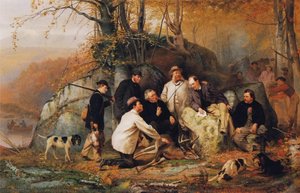
Brown was not only an artist but also a remarkably astute businessman. Recognizing the appeal of his work, he strategically copyrighted many of his most popular paintings, allowing for widespread reproduction as chromolithographs and photographic prints. This savvy move dramatically increased his fame and financial success, making him one of the wealthiest genre painters in the United States during his lifetime. However, this commercial success didn’t diminish the artistic merit of his work. Paintings like “The Net Mender” and “The First Point” exemplify his ability to capture moments of quiet beauty and emotional depth. "Claiming the Shot - A Group of Portraits after the Hunt in the Adirondacks" demonstrates a broader range, showcasing his skill in depicting group scenes with remarkable realism. His paintings offered more than just aesthetic pleasure; they provided valuable insights into 19th-century American society, particularly the lives of working children and the changing urban landscape. Often imbued with subtle moral undertones, Brown’s work reflected his belief in the importance of hard work, honesty, and resilience – values that resonated deeply with Victorian audiences.Shifting Focus: From Youth to Age
As Brown matured as an artist, so too did his subject matter evolve. In his later years, he shifted his focus from depicting the energy and vitality of childhood to portraying the quiet dignity and solitude of old age. These paintings often featured elderly individuals in rural settings, evoking a sense of nostalgia for a simpler past. While this shift might seem dramatic, it was a natural progression for an artist deeply concerned with capturing the human condition in all its complexity. He continued to be an active member of various art institutions, serving as vice-president of the National Academy of Design from 1899 to 1904, demonstrating his ongoing commitment to the artistic community. His later works, though different in subject matter, retained the meticulous attention to detail and emotional sensitivity that characterized his earlier paintings.A Lasting Legacy: Echoes of Childhood
John George Brown passed away in New York City in 1913, leaving behind a substantial body of work that continues to captivate and move audiences today. His paintings are held in prestigious collections around the world, including the National Gallery in London and the Detroit Institute of Arts, testament to his enduring artistic significance. He is remembered not only for his technical skill but also for his ability to capture the essence of a particular time and place – Victorian America – with honesty, empathy, and a touch of romanticism. His work serves as a poignant reminder of the challenges faced by children in the 19th century, while simultaneously celebrating their resilience and spirit. Brown’s legacy extends beyond his paintings; he represents a fascinating intersection of artistic talent, entrepreneurial acumen, and social commentary – a true chronicler of American life. His ability to transform everyday scenes into enduring works of art ensures that his vision will continue to resonate with generations to come.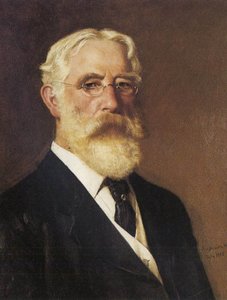
John George Brown
1831 - 1913 , United Kingdom
Quick Facts
- Artistic Movement Or Style: Genre painting, Realism
- Artists Who Influenced This Artist:
- Barbizon school
- William Turner
- Date Of Birth: November 11, 1831
- Date Of Death: February 8, 1913
- Full Name: John George Brown
- Nationality: British-American
- Notable Artworks:
- The Net Mender
- The First Point
- Claiming the Shot
- Place Of Birth: Durham, UK
Related Articles

Georges Braque's Masterpieces: 25 Paintings That Defined Cubism & Modern Art | ArtsDot
Explore 25 iconic Georges Braque paintings that revolutionized Cubism & modern art. Discover the stories behind his masterpieces, from Fauvism to Analytical Cubism. Find museum-quality reproductions & elevate your home decor with ArtsDot.com.

Georges Seurat's Masterpieces: 25 Paintings That Defined Pointillism | ArtsDot
Explore 25 iconic Georges Seurat paintings & discover the brilliance of Pointillism. From 'La Grande Jatte' to his harbor scenes, delve into art history with ArtsDot.com. Find museum-quality reproductions for your home decor. Explore the full collection online!

John Singer Sargent's 25 Masterpieces: Portraits & Beyond | ArtsDot
Explore 25 iconic John Singer Sargent paintings – from dazzling portraits to Impressionist landscapes. Discover the stories behind Madame X, El Jaleo & more! Find museum-quality art reproductions and elevate your home decor with ArtsDot.com.
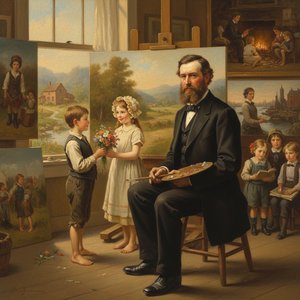
John George Brown: Capturing American Life & Sentiment in 19th-Century Genre Painting
Explore the captivating genre paintings of John George Brown, celebrated for his realistic depictions of 19th-century American life. Discover his legacy & find museum-quality reproductions at ArtsDot.

John Constable's Masterpieces: Explore 25 Iconic Landscapes for Your Home
Journey through John Constable's 25 most celebrated landscapes. Explore Romanticism, Dedham Vale & his masterful use of light in iconic paintings like 'Hay Wain'. Find museum-quality art reproductions and elevate your home decor on ArtsDot.com.