 Preview
 Send
Send Share
Share
 Details

 Download
 Similars
 X-Ray
X-Ray Diaporama
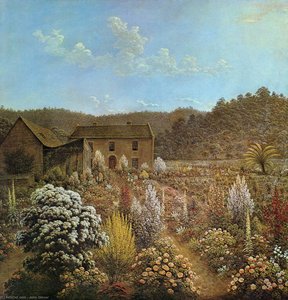
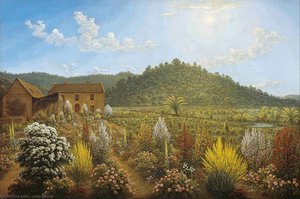
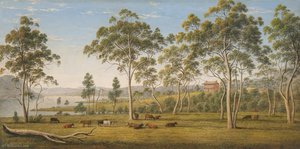
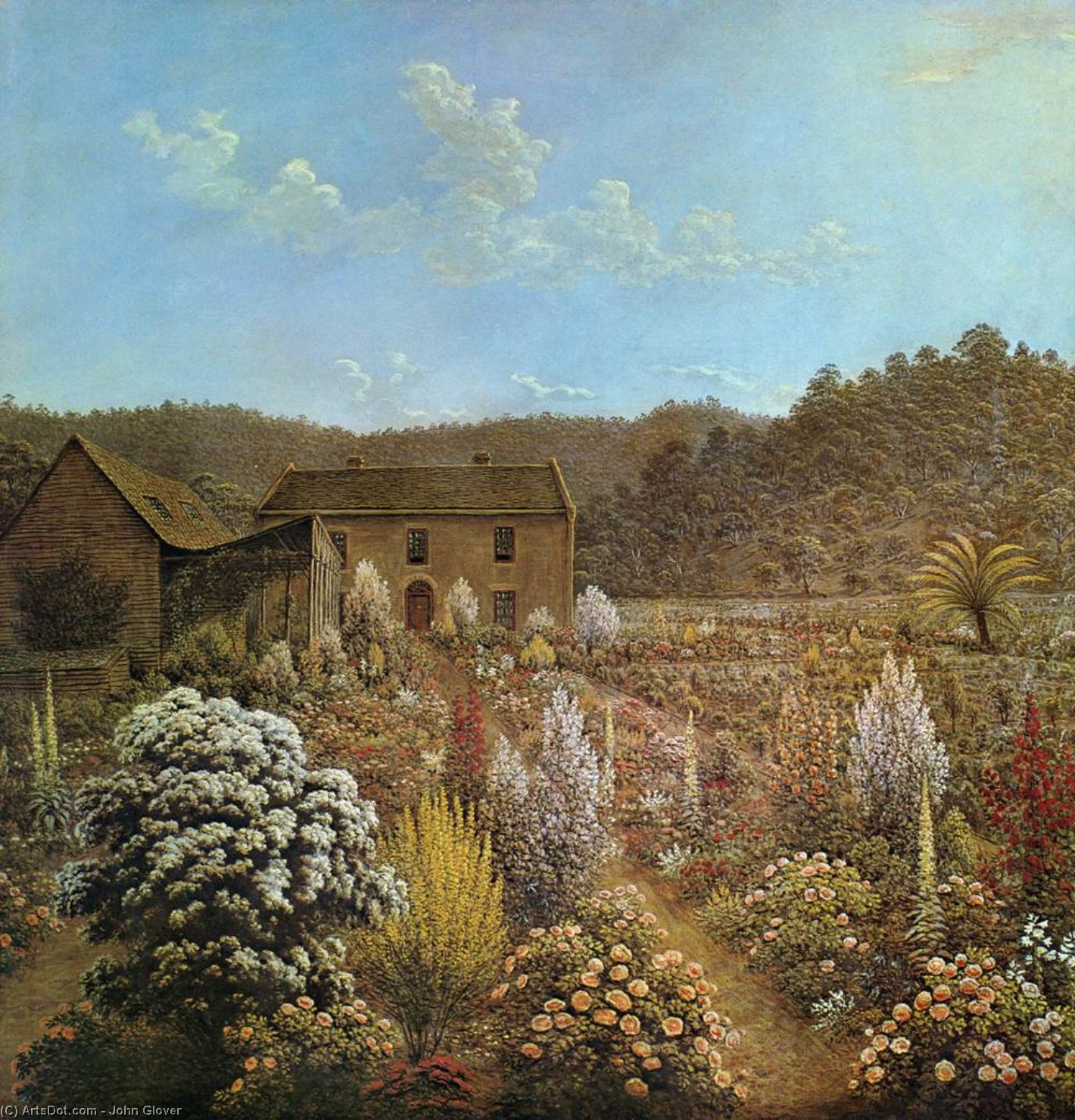
The Artist's House and Garden


 Read More
Hand Made Oil Reproduction
Hand-painted oil on canvas in your size and frame, made to order by our artists. ( Buy Print Buy Image)




P118B $10

P118H $10

P118W $10

P438Z $10

P508JH $12

P508YH $12

P805H $10

P805Z $10

P919BZ $10

P919G $10

P919XJ $10

P959ZH $10

P968JZ $12

W106C $8

W218G $10

W218JH $8

W218Y $10

W307PJ $10

W316G $10

W316PJ $8

W316Y $10

W398PJ $8

W4111J $10

W500HY $15

W500JH $15

W692G $12

W849H $8

W940BG $15

W953PJ $8




Pick from our preset sizes that match the artwork's original proportions.

You may enter your own dimensions to fit a specific frame or space. If your selected size does not match the original image's proportions, we will either crop the artwork or extend the painting with additional hand-painted elements. A digital mockup will be sent for your approval before production begins.
Please note that the on-screen preview does not reflect the actual cropping or extension. Only the mockup will accurately show the final composition.
While custom sizes are available, we recommend selecting a dimension from the predefined list to preserve the original proportions.
After order, ArtsDot.com team will email client for instructions and provide a mockup preview
Worldwide Delivery () in 3/4 weeks instead of standard 5 weeks. (21 August). No compromise on quality.

Free Worldwide Express Shipping

High-Quality Linen Canvas

Full Shipping Insurance

Customs Tax Refund Guarantee

True Color Matching Guarantee

60-Day Return Policy (Defects Only)

100% Money-Back Guarantee

Bulk Discount Offer
 Glass option is only available in size under 110 CM

The Artist's House and Garden
Reproduction Medium
Reproduction Size
-


Total Price
$ 263
Artwork Description
John Glover: Capturing Tranquility in Rural England
John Glover (1767 – 1849), born in Leicestershire, England, possessed an innate artistic sensibility that blossomed early in life. From humble beginnings as the youngest son of a farming family at Houghton-on-the-Hill, young John demonstrated a remarkable talent for both drawing and calligraphy. This skill led to his appointment as a writing master at the Free School in Appleby, providing him with a stable foundation while nurturing his burgeoning artistic inclinations. During this period, Glover began to explore painting in oil and watercolour, receiving instruction from notable artists like William Payne and potentially John Warwick Smith – formative influences that instilled within him a deep appreciation for picturesque views and a dedication to capturing the beauty of the natural world through sketching tours. These expeditions would define his artistic journey for decades to come.- Early Life & Artistic Foundations: Glover’s upbringing fostered a passion for observation and representation, shaping his approach to art from its inception.
- Instruction & Influences: His training under skilled painters like Payne instilled technical proficiency and broadened his artistic horizons.
- Sketching Tours: Glover's commitment to capturing landscapes directly from nature became a cornerstone of his oeuvre, reflecting the Romantic movement’s fascination with sublime beauty.
A View of the Artist’s House and Garden – Mills Plains
Glover’s masterpiece, “A View of the Artist’s House and Garden,” painted in 1835, exemplifies his signature style: a meticulously rendered depiction of rural England bathed in the soft glow of late afternoon sunlight. Located near Launceston, Tasmania, this landscape showcases Glover's farmhouse nestled amidst a flourishing garden—a testament to his ambition to transform his new environment into an idealized retreat. The painting’s composition is deliberately balanced, emphasizing the harmonious relationship between architecture and nature.
- Composition & Light: Glover skillfully employs atmospheric perspective – layering colours and tones to convey depth and realism – capturing the diffused light characteristic of Tasmanian summers.
- Architectural Detail: The house itself—constructed from stone—is rendered with careful attention to texture, highlighting Glover’s dedication to accurate representation.
- Floral Arrangement: Rows of irises dominate the garden foreground, arranged diagonally across the canvas, creating a dynamic visual rhythm and demonstrating Glover's penchant for capturing fleeting moments of beauty.
Symbolism & Romantic Ideals
“A View of the Artist’s House and Garden” transcends mere topographical accuracy; it embodies the core tenets of Romantic art – an emotional response to nature imbued with spiritual significance. Glover's deliberate choice of colour palette—dominated by greens, earthy browns, and muted blues—evokes feelings of peace, tranquility, and nostalgia for simpler times. The garden itself symbolizes Edenic perfection, representing Glover’s desire to create a harmonious sanctuary reflecting his idealized vision of rural life.
- Colour Palette: Glover's use of colour contributes to the painting’s mood, conveying serenity and evoking memories of pastoral landscapes.
- Garden as Symbol: The garden represents Glover’s aspiration for an idyllic existence—a refuge from urban pressures and a celebration of natural beauty.
- Romantic Aesthetic: The painting embodies Romantic ideals – prioritizing emotion over reason and valuing the sublime grandeur of nature.
Technique & Artistic Legacy Glover’s brushwork is loose yet controlled, conveying movement and vibrancy without sacrificing precision. He achieved this effect through layering thin glazes of colour—a technique perfected during his formative years—resulting in luminous surfaces that capture the subtle nuances of light and shadow. Glover's influence extended beyond Tasmania; he became known as “the English Claude,” mirroring the stylistic impact of Jean-Baptiste Isabey on French Romantic painters. His legacy continues to inspire artists today, demonstrating the enduring power of observation and artistic expression to convey profound emotional resonance.
Related Artworks
Artist Biography
Early Life and Artistic Foundations
John Glover, born February 18, 1767, in the tranquil Leicestershire countryside of England, possessed an innate artistic sensibility that blossomed early in life. From humble beginnings as the youngest son of a farming family at Houghton-on-the-Hill, young John demonstrated a remarkable talent for both drawing and calligraphy. This skill led to his appointment as a writing master at the Free School in Appleby, a position that provided him with a stable foundation while nurturing his burgeoning artistic inclinations. It was during this period that Glover began to explore painting in both oil and watercolour, receiving instruction from notable artists of the time such as William Payne and potentially John 'Warwick' Smith. These early lessons instilled within him a deep appreciation for picturesque views and a dedication to capturing the beauty of the natural world through sketching tours – a practice that would define his artistic journey for decades to come. He quickly developed an eye for composition, light, and atmosphere, skills he honed while meticulously documenting the landscapes around him.A Rising Star in the British Art World
Glover’s dedication and talent did not go unnoticed. In 1805, he became a member of the prestigious Old Water Colour Society, quickly ascending to the position of president in 1807. This marked a significant turning point in his career, solidifying his reputation within the British art establishment. He exhibited extensively at both the Royal Academy and the Society of British Artists, showcasing his evolving style and captivating audiences with his romantic landscapes. Glover became particularly known for what were termed “Italianate” scenes – not literal depictions of Italy, but rather idealized visions of Britain and Southern Europe infused with a distinctly classical sensibility. His work drew heavily from the influence of Claude Lorrain, earning him the affectionate moniker "the English Claude." This comparison was apt; like his admired predecessor, Glover masterfully employed luminous skies, harmonious compositions, and an overall sense of idyllic beauty in his paintings. By 1820, he had established his own gallery in London, a testament to his growing success and artistic independence.A New World, A Transformed Vision
In 1831, at the age of sixty-four, John Glover made a bold decision that would irrevocably alter both his life and his art: he emigrated with his family to Van Diemen’s Land (now Tasmania), Australia. This was not merely a relocation; it was a leap into the unknown, driven by a desire for new opportunities and a fascination with the untamed beauty of the Antipodes. Upon arrival, Glover acquired a substantial land grant at Mills Plains, which he christened Patterdale after a cherished location in the Lake District – a poignant reminder of his English roots. However, Australia was unlike anything he had ever encountered. The landscape demanded a new approach, and Glover responded with remarkable adaptability. He gradually moved away from the idealized romanticism of his earlier work, embracing a more naturalistic and atmospheric style that reflected the unique qualities of the Tasmanian environment. His palette underwent a transformation, incorporating olive greens, ochres, misty greys, and intense blues to capture the distinctive light and atmosphere of the Australian bush, particularly the majestic eucalyptus trees.Legacy as the “Father of Australian Landscape Painting”
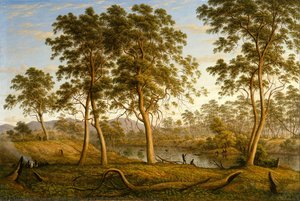
Glover’s pioneering depictions of the Australian landscape cemented his place in art history. Notable works such as "Launceston and the River Tamar," "At Matlock - mist rising," and perhaps most significantly, "Natives on the Ouse River, Van Diemen’s Land" stand as testaments to his artistic vision and historical importance. “Natives on the Ouse River” is particularly noteworthy for its reflection of European perceptions of an idyllic Antipodean landscape, a complex portrayal that invites critical examination. He is rightfully considered the "father of Australian landscape painting," not simply because he was among the first to depict the continent’s natural beauty, but because he established a new approach – one that moved beyond colonial art styles and embraced the unique character of the land. His influence extended far beyond his lifetime; The John Glover Society was founded to honor his legacy, commissioning a statue in his likeness and awarding an annual prize for Tasmanian landscape paintings. Today, Glover’s paintings are held in major art galleries throughout Australia and internationally, continuing to inspire artists and captivate audiences with their beauty, technical skill, and enduring historical significance. He remains a pivotal figure in the development of Australian art, a testament to the power of artistic vision and the transformative potential of embracing a new world.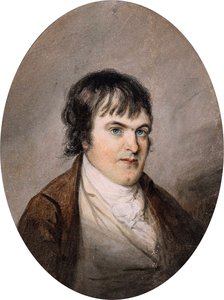
John Glover
1767 - 1849 , United Kingdom
Quick Facts
- Artistic Movement Or Style: Romanticism, Landscape
- Artists Or Movements Influenced By This Artist: ['Australian Landscape Painting']
- Artists Who Influenced This Artist:
- Claude Lorrain
- William Payne
- John 'Warwick' Smith
- Date Of Birth: Feb 18, 1767
- Date Of Death: Dec 9, 1849
- Full Name: John Glover
- Nationality: British-Australian
- Notable Artworks:
- Launceston & River Tamar
- At Matlock - mist rising
- Natives on the Ouse River
- Place Of Birth: Leicester, UK
Related Articles
Monet's Masterpieces: 25 Iconic Artworks to Transform Your Home
Journey through 25 iconic Claude Monet masterpieces! Explore Impressionism’s beauty, from Water Lilies to Rouen Cathedral. Discover stunning art reproductions & curated decor ideas – explore the full collection online at ArtsDot.com.
Impressionistic Landscapes: 10 Masterpieces That Changed Art & Decor
Journey into the heart of Impressionism! Explore 10 masterpieces by Monet, Renoir & Degas that revolutionized landscape art. Discover their stories, techniques & find museum-quality reproductions to elevate your home decor on ArtsDot.com.

Impressionist Landscapes: 10 Masterpieces for Your Home | ArtsDot
Journey through 10 iconic Impressionist landscapes by Monet, Renoir & Degas. Explore the history, techniques & emotions behind these masterpieces. Find museum-quality reproductions for your home at ArtsDot.com – where art comes to life! Discover all masterpieces on ArtsDot.com

Beyond the Horizon: 10 Landscape Masterpieces for Your Home Decor
Journey through 10 breathtaking landscape paintings by Monet, Van Gogh & more! Explore iconic artworks, artistic techniques & find inspiration for your home decor. Museum-quality reproductions at ArtsDot.com. Discover all masterpieces on ArtsDot.com
Musée d'Orsay Masterpieces: 25 Iconic Paintings & Art Decor Ideas
Journey through the Musée d'Orsay’s 25 most iconic artworks! Explore Impressionist & Post-Impressionist masterpieces by Monet, Van Gogh, Degas & more. Find museum-quality art reproductions and curated decor ideas to bring timeless beauty home. Discover all masterpieces on ArtsDot.com